


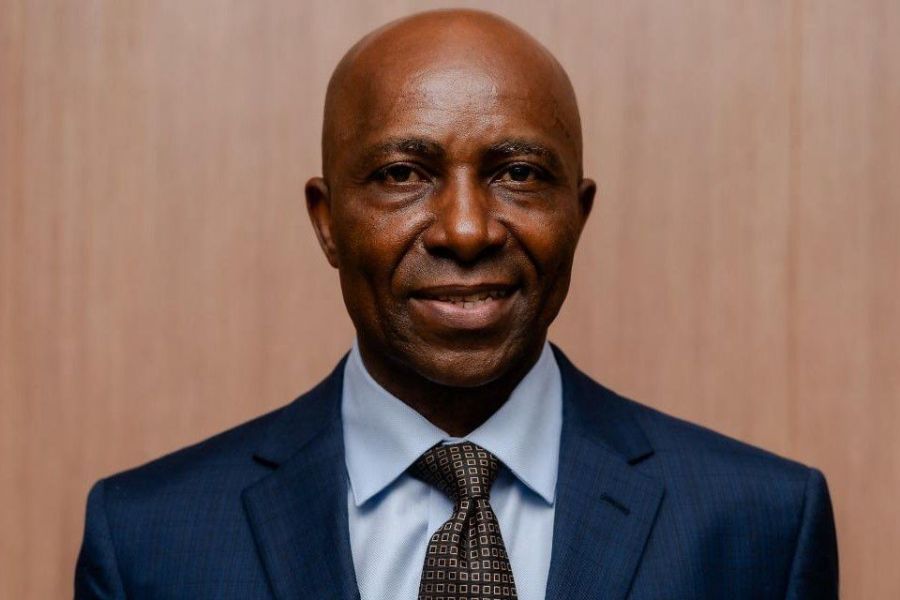
Nigeria’s First Tax Ombud Encourages Taxpayers to Seek Relief
Dr. John Nwabueze, Nigeria’s inaugural Tax Ombud and Chief Executive of the Tax Ombud Bureau, is urging Nigerians and businesses facing unjust tax assessments, instances of multiple taxation, or disputes with the Department of Revenue to make use of the newly constituted Bureau for redress.
During a breakfast meeting with financial correspondents and media leaders in Abuja, Nwabueze highlighted that the bureau was established to serve as a refuge for taxpayers lacking an independent avenue to contest unfair treatment by tax and revenue authorities.
“The Tax Ombud Office is the first port of call for aggrieved taxpayers,” he stated, emphasizing its role as an impartial entity designed to resolve disputes between taxpayers and revenue authorities through methods such as conciliation and alternative dispute resolution.
Taxpayers dissatisfied with their tax assessments or actions taken by the Revenue Department can now approach the Tax Ombud Office before resorting to legal measures. In illustrative scenarios, if a tax valuation is set at N200 million and a taxpayer believes it should be closer to N100 million, the office will assess the case and engage in discussions with the authorities to seek a resolution.
While Nwabueze clarified that the office does not replace the Tax Appeals Tribunal, it serves as an essential first step in the dispute-resolution process. If either party is unhappy with the mediation outcome, they still have the option to escalate the matter to the tribunal.
He also noted the Tax Ombud’s broader scope compared to similar entities abroad, as it encompasses complaints related to various agencies, including the Nigeria Revenue Authority, the Nigeria Customs Service, and the Nigeria Ports Authority. The agency has already started receiving complaints, including lawsuits from the Niger State Internal Revenue Service and the Nigerian Maritime Administration and Safety Agency (NIMASA).
Nwabueze confirmed that the Secretariat will provide regular updates on its operations and plans to engage with the media on a quarterly basis. The establishment of the office under Nigeria’s new tax administration framework aims to enhance transparency, accountability, and taxpayer confidence in the tax system.
Committed to protecting taxpayer rights and ensuring compliance with lawful tax obligations, Nwabueze remarked, “This office will serve as an independent mechanism to address complaints, resolve disputes fairly, and foster trust between tax authorities and the public.” He acknowledged that many citizens have experienced unfair treatment from revenue authorities in the past and have often felt lost regarding where to seek help.
In addressing issues related to importers whose goods may be entangled in customs disputes, Nwabueze asserts that the agency will work to alleviate situations where businesses incur unnecessary losses due to unresolved claims. While he acknowledged instances of tax evasion and underreporting among some taxpayers, he assured that the bureau will not disproportionately side with one party.
On the subject of multiple taxation, he noted that the bureau is collaborating with the Joint Board of Revenue and State Revenue Departments to tackle complaints regarding tax duplication across various government levels. He pointed out that resolving these issues will be a gradual process due to the numerous agencies involved and mentioned ongoing efforts to reconcile tax matters to provide relief to taxpayers.
Describing Nigeria as the eighth country to establish a Tax Ombud Office, Nwabueze considered this a significant milestone in fostering fairness within the tax system. He stressed that public trust in the tax framework is crucial for enhancing voluntary compliance and boosting government revenue.
To facilitate accessibility, the Tax Ombud Office has launched a dedicated website, a call center, and a case management portal, allowing individuals and businesses to submit complaints online or via telephone. This initiative is designed to ensure that even taxpayers in rural areas can easily engage with the office, with additional options available for those with limited call time. Initially headquartered in Abuja, the bureau plans to extend its reach to six geopolitical zones and, eventually, all 36 states and local government areas.
Despite this extensive groundwork, Nwabueze acknowledged that public awareness of the agency remains low, and he appealed to journalists to play a role in educating taxpayers about using the office for grievance resolution. He welcomed criticism and feedback from the public, affirming that early actions taken by the bureau will shape the future landscape of tax dispute resolution in Nigeria.
Recent reports indicated that the Federal Government had announced that Nigerian taxpayers could resolve tax-related disputes without incurring any costs, further emphasizing the bureau’s aim of enhancing fairness, transparency, and accountability in tax administration. This was confirmed by Finance Minister Taiwo Oyedele during the launch of the Tax Ombud’s online platform and toll-free call center.
