


Nigeria Advances Cryptocurrency Regulation Bill in Senate
A new bill aimed at regulating cryptocurrencies and enhancing investor protection has successfully passed its second reading in the Nigerian Senate. The legislative move seeks to fortify the nation’s digital economy amid rising adoption of virtual assets.
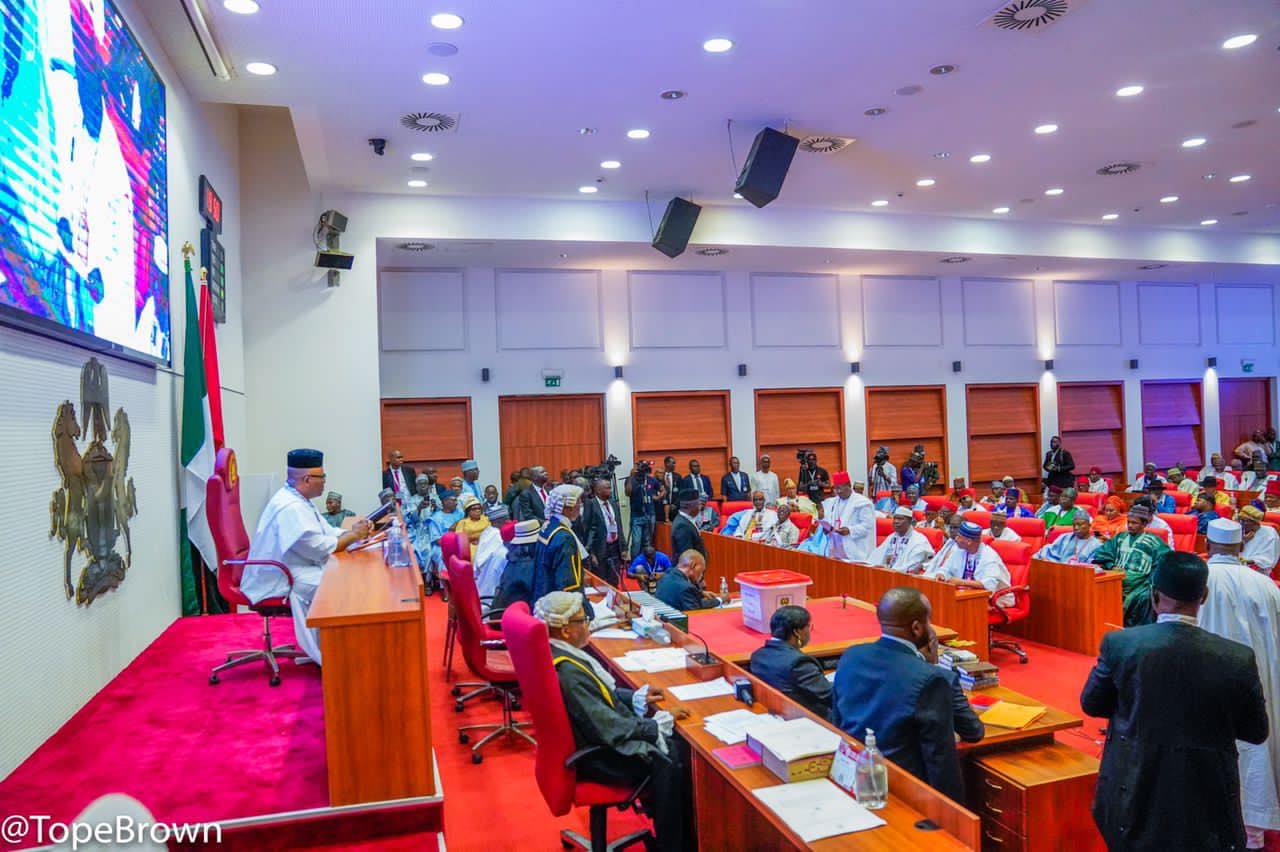
Senate Vice President Barau Jibrin presided over the session, which saw a majority of senators support the bill through a voice vote during Tuesday’s plenary. Following its passage, the bill has been referred to the Senate Capital Markets Committee, which has been tasked with conducting further legislative review and public hearings within the next four weeks.
Framework for Digital Assets and Exchanges
Presented by Jibrin and championed on the Senate floor by Senate Majority Leader Tahir Monguno, the bill aims to establish a robust regulatory framework for virtual assets, including compliance and licensing requirements for virtual asset service providers (VASPs) and cryptocurrency exchanges operating within Nigeria.
While leading the discussion, Monguno highlighted Nigeria’s comparative lag in regulating its digital financial ecosystem, despite the country boasting the highest cryptocurrency adoption rate in Africa. He emphasized that the existing absence of a comprehensive legal framework increases risk for investors and creates opportunities for illicit activities in the sector.
“This bill addresses the realities of our time, where technology is transforming the financial landscape and redefining how individuals earn, trade, save, and invest,” Monguno noted. He pointed out that millions of young Nigerians are already engaging in the digital economy, trading, and leveraging blockchain technology. This trend positions Nigeria among the leading users of virtual assets globally.
Addressing Risks in the Digital Currency Sphere
Recent trends indicate that many Nigerians are increasingly turning to digital assets like Bitcoin for investment, savings, and cross-border transactions. However, the sector’s rapid growth has unfolded largely without regulatory oversight, exposing numerous investors to risks including fraud, market manipulation, and cybercrime. Reports indicate that thousands have faced substantial losses due to scams and fraudulent exchanges operating without effective governance.
The regulatory void has also raised alarm among policymakers and financial regulators regarding the potential for money laundering and terrorist financing, particularly given the anonymity offered by digital transactions.
Senatorial Support for Swift Action
Most senators engaged in the debate expressed support for the bill, recognizing its importance. Senator Oyelola Ashiru from Kwara South questioned Nigeria’s delays in adopting virtual asset regulation while countries like Kenya, South Africa, and Ghana have made significant progress.
He urged his colleagues to act swiftly, stating, “We must strive to unite with our brethren in Africa and propel this bill forward expediently.”
Ensuring Comprehensive Legislative Alignment
Similarly, Senator Adetokunbo Abiru of Lagos East expressed his backing for the bill but cautioned that it must align with existing financial regulations. He highlighted the necessity of such legislation in the technological age, referencing other fintech-related laws currently under consideration.
Abiru suggested that a comprehensive approach would provide a clearer regulatory vision for the industry: “We should combine these efforts to ensure a holistic view of how the sector should be regulated.”
Mitigating Risks of Unregulated Virtual Assets
Senator Shuaib Salisu of Ogun Central underscored the importance of sound regulation, pointing out that many top fintech firms in Africa hail from Nigeria. He warned that without a regulatory structure, the sector could foster criminal activities and undermine economic stability. “If we fail to establish oversight, this sector will remain obscured in a black market environment,” he cautioned.
Adams Oshiomhole, representing Edo Kita Constituency, expressed his strong belief in the bill’s potential. Should the National Assembly approve it and President Bola Tinubu grant his assent, this legislation could signify a transformative shift in Nigeria’s approach to digital assets.
The proposed law is poised to enhance transparency, bolster investor safeguards, and improve regulatory scrutiny by mandating licensing for cryptocurrency exchanges and VASPs. A definitive legal framework is expected to foster investor confidence, attract both domestic and international investment, and stimulate innovation in the realm of blockchain and financial technology. Furthermore, formal regulation could enable government agencies to better monitor transactions, limit illegal activity, and increase tax revenues from the burgeoning digital asset market.
