


Somalia Celebrates, but World Cup Dreams Dashed for Referee
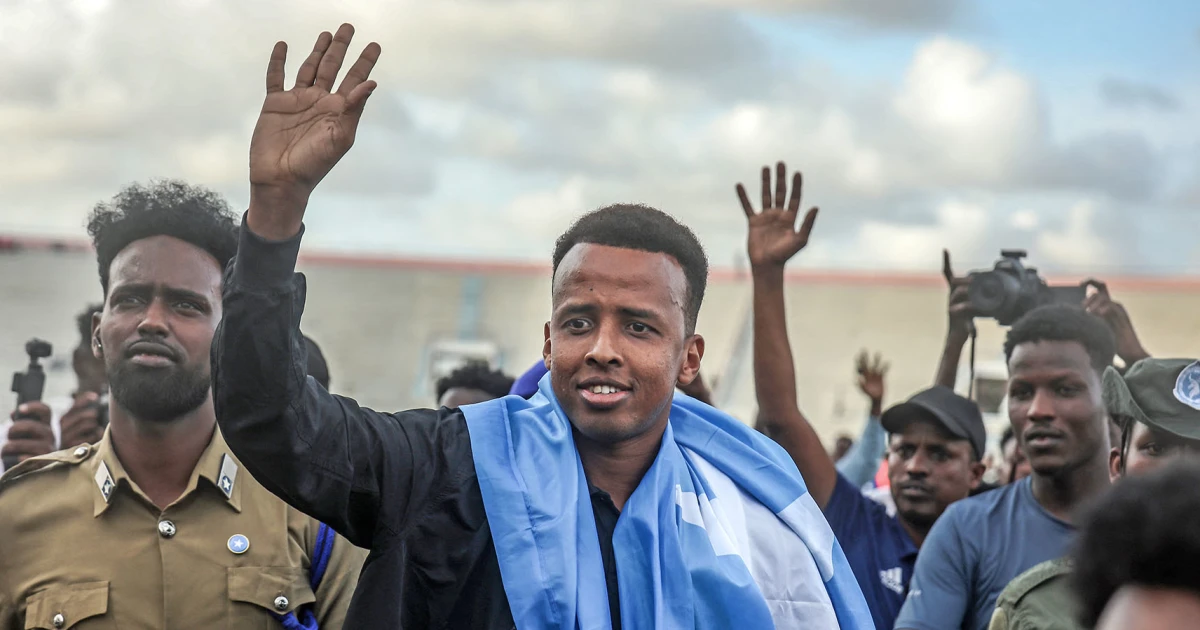
Although Somalia is not competing in the World Cup, scenes at Mogadishu’s airport on Wednesday suggested otherwise. Throngs of enthusiastic supporters, police in blue berets, and journalists converged to witness a pivotal moment as a plane taxied toward the terminal ramp.
Contrary to expectations, it was not the victorious soccer team that disembarked. Instead, the focus turned to Omar Altan, a figure emblematic of the intersection between America’s stringent immigration policies and the globe’s most prestigious sporting event. Omar, at 34, was poised to make history as the first Somali referee officiating the World Cup in the United States, Canada, and Mexico.
Upon landing in Miami, where the referees’ training base is situated, Omar was detained for 11 hours and subjected to intense interrogation before being repatriated to Somalia. U.S. border control’s handling of Altan raised eyebrows, as Iranian state media reported that he was not alone; 15 other Iranian officials faced similar entry denials, along with the Iraqi team’s official photographer. Iraqi player Aymen Hussein and others reported invasive searches at the border.
The U.S. government had previously assured FIFA of an open invitation to “eligible players, officials, and fans from around the world.” However, the specter of travel bans introduced under the Trump administration hung ominously over preparations, severely restricting entry from nationals of 39 countries.
Historical precedents of World Cups have not been without controversy, from Mussolini’s regime in Italy in 1934 to the challenges faced in Qatar in 2022. However, the situation involving a certified referee being barred from entry stands out as unprecedented, igniting widespread outcry domestically and internationally.
Former Secretary of State Hillary Clinton criticized the U.S. for its “deeply backwards” decision to prevent officials from fulfilling their roles. Notably, former Arsenal and England player Ian Wright expressed his discontent in a video post, dubbing the tournament a “World Cup of turmoil” and questioning the ethical conduct of its organizers.
With no elaborate explanation forthcoming, the White House World Cup chief Andrew Giuliani mentioned that Altan was denied entry for “very good reasons.” U.S. Customs and Border Protection cited “reviewing the concerns” surrounding Altan’s case but provided no additional context. An anonymous Trump administration official hinted that associations with individuals deemed members of a terrorist organization factored into the decision, a claim Omar vehemently denied when questioned about al-Shabab.
The Somali community rallied around Altan, with the country’s sports ministry voicing deep regret over his treatment. Meanwhile, U.S. border officials indicated that two members of the Iraqi contingent underwent “additional testing,” a procedure considered routine when verifying admissibility. One individual was allowed entry while the other faced rejections due to “vetting concerns.”
Despite the setbacks, Omar expressed optimism, stating, “Despite the circumstances, I am feeling positive and focused on the next challenge in my officiating career.” The potential for visa issues loomed large as the World Cup approached, with the Trump administration’s policies raising fears among participants from countries that typically face travel restrictions.
Fans are already facing a myriad of challenges, including high prices for tickets and accommodations, which are expected to make this the most expensive World Cup in history. Ronan Ewein, executive director of Football Supporters Europe, lamented that the essence of the World Cup—the universality and inclusivity it represents—seems undermined by current U.S. immigration policies.
Seventy-eight out of 104 games will be hosted in the continental U.S., with Canada and Mexico sharing the remaining venues. However, as the tournament unfolds, lingering concerns about access may overshadow the celebration of the sport itself.
A pervasive sentiment exists that the restrictive entry measures could set a troubling precedent for future international events. Human rights advocates have highlighted these policies as discriminatory and harmful, emphasizing the need for host nations to foster a welcoming environment for global participants.
