


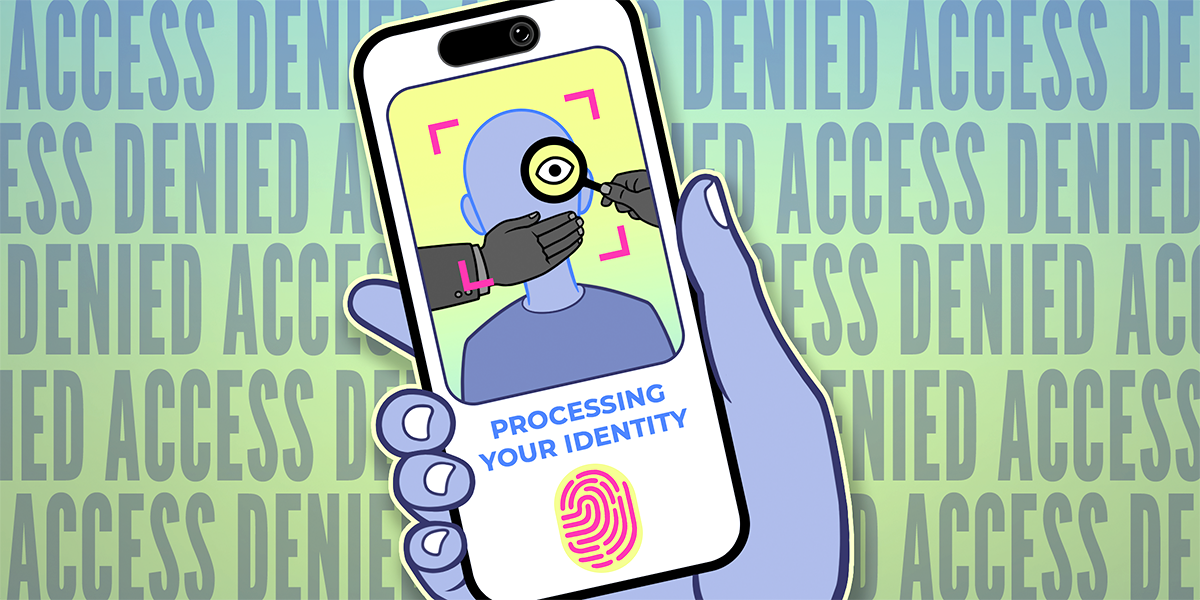
Importance of Age Verification in Digital Onboarding
Age verification plays a critical role in digital onboarding across various sectors, including online gambling, alcohol sales, gaming, and financial services. As businesses increasingly transition to online platforms, it is imperative to ensure that users meet legal age requirements before granting access to products and services.
The days of relying on a simple “Are you 18 or older?” checkbox are long gone. Today’s verification systems leverage advanced technologies such as document validation, biometrics, AI-driven analytics, and anti-fraud measures. This multifaceted approach aims to prevent minors from bypassing age restrictions, thus safeguarding companies and consumers alike.
Legal Implications of Inadequate Age Verification
Many industries face legal mandates to restrict access based on age. Non-compliance can lead to severe consequences, including significant fines, possible license revocation, reputational harm, and, in some cases, criminal charges.
Industries that commonly implement age verification measures include:
- Alcohol and Tobacco: The sale of these products is heavily regulated in most countries, necessitating age checks to confirm that customers are legally eligible to purchase.
- Gambling and Gaming: Online casinos and gambling services frequently use age verification to shield minors from potentially harmful content.
- Adult Content Platforms: Age checks help prevent underage access to explicit material while ensuring compliance with local laws.
- Pharmaceuticals: Certain health-related products can only be legally sold to adults.
- Firearms and Ammunition: Many jurisdictions mandate age verification before permitting gun and ammunition purchases.
- Energy Drinks and Supplements: Some regions regulate high-caffeine products and specific supplements due to possible health risks to minors.
As digital services continue to proliferate globally, implementing reliable age verification systems is becoming increasingly vital for both legal compliance and fraud prevention.
Understanding Age Verification Systems
An age verification system is a technological process designed to confirm an individual’s eligibility based on age before they can access specific products or services. The complexity of these systems varies widely, ranging from simple self-reporting measures to sophisticated solutions that integrate multiple layers of verification.
Some advanced systems employ a combination of:
- Document authentication
- Facial biometric identification
- Detection of a live user
- AI-based age estimation
- Database checks
The method selected generally depends on various factors, such as regulatory requirements, fraud risk levels, user experience considerations, and local legal obligations.
Applications of Age Verification
Beyond mere compliance, age verification serves multiple purposes for businesses, including:
- Customer onboarding
- Fraud prevention
- Account access control
- User analytics
- Responsible content access
- Identity verification processes
In many sectors, especially in banking, fintech, gambling, and cryptocurrency services, age verification is intricately linked to KYC (Know Your Customer) protocols. In some instances, firms may need only to confirm a user’s age rather than fully verify their identity. For instance, an online alcohol retailer might require proof of adulthood, while a financial institution may necessitate complete identity verification to meet compliance standards.
Effective Methods for Online Age Verification
Companies utilize several methods to verify age online, ranging from basic to highly secure options.
1. Self-Report
Reliability: Low
This rudimentary approach involves users confirming their age through checkboxes or date selection. Although simple to implement, it carries minimal protective capability since users can easily lie. It is generally unsuitable for regulated or high-risk sectors.
2. Credit Card Authentication
Reliability: Low to Moderate
Some platforms accept credit card ownership as a proxy for adulthood. While this method is straightforward, it is limited, as minors often have access to debit and prepaid cards linked to family accounts.
3. Age Estimation via Photos
Reliability: Moderate
AI-driven facial recognition technology can estimate age based on users’ photographs. While this method can flag obvious minors, it’s essential to acknowledge its limitations, as factors like lighting and ethnicity can impact accuracy. Hence, it is best used alongside other verification methods.
4. Identity Document Verification
Reliability: High
Verifying a government-issued ID is one of the most trusted means of age verification. Advanced systems can capture ID images, extract personal data, and assess the document’s authenticity, making it a core requirement in various regulated industries.
5. Document and Biometric Authentication
Reliability: Very High
The most robust systems combine ID checks with biometric authentication. This layered approach significantly mitigates fraud risks, assuring that not just the ID is valid, but also that the individual presenting it meets age requirements.
Choosing an Age Verification Solution
There isn’t a one-size-fits-all method for age verification. Selecting the appropriate system should align with industry standards, fraud prevention needs, user expectations, and local regulations. For low-risk situations, simpler methods may suffice, while sectors like gambling and banking typically require more stringent identity checks.
When evaluating age verification solutions, businesses should consider key factors such as:
- Verification accuracy
- Fraud prevention capabilities
- Compliance support
- User experience
- Integration complexity
- Scalability
- Data privacy and protection
As the digital landscape expands, age verification has evolved into a critical component—not merely a compliance checkbox. Businesses face mounting pressure to prevent minor access, reduce fraud, and ensure regulatory compliance while providing seamless user experiences. The integration of advanced technologies, including AI and biometric checks, creates a stronger trust paradigm in online interactions.
