


Youngstown’s Industrial Legacy Amidst Economic Changes
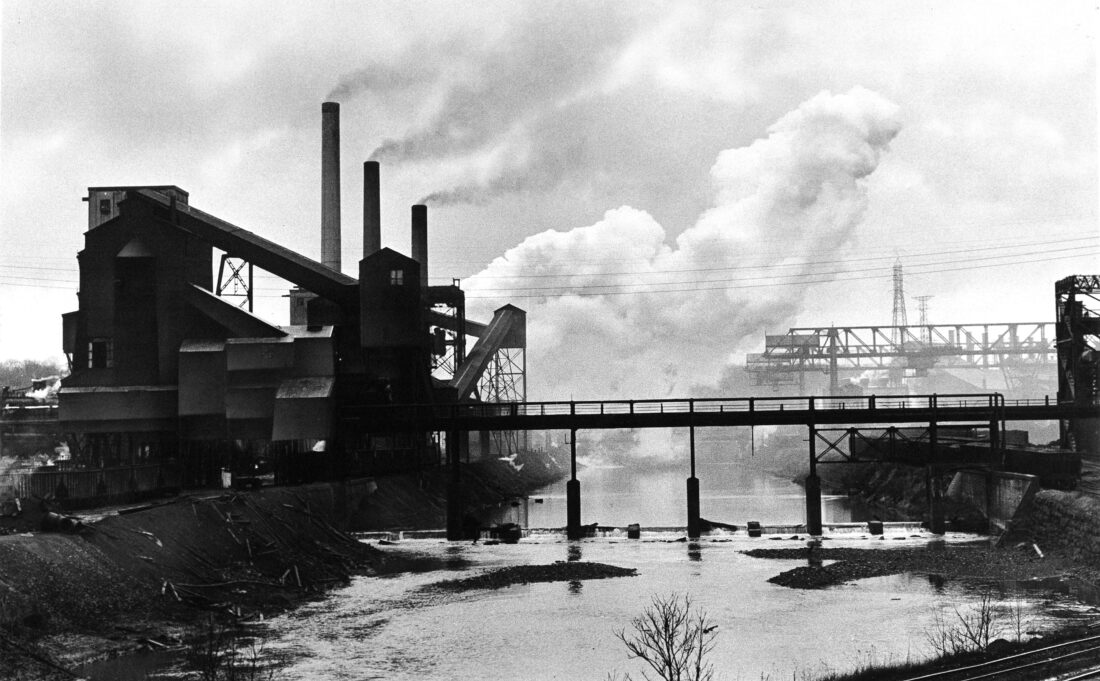
In September 1980, a somber atmosphere enveloped the industrial landscape of Youngstown, Ohio. The recession had gripped this once-thriving steel hub, causing many blast furnaces to cool. Factories, unable to compete with modern plants in Germany and Japan, were shutting down, leading to the layoff of thousands of steelworkers. The remnants of the Jones & Laughlin Steel Company loom over the Mahoning River in Struthers, a stark reminder of a bygone era.
The early 20th century marked a significant period of industrial growth in America, largely fueled by abundant natural resources. This surge not only contributed to victory in two world wars but also solidified the country’s status as a superpower. Youngstown became a pivotal center of this growth, synonymous with steel production and the Labor movement that revolutionized the workplace in the United States, highlighting a pattern of industrial escalation rooted in access to fuel resources.
Tension Escalates During Labor Strikes
The flashpoint for labor tensions unfolded on June 19, 1937, outside Republic Steel’s Stop 5 plant on Poland Avenue. Workers had been on strike for weeks as part of the Little Steel Strike, advocating for union recognition. Republic Steel, alongside Youngstown Sheet & Tube, resisted the Steelworkers Organizing Committee, setting the stage for a confrontation that would mark a pivotal moment in the city’s labor history.
As tensions mounted, factory production came to a halt, and movement into and out of facilities slowed. Following a series of riots in Republic, then-Governor Martin Davie imposed martial law and deployed the National Guard. This pivotal event highlighted not just the struggle for labor rights but also the broader context of social issues within Youngstown.
The Early Foundations of Wealth and Conflict
The roots of this labor conflict extend deep into Youngstown’s history, tracing back to its transformation from a modest community to a prominent steel production center. Steel brought unprecedented wealth and opportunity to the city and surrounding Mahoning County. While it spurred growth and fostered institutions that continue to define the area, it also catalyzed labor strife and social discord among various immigrant groups.
Youngstown’s identity was forged by the immigrants who worked the factories and built communities around shared language, religion, and experiences. Bill Lawson, executive director of the Mahoning Valley Historical Society, notes that these immigrant networks created strong communal ties and determined socio-economic dynamics within the factories, influencing who held power.
Iron Roots and the Rise of Steel Production
Before Youngstown emerged as a steel powerhouse, its identity was deeply intertwined with iron production. The region’s abundant natural resources, including rich reserves of iron ore, coal, timber, and limestone, attracted early settlers focused on iron manufacturing. Following the economic downturn after the Panic of 1873, the focus on industrial development surged, establishing the Mahoning Valley as a key player in the nation’s iron industry.
Lawson highlights the 1880s as a turning point, a period when iron production flourished, even as industry leaders recognized a seismic shift towards steel. By 1892, local businessmen were working to transition Youngstown from iron to steel, forming the Ohio Steel Company to spearhead this change. Just a few years later, major companies, including National Steel and U.S. Steel, began to influence the area’s local economy significantly.
Demographic Transformations Fueling Growth
Historically, Youngstown’s workforce was predominantly composed of immigrants who fueled its burgeoning iron and later steel industries. During the late 19th century and into the early 20th, the city’s demographic landscape rapidly changed. Early waves of European immigrants were soon joined by robust populations from Southern and Eastern Europe, each group contributing to the cultural mosaic of the city.
These communities maintained vibrant identities through churches, social clubs, and businesses, leading to neighborhoods often forming along ethnic lines. This cultural diversification coincided with rapid urbanization, as the influx of workers prompted a significant demand for housing and infrastructure, driving real estate development at a remarkable pace.
Social Boundaries and Labor Stratifications
While ethnic networks enabled immigrant communities to preserve their identities, they also entrenched social divisions. Groups often organized around national and religious identities, and in the 1920s, the rise of the Ku Klux Klan in Youngstown highlighted these tensions, creating an environment rife with exclusion. Compounding these challenges were deeply entrenched racial dynamics, where African Americans faced barriers to better employment opportunities, often relegated to the most arduous and dangerous jobs.
Despite these social fractures, the 1930s heralded a shift. Workers were increasingly demanding a voice in their workplaces. As labor organizations began to advocate for better wages and working conditions, the Congress of Industrial Organizations aimed to unite steelworkers in their struggle, further intensifying the call for labor reforms.
The Little Steel Strike’s Lasting Impact
In the spring of 1937, the strike, known as the Little Steel Strike, targeted several key companies including the Youngstown Steel Company and Republic Steel, as union activists sought to establish their presence in the steel industry. Tensions escalated through May and June, as picket lines formed and labor activists confronted management attempting to sustain operations. Eventually, the situation culminated in civil unrest, although the strike ultimately did not succeed in its immediate goals.
Though the events of 1937 were a setback for union supporters—many of whom lost their jobs—the labor movement persevered. Over time, legal battles and organizing efforts led to significant victories, culminating in Republic finally signing a union contract in 1942, coinciding with the formal establishment of the United Steelworkers Union. The confluence of immigration, industrial growth, and social movement in 1937 remains a pivotal chapter in the history of Youngstown, underscoring broader national narratives of labor rights and social justice.
