


Reflections on the Erewata Tragedy One Year Later
Since the tragic events of June 13, 2025, life in Erewata has changed in ways that can hardly be captured in words. Survivors grapple with the shadow of terror, poverty, and unresolved trauma, as journalist John Charles discovered during his recent visit to the community.
The Weight of Memories in Erewata
In Erewata, memories are preserved not just in photographs but also through the remnants of burnt houses and vacant lots. The pain felt by survivors is palpable, as they reflect on the night when many of their neighbors were lost forever.
A Survivor’s Heartbreaking Tale
Tears flowed freely as Saondo stood before the charred remains of his home, overwhelmed by painful recollections. A memorial mass held to honor victims of the massacre provided little comfort, as the tragedy remained a wound that never healed. Saondo had narrowly escaped; he left just hours before armed assailants attacked, claiming hundreds of lives and reducing homes to ashes. Those he left behind did not escape.
Commemorating the Fallen
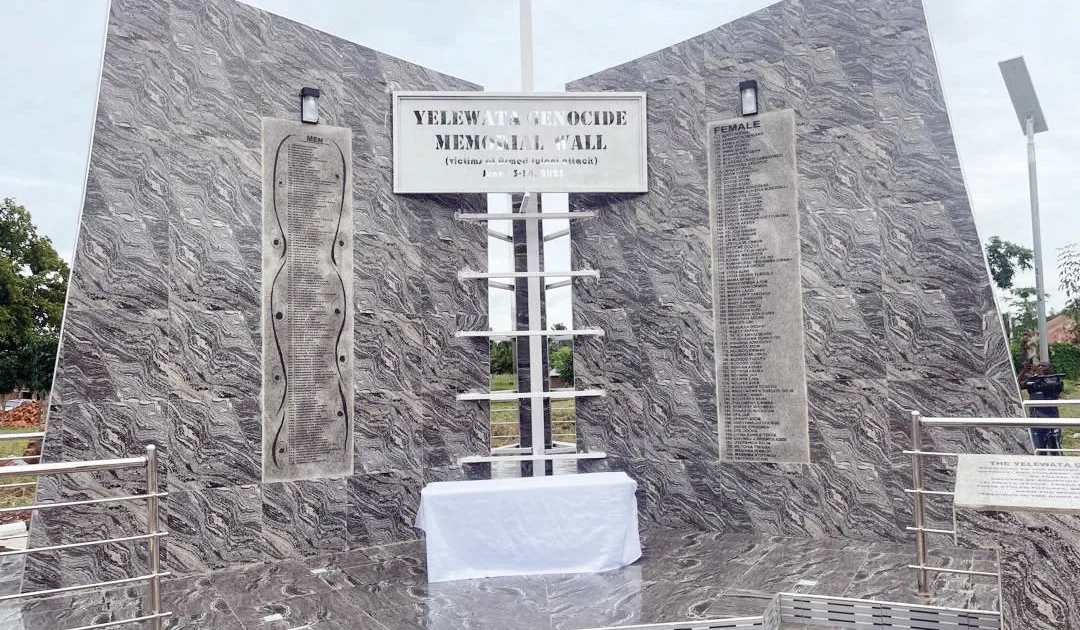
On the one-year anniversary of the attack, the community came together in a somber tribute. Behind the speeches and the unveiling of a monument inscribed with the names of 272 victims lay a harsh reality. Many survivors expressed their despair, stating that they have yet to rebuild their shattered lives.
The Significance of the Memorial
Matthew Munyan, a leader in the community, found Saondo standing apart from the crowd, visibly distressed. Saondo’s painful admission, “I would have died too,” underscored the emotional devastation that lingers in Erewata. The solemn occasion drew visitors for a different reason – not celebration, but remembrance of a tragedy that left an indelible mark on the community.
A Call for Action
The recent memorial service drew attention to the ongoing struggles faced by survivors. The Catholic Bishop of the Diocese of Makurdi, Rev. Wilfred Anagbe Most, urged government officials to adopt proactive measures for resettling displaced people in their ancestral lands rather than confining them to makeshift camps. He criticized the prevailing approach as a sign of governmental helplessness amid a growing security crisis.
Continuing Hardships and Rising Insecurity
Speaking to the community’s present challenges, Matthew Munyan portrayed a grim picture of life a year after the attack. Persistent insecurity prevents residents from safely accessing their farms, leading to worsening poverty levels. Munyan recounted a recent incident involving a young girl who was assaulted while gathering firewood, highlighting the ongoing vulnerability faced by those in Erewata and surrounding areas.
Community Voices Demand Accountability
Despite the attention brought by donations, community leaders expressed dissatisfaction with how resources have been managed. Munyan criticized the Benue State Government for failing to adequately address the needs of survivors and questioned the effectiveness of initiated projects. As the anniversary passed, the community yearned for genuine assistance to facilitate economic recovery and secure resettlement for the displaced.
Government Response to Ongoing Situations
In a contrast to these sentiments, the Benue State Emergency Management Agency claimed that progress had been made in resettling displaced individuals and providing them with cash assistance. The agency emphasized the allocation of more than 1,000 completed homes and touted plans for social infrastructure development. However, skepticism about the effectiveness of these efforts remains evident within the Erewata community.
