


Sonny Okosun’s Papa’s Land: A Musical Protest Against Apartheid
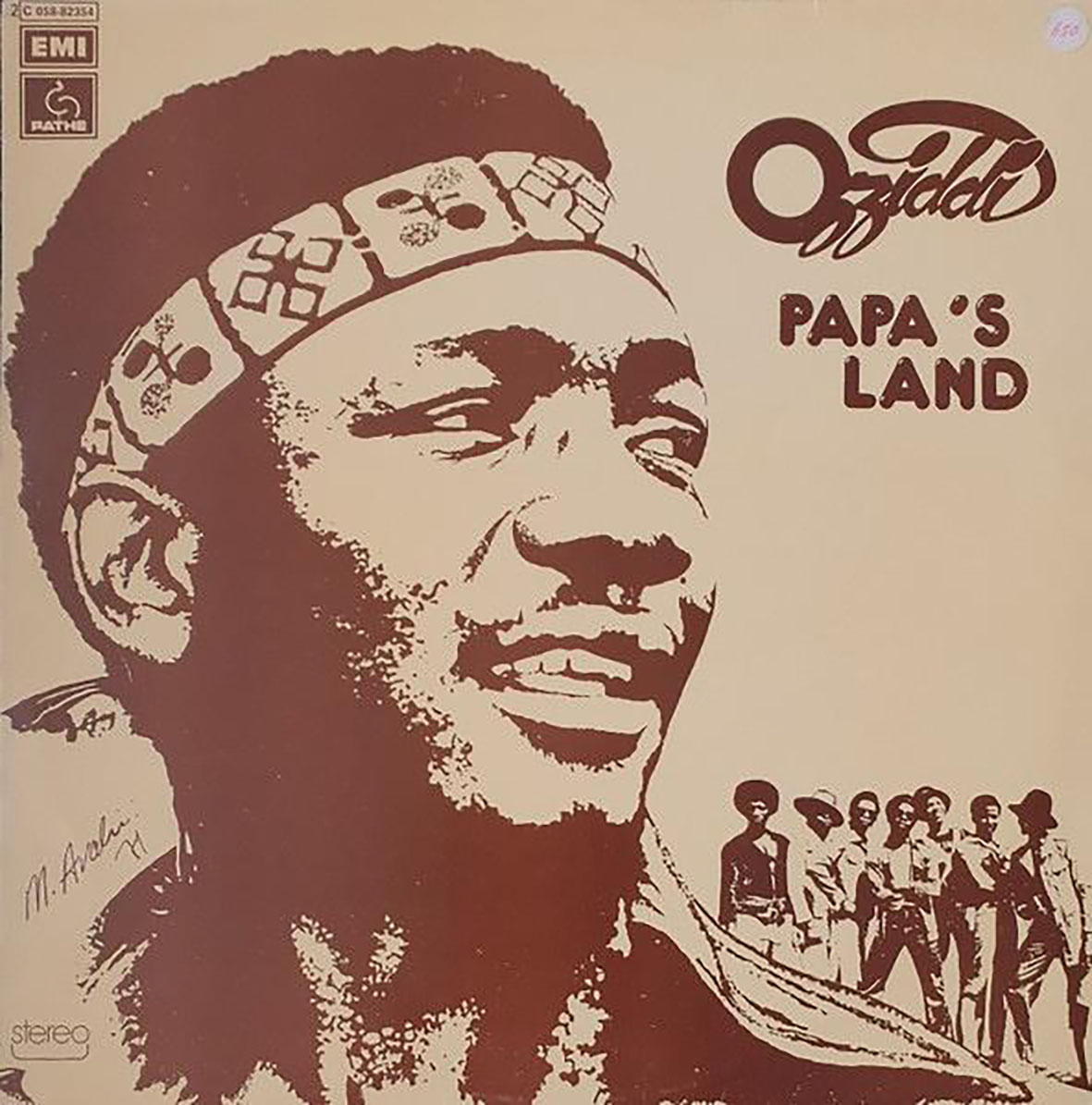
Sonny Okosun’s album cover for Papa’s Land vividly captures the essence of the Pan-African protests during a tumultuous period when music emerged as a powerful tool against apartheid and a call for unity across Africa.
A Political Testament in Music
Papa’s Land transcends its status as a mere album; it stands as a political document, a freedom anthem, and a compelling reflection of Nigeria’s significant role in Africa’s liberation movements. Released in 1977 by Okosun and his Otsidi Band, this album represents one of Nigeria’s most profound musical statements opposing apartheid in South Africa. By blending elements of reggae, highlife, Afrobeat, funk, and soul, it creates a unique sound that challenges listeners while inviting them to dance. Guyanese-British musician Eddie Grant’s contributions also infused the record with an anti-apartheid sentiment, enriching its black Atlantic identity.
The Heart of the Album
At the core of the album lies its titular track, a poignant protest against apartheid that emphasizes South Africa’s struggle as a collective African concern rather than a localized issue. This song serves as a powerful reminder of the moral obligations inherent in the fight against injustice across the continent.
Exploring the Meaning Behind Papa’s Land
The title “Papa’s Land” itself raises a critical moral question: who truly possesses the land? In the context of apartheid South Africa, the answer was starkly distorted by oppressive laws and racial hierarchies. Although this land had historically and spiritually belonged to its Black inhabitants, they were often treated as foreigners in their own homeland. Okosun, as an African artist, conveyed this injustice not from a distance but from the very heartbeat of the continent, viewing apartheid as a direct affront to African dignity.
A Soundtrack for Resistance
Musically, Papa’s Land stands out for its seamless blend of rhythm and resistance. The upbeat grooves mask serious themes, with a brass section that rises like a rallying cry and guitar lines that carry both sweetness and urgency. The percussion imparts a marching quality without veering into the realm of formality, while Okosun’s vocal delivery is direct and urgent, evoking a sense of historical witness. By adopting this approach, Okosun carved out a unique niche in the landscape of Nigerian popular music, balancing the confrontational edge of Fela Kuti with the spiritual depth of roots reggae.
Nigeria’s Role in the Anti-Apartheid Movement
To fully appreciate Papa’s Land, one must understand the socio-political backdrop of Nigeria at the time of its release. Nigeria’s stance on apartheid was not merely symbolic; it was a comprehensive effort that involved institutional, diplomatic, financial, and cultural support. Through organizations like the National Committee Against Apartheid, Nigeria mobilized public opposition to the regime, educating its citizens on the continent-wide implications of apartheid.
Music as a Vehicle of Diplomacy
Within Papa’s Land, the struggle of South Africa becomes emblematic of Africa’s broader fight for dignity and freedom. Okosun transformed popular music into an avenue for continental diplomacy, using the dance floor as a platform to educate audiences about the emotional realities of apartheid, even for those who had never set foot in South Africa. His lyrics served as a call to remember that liberation is not merely a slogan but an enduring obligation.
The Irony of Post-Apartheid South Africa
Today, Papa’s Land takes on a hauntingly relevant meaning, as South Africa grapples with a complex legacy where former allies face hostility. The nation that once sought solidarity now witnesses incidents of anti-immigrant sentiment, particularly affecting Nigerians. Reports illustrating these tensions starkly contrast the historical memory of support during the apartheid struggle, highlighting painful contradictions in post-colonial realities.
Memory, Responsibility, and the Future
The album’s themes resonate deeply, questioning whether political freedom holds any meaning in a context where Africans cannot recognize each other as kin. Sonny Okosun’s genius lay in his ability to convey profound messages through melody and rhythm, intertwining protest and mobilization. Papa’s Land endures, inviting reflection and discussion on issues of land, belonging, and dignity, while urging both Nigeria and South Africa to remember their historical ties.
