


U.S. Plans to Lift Sanctions on Iran
According to a 14-point memorandum obtained by NBC News from senior U.S. officials, the United States is poised to lift sanctions on Iran and unfreeze funds and assets associated with its regime. This development follows prolonged tensions and conflict in the Middle East.
A Commitment to Cease Military Operations
The interim agreement aims for an immediate and permanent halt to military operations in the ongoing U.S.-Israel conflict with Iran. This conflict, which erupted on February 28, has caused widespread chaos across the Middle East, further disrupting the global economy.
Future Negotiations and the Strait of Hormuz
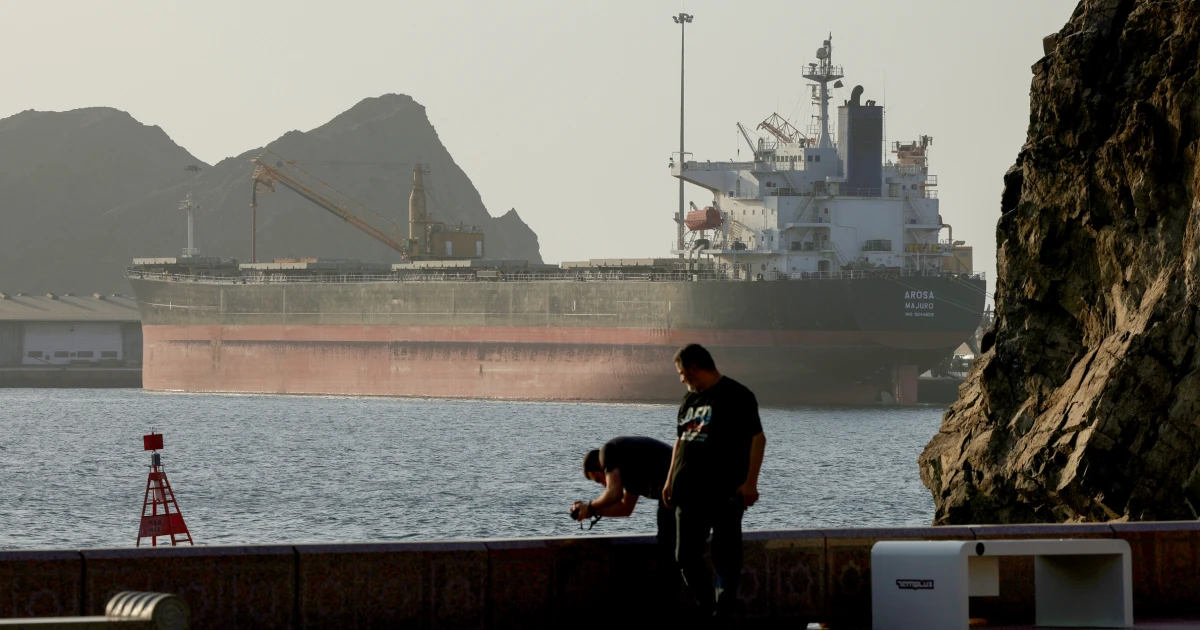
Under the terms of the memorandum, both parties have committed to further discussions within 60 days. These negotiations may be extended by mutual consent in pursuit of a more comprehensive final agreement. Notably, Iran has agreed to allow the safe passage of commercial vessels through the Strait of Hormuz for a period of 60 days, after which it will negotiate with Oman about the future management of this critical trade route, responsible for approximately 20% of the world’s oil traffic.
Sanctions Relief and Economic Development Funds
The memorandum outlines provisions for the United States to terminate all types of sanctions, release restricted funds and assets, and begin dismantling the naval blockade of Iranian ports. In response, Iran has reaffirmed its commitment to not acquiring or developing nuclear weapons, establishing a collaborative approach to managing its stockpile of enriched materials.
Potential Economic Aid and Criticism
One notable aspect of the memorandum that may face scrutiny involves the U.S. working alongside regional partners to establish a plan to allocate at least $300 billion for Iran’s reconstruction and economic development. However, U.S. officials have clarified that America’s participation in this fund is not obligatory but contingent on Iran’s compliance with the agreed terms.
Reactions from U.S. Officials and International Leaders
Officials downplayed potential backlash regarding the reconstruction fund, emphasizing that sanctions relief could lead to investments in Iran, such as power plant projects. Senior U.S. representatives have expressed optimism about the current standing of negotiations, while global leaders at the G7 summit have shown support for the agreement as a means of preventing Iran from developing nuclear capabilities and addressing regional stability concerns.
Regional Dynamics and Israel’s Position
In addressing the regional implications of the agreement, U.S. officials noted that Israel remains skeptical about the deal’s efficacy. The agreement stipulates that Iran must restrain Hezbollah, which has escalated tensions in Lebanon, with continued skirmishes despite the ceasefire efforts. Furthermore, a binding U.N. Security Council resolution will oversee the enforcement of this deal, which aims to stabilize the region and prevent further conflict.
