


California and Oregon Cities Challenge Federal Grant Conditions
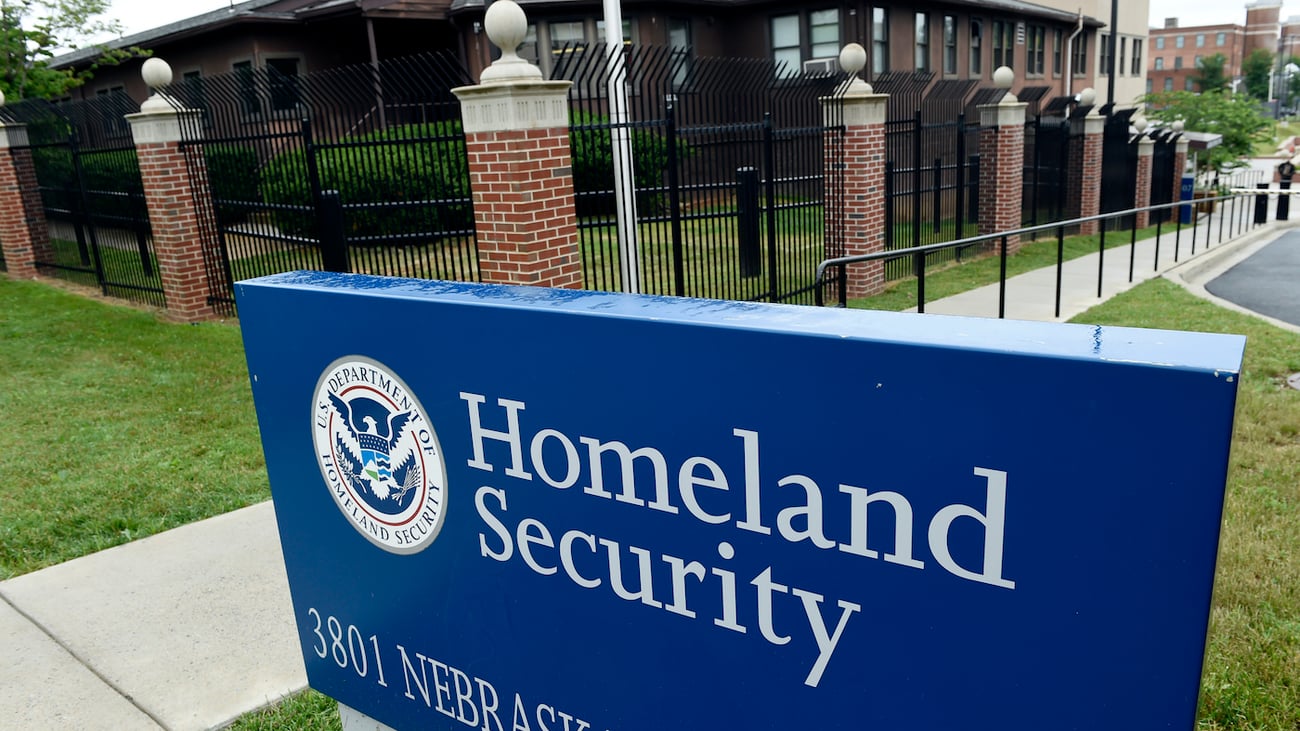
SAN FRANCISCO – A coalition of cities and counties from California and Oregon formally requested a federal judge on Wednesday to prevent the Trump administration from imposing what they deem “illegal and unauthorized” conditions on federal funding designated for public safety, public health, and environmental initiatives.
U.S. District Judge William Orrick expressed willingness to grant the plaintiffs a preliminary injunction against the Department of Homeland Security and the Department of Justice, yet he voiced skepticism regarding the plaintiffs’ claims against the Department of the Interior.
While Orrick acknowledged the potential unconstitutionality of the Executive Orders tied to diversity, equity, and inclusion (DEI), as well as immigration enforcement that prompted the federal agencies to impose questionable conditions, he noted that none of the affected municipalities in the Northern District of California had formally applied for grants from the Department of the Interior; Santa Cruz had merely indicated an interest in applying.
Orrick clarified that he has no objections to municipalities outside the Northern District joining the lawsuit, nor does he mind them applying for various grant programs from the same federal agency, as long as they proceed with actual applications.
“My intention is to provide preliminary injunctive relief specifically for the subsidies sought by the plaintiffs,” he stated.
The plaintiffs—including Fresno, Santa Clara, Redwood City, Santa Cruz, and Stockton in California, along with San Diego, Los Angeles, and Santa Barbara counties, and Beaverton, Corvallis, and Hillsboro in Oregon—claim to have either received or plan to apply for funding from the federal departments, all while opposing new grant conditions tied to Trump’s policies.
City and county officials allege that the federal government has unlawfully conditioned Congress-appropriated funding by mandating grant recipients to comply with Trump’s anti-DEI initiatives and to aid in federal immigration enforcement. Ryan McGinley Stempel, representing the plaintiffs, argued that municipalities intending to apply for grants—yet might face unconstitutional conditions—would suffer irreparable harm, impacting their financial planning.
As local governments prepare their long-term financial strategies, the uncertainty regarding federal funds complicates budget considerations, potentially leading to long-lasting detriments, McGinley Stempel remarked.
He urged Judge Orrick not to restrict the preliminary injunction solely to the grants specified in the lawsuit, suggesting that new grant opportunities often arise that might similarly incorporate the controversial conditions.
However, Jebecius Bernardoni, representing the Justice Department, countered this view. He argued that any injunction should only apply to those municipalities named in the suit, labeling the future uncertainties as “unknowable.” He maintained that the case should focus on current practices and that additional litigations could occur as new facts emerge.
Bernardoni further emphasized that municipalities lacking actual grant applications do not possess the standing to contest the terms, stating that the government believes the court may lack the authority to impose a preliminary injunction against the Department of the Interior due to insufficient plaintiffs in California.
Orrick conveyed his intent to issue the order promptly. Representatives from both the plaintiffs and the defense did not respond to inquiries for further comments.
This lawsuit marks another episode for Fresno, which has previously taken legal action against the administration’s moves to restrict funding for municipalities that do not adhere to its policy directives. In August 2025, Fresno, alongside other groups, filed a lawsuit against multiple federal agencies over grant requirements that aligned with Trump’s positions on DEI, gender issues, and immigration enforcement. Judge Richard Seeborg subsequently granted a preliminary injunction, extending it further in August 2026 to broaden the scope for the plaintiffs.
Moreover, in November, Judge Orrick had already halted the Department of Homeland Security from withholding disaster relief funds from local governments refusing to comply with ambiguous conditions tied to federal anti-DEI policies and vague executive orders related to grants.
