


FDA Advisory Committee Endorses Moderna’s mRNA Influenza Vaccine for Seniors
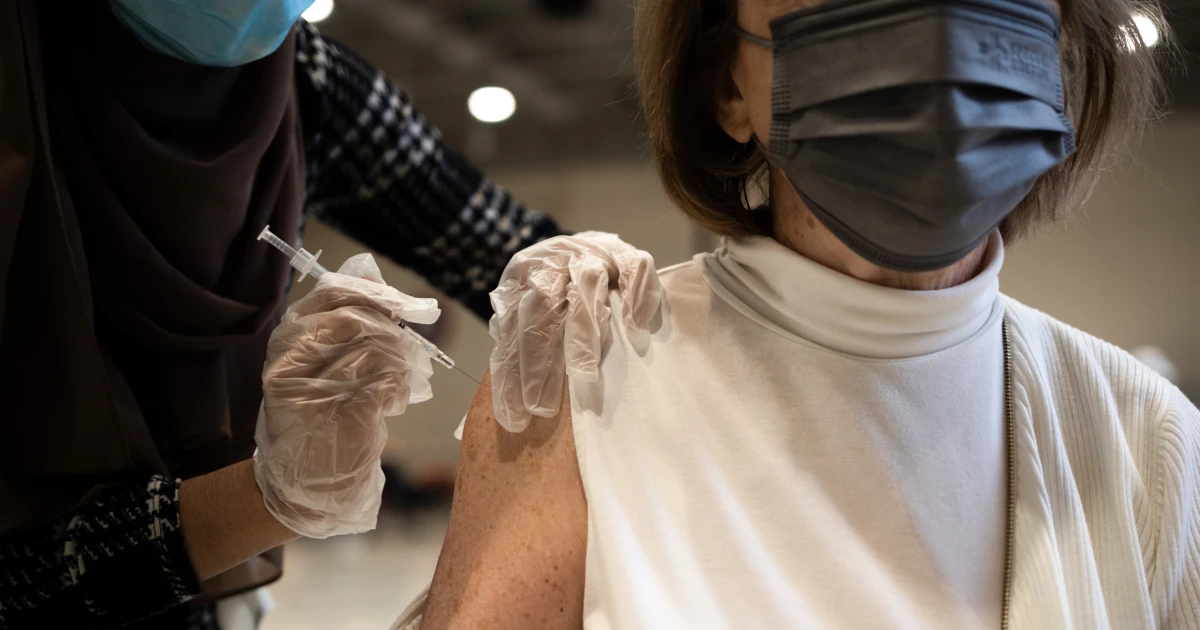
An advisory committee of the Food and Drug Administration (FDA) granted its recommendation on Thursday for the approval of Moderna’s mRNA-based influenza vaccine, targeting the senior population. If approved, this could become the first messenger RNA vaccine for influenza globally, equipping public health officials with a more effective tool to combat flu outbreaks. In late-stage trials, this vaccine demonstrated approximately 27% greater efficacy compared to traditional flu shots.
Uncertainties Surrounding Vaccine Accessibility
Despite the committee’s unanimous backing, uncertainties linger regarding the availability of the vaccine, named mFlusiva, for Americans this fall. Before it can be rolled out, the vaccine must still receive FDA approval as well as a formal recommendation from an advisory committee of the Centers for Disease Control and Prevention (CDC), which is currently facing legal hurdles preventing it from convening.
HHS’s Stance on mRNA Technology
The Department of Health and Human Services (HHS), which oversees the FDA, has expressed skepticism towards mRNA technology. Under the administration of Secretary Robert F. Kennedy Jr., who has referred to the mRNA COVID-19 vaccine as “the deadliest vaccine in history,” HHS cut nearly $500 million in funding for mRNA vaccine research last year.
Moderna’s Rollercoaster Journey to Approval
Moderna’s quest for approval has seen significant fluctuations. Earlier this year, the FDA initially declined to review its vaccine application but later reversed that decision just a week afterward. FDA officials noted that the initial denial stemmed from Moderna’s choice to compare its vaccine’s effectiveness against the standard flu shot aimed at adults aged 65 and older, despite the CDC advocating for a higher-dose version for this demographic. Moderna contended that the FDA had previously validated the trial design.
Focus on Trial Designs for Older Adults
The discussion at Thursday’s meeting primarily centered around trial designs for older individuals. Ultimately, the agency’s Vaccines and Related Biological Products Advisory Committee recommended approval for two specific age groups: adults aged 50 to 64, and seniors aged 65 and older. However, they stipulated that further clinical trials must be conducted in older age groups post-market release.
The Growing Problem of Seasonal Influenza
Dr. Lisa Groskopf, a medical officer in the CDC’s influenza division, highlighted the severe impact of influenza on public health, noting that hundreds of thousands of Americans are hospitalized annually, with the elderly bearing the brunt of these cases. While several influenza vaccines are currently available in the U.S., their effectiveness often fluctuates yearly due to the need for manufacturers to predict viral strains months ahead, granting the virus time to evolve.
Advancements in mRNA Technology
Many researchers believe that mRNA technology presents a potential solution to these challenges. By utilizing small segments of genetic material, mRNA vaccines prepare the immune system to recognize and combat the influenza virus. Importantly, the mRNA does not linger in the body post-administration. Dr. Jesse Goodman, former FDA chief scientist and a leading infectious disease expert at Georgetown University Medical Center, noted that the swift development of mRNA vaccines could allow manufacturers to update their formulations in alignment with circulating virus strains more efficiently.
Expedited Vaccine Development Timeline
During a recent conference, Moderna indicated that its mRNA vaccine can progress from strain selection to deployment within two to three months, significantly quicker than the six-month process typically needed for conventional flu vaccines. This accelerated timeline could enable the production of more effective vaccines that are fine-tuned to current flu strains.
Committee Perspectives on Vaccine Efficiency
Post-vote, several committee members expressed enthusiasm regarding a vaccine that could be rapidly produced and potentially more effective. Dr. Haley Altman Gans, a pediatrician at Stanford University Medical Center, remarked on the innovative potential of this platform to advance vaccine technology.
Leadership Changes at the FDA
The FDA currently lacks a permanent vaccine director or commissioner, raising questions about who will make the ultimate decision regarding the approval of Moderna’s flu shot. Karim Mikhail, a former senior advisor to the FDA commissioner, is now acting head of the vaccine division following Dr. Vinay Prasad’s resignation, while Kyle Diamantas has assumed the role of acting commissioner after Dr. Marty McCurry stepped down.
Expectation for Data-Driven Decisions
Vaccine policy expert Dorit Reiss from the University of California, San Francisco School of Law, emphasized the importance of data over sentiment in vaccine evaluation. She expressed hope that the new director would prioritize this principle. If approved, this will mark the first mRNA vaccine sanctioned during the Kennedy administration, following the FDA’s earlier approval of mRNA COVID-19 vaccines since 2025.
