


African Leaders Embrace the Lomé Declaration to Enhance Air Travel Affordability
On June 16, 2026, African Ministers took a significant step towards making air travel more accessible across the continent with the adoption of the Lomé Declaration. This pivotal agreement was reached in Lomé, Togo, during the African Air Transport Conference and Expo, aiming to establish a framework for affordable, connected, and sustainable air transport in Africa.
Commitment to Overcome Barriers in Air Connectivity
The Lomé Declaration signifies a concerted effort among African leaders to dismantle the structural and regulatory obstacles that currently hinder air connectivity. Despite being one of the least traveled regions globally, Africa struggles with minimal intra-continental trade compared to other areas. Past initiatives have aimed to strengthen air connectivity to stimulate trade, job creation, and market development for locally produced goods.
Strengthening Regional Policy Frameworks
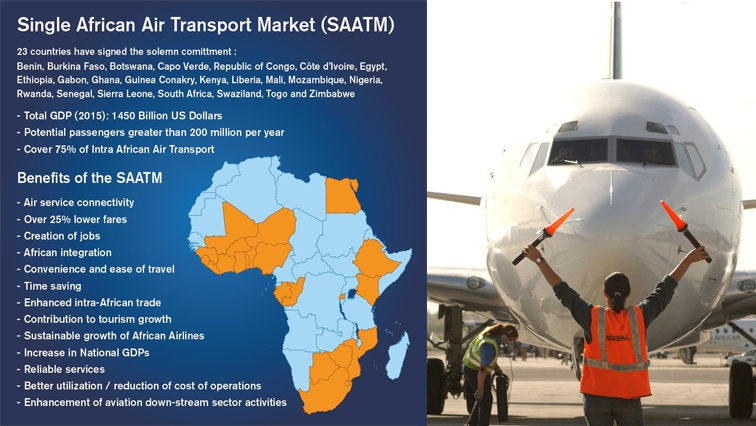
The Declaration reinforces the commitment to the Single African Air Transport Market (SAATM) and the Yamoussoukro Decision, positioning aviation as a vital sector for trade, tourism, and regional integration. Emphasizing the need for actionable strategies, attendees at the conference pointed out that high costs and restrictive airspace policies are major impediments to economic growth.
Addressing Economic Challenges in Air Travel
The aviation sector in Africa has faced substantial challenges, including excessive taxes and regulatory fees that inflate the cost of air travel, undermining route viability. The Lomé Declaration seeks to put an end to the long-standing delays in implementing SAATM. Despite its ambitious goals, barriers such as protectionism and fragmented bilateral agreements have thwarted progress toward affordable air travel.
Advancing the ECOWAS Mandate for Reduced Airfares
The Lomé Declaration aligns with the Economic Community of West African States (ECOWAS) directive to cut air passenger and security fees by 25% and eliminate specific non-ticket taxes, a mandate that commenced on January 1, 2026. However, inconsistent local implementation by member states has hampered broader adherence to these rules, with taxes sometimes constituting 50% to 70% of standard ticket prices in the region.
Mobilizing Resources for Aviation Transformation
One of the key outcomes of the Lomé Declaration is the strengthening of the African Civil Aviation Commission (AFCAC) as the central body for implementation. Alongside the introduction of the AFCAC Solidarity Commitment 2026-2028, the Declaration aims to mobilize necessary resources for capacity building and project execution, laying the groundwork for a transformative approach to aviation in Africa.
Promoting Sustainable and Inclusive Aviation Infrastructure
The Declaration emphasizes the importance of developing resilient aviation infrastructure, modernizing air navigation systems, and fostering digital transformation within the sector. It calls for concerted efforts towards enhancing cargo logistics, bolstering cooperation among airlines, airports, and trade authorities, and promoting investment opportunities in underrepresented regions. This aligns with broader initiatives to enhance intra-African trade and economic growth.
Establishing an Accountability Framework for Implementation
To ensure effective follow-through on commitments made in the Lomé Declaration, a clear post-Lomé implementation roadmap will be developed. This framework will outline specific priorities, timelines, and reporting structures, reinforcing a unified commitment from all stakeholders to establish a safer, more integrated, and competitive air transport system across Africa.
