


Burnham Takes Key Step in Bid for Leadership
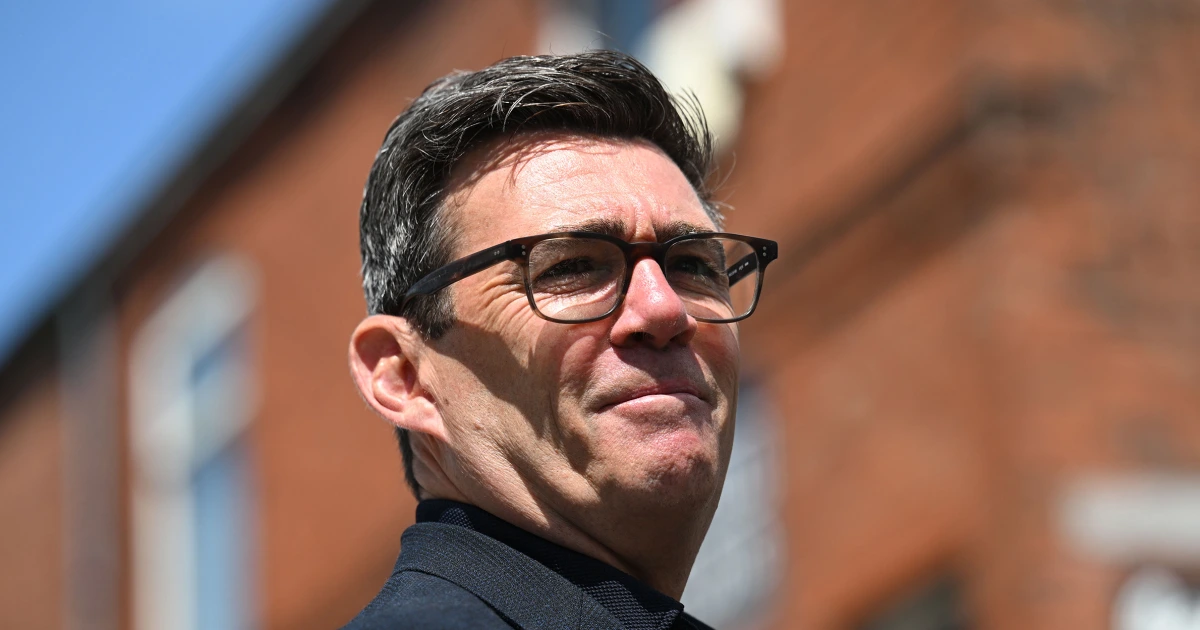
LONDON — Andy Burnham is poised to become a serious contender for Britain’s next prime minister following his victory in a special election for Makerfield, a constituency in northwest England.
Political Landscape Shifts as Burnham Sets Sights on Leadership
As the mayor of Greater Manchester, Burnham has openly signaled his intention to challenge Prime Minister Keir Starmer for leadership of the center-left Labour Party. Starmer’s popularity has declined sharply amid scandals and mismanagement, leading critics to question his ability to revive the stagnant post-Brexit economy.
Victory Reopens Parliamentary Doors for Burnham
Burnham’s win in Thursday’s election is a crucial step, allowing him to return to Parliament and positioning him to contest Starmer’s leadership. Recently, a faction of Labour MPs has started advocating for a leadership change, expressing concerns that Starmer could lead the party to an electoral defeat and potentially give rise to a far-right government under Donald Trump’s ally Nigel Farage.
Special Election Results Favor Burnham
The official results of the by-election, announced early Friday morning, revealed Burnham defeating his reformist challenger Robert Kenyon by a significant margin: 24,927 votes to 15,696.
Burnham Highlights Call for Change
After the results were revealed, Burnham emphasized the need for political reform. “We all understand that politics is failing us. This nation deserves better,” he stated, suggesting that the outcome could symbolize a turning point for the country.
By-Election Sparks National Interest
While by-elections in the UK are often dull affairs, the Makerfield contest attracted significant attention due to its broader implications. The Labour MP for the area, Josh Symonds, resigned specifically to facilitate Burnham’s candidacy, ensuring that he could gain a seat and a platform to challenge for leadership.
Burnham’s Popularity and the Reform Camp Struggles
Burnham leveraged his standing as a well-liked mayor to appeal to voters in this working-class, predominantly white region of Greater Manchester, a significant target for Farage’s political movement. Meanwhile, Kenyon’s campaign suffered a blow after controversial social media posts surfaced, in which he made disparaging remarks about women.
The Road to Leadership Holds Challenges for Burnham
To formally challenge Starmer, Burnham will need the backing of at least 81 fellow Labour MPs. Although Starmer has committed to contesting the next election, his position has reportedly weakened, with 110 MPs having signed a letter calling for his resignation. Furthermore, Wes Streeting is also planning to make a leadership bid following his resignation as health secretary.
Expert Analysis on Burnham’s Victory
Political science professor Tim Bale from Queen Mary University of London commented on Burnham’s surprising win. “His victory will be met with both relief and caution among his new colleagues,” he noted. “He has been perceived as a fantasy leader until now, and transitioning from that to actual governance will pose its own challenges.”
Burnham’s Positive Campaign Approach Recognized
Claire Ainslie, a former policy advisor to Starmer, praised Burnham for his effective campaign focused on local issues such as waste management and community services. Ainslie, now affiliated with the Progressive Policy Institute in Washington, remarked that such an approach resonates with voters and reflects a commitment to prioritize community needs over partisan divides.
