


NEC Approves N83.2 Billion for Flood Preparedness in Nigeria
On Thursday, the National Economic Council (NEC) sanctioned the release of N83.2 billion from the Advance Action Trust Fund (AATF) to enhance Nigeria’s readiness for floods and other climate-related disasters, particularly as the peak of the rainy season approaches.
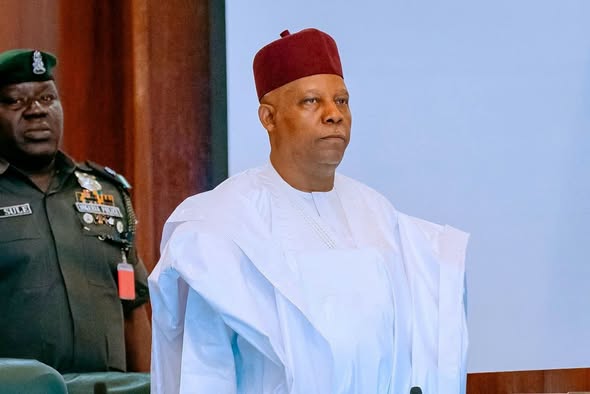
The approval came during a NEC meeting chaired by Vice President Kassim Shettima at the Presidential Villa in Abuja, in response to growing concerns regarding forecasts of heavy rainfall and potential flooding across various regions in the country.
Following the meeting, Cross River State Governor Bassey Otu informed reporters that this initiative represents a significant shift in Nigeria’s disaster management approach, moving from reactive emergency responses to proactive risk mitigation strategies.
Initially, Otu mentioned that over N166 billion was proposed for this initiative, but the board has authorized the immediate deployment of N83.2 billion. These funds will be allocated to establish early warning systems, enhance emergency preparedness, and support disaster mitigation projects aimed at safeguarding lives, livelihoods, and essential infrastructure from the impacts of seasonal flooding.
The governor highlighted a growing consensus among federal and state governments, indicating that disaster management should extend beyond merely responding to incidents, aiming instead for preventive measures that mitigate risks before disasters occur.
The Council also stressed the importance of developing a sustainable financing framework for emergency situations and underscored that investing in preparedness and prevention is far more cost-effective than engaging in recovery efforts post-disaster.
Vice President Shettima Emphasizes Results-Oriented Reforms
During the conference, Vice President Shettima articulated that the success of the Tinubu administration’s economic reforms would ultimately be assessed based on their tangible effects on the lives of everyday Nigerians. He urged Council members to concentrate on achieving concrete outcomes rather than merely discussing policy intentions.
In his remarks, Shettima described the economy as a “workshop”—a place for transformation where plans evolve into systematic frameworks and ultimately institutionalize growth. He challenged attendees to reflect on whether the outcomes of their efforts are substantial and impactful.
A statement from Stanley Nkwocha, Senior Special Assistant to the President on Media and Communications, conveyed that the nation is transitioning from a phase focused on economic stabilization to one centered on productive growth and execution-driven governance.
According to Shettima, the goal remains consistent: transitioning from stabilization to production, moving from aspirations to actual implementation, and promoting coordinated national growth rather than isolated interventions.
He acknowledged that while macroeconomic reforms are finding their footing, it is crucial for social protection programs to continue shielding vulnerable Nigerians from economic challenges. Shettima emphasized that investing in social services and safety nets is a cornerstone of his administration’s inclusive economic policy.
Economic Diversification: A Necessary Shift
Shettima further reiterated the urgent need for accelerated economic diversification, asserting that Nigeria cannot afford to continue exporting only raw materials while remaining dependent on imports of finished products. He pointed out that sustainable economic growth hinges on developing robust value chains that connect agricultural production with industrial processing and international trade.
He articulated that Nigeria’s future prosperity relies upon constructing a complete value chain linking farms to factories, factories to ports, and ports to global markets. In his commitment to addressing longstanding challenges in agricultural exports, he highlighted critical areas such as port operations, logistics, and adherence to international quality standards.
Shettima emphasized that inefficiencies in moving goods can hinder Nigerian farmers, insisting that meeting international standards should not be regarded as capitulating to foreign demands—rather, it should be understood as positioning Nigerian products favorably in global markets, where market prices reflect the value of local labor.
The approval of the flood preparedness fund comes as both federal and state officials intensify efforts to prepare for the rainy season, in light of widespread warnings from meteorological authorities regarding elevated flooding risks faced by vulnerable communities nationwide. Recent years have shown devastating floods in multiple states, resulting in the displacement of thousands, the destruction of farmland, and disruption to economic activities, highlighting the imperative for more robust preventive measures and a cohesive approach to disaster management.
