


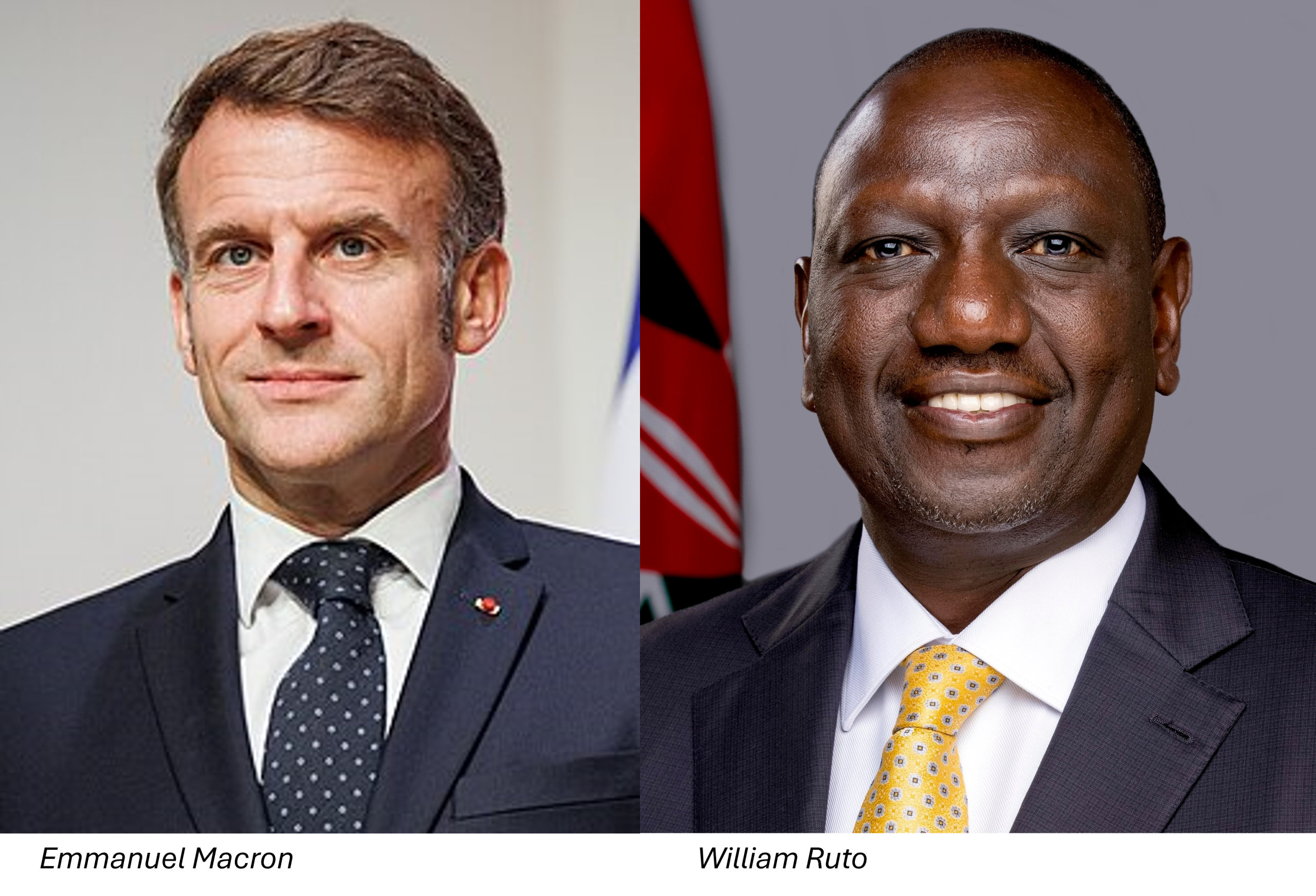
Macron and Ruto Host Africa Forward Summit in Nairobi
French President Emmanuel Macron and Kenyan President William Ruto recently co-hosted the Africa Forward Summit in Nairobi, aiming to reshape relations between France and African nations. This gathering highlights the evolving dynamics in the partnership, as explored by Michael Olugbode, who reflects on its implications for both France and Africa now and into the future.
Complex Legacy of France-Africa Relations
More than 60 years after formal decolonization, the relationship between France and Africa remains one of the world’s most intricate and significant international collaborations. Originating from colonial ties, this connection has transitioned into forms of political alliances, military partnerships, economic dependencies, and cultural exchanges. Recent years have also witnessed growing tensions related to sovereignty and influence.
Currently, this entrenched relationship appears to be at a pivotal juncture.
A Shift Towards Equality and Co-Investment
At the Africa Forward Summit, co-hosted by Macron and Ruto, leaders from both regions sought to redefine the African-French partnership with a focus on equality, co-investment, sovereignty, and shared prosperity. This summit was particularly notable as it took place for the first time in a major English-speaking African nation, contrasting with earlier summits held in former French colonies. This shift signifies a conscious change in France’s policy toward Africa.
However, while the language of partnership resonates with optimism, it raises deeper questions about whether France can reshape its relationship with Africa without acknowledging its historical legacy. The enduring impact of colonialism and the influence of post-independence regimes must be part of this discussion.
Historical Context and Contemporary Skepticism
The historical context of France-Africa relations is critical. Following the independence movements of the mid-20th century, France maintained substantial political, military, and economic power over numerous former colonies through mechanisms such as military pacts, the CFA franc, and strategic resource control networks. This practice, often labeled as “Francafric,” has been criticized as a neocolonial structure.
In recent times, anti-French sentiment has gained traction in parts of West Africa, particularly in Mali, Burkina Faso, and Niger, where military governments have ousted French troops and challenged France’s role in regional security. These developments have brought heightened urgency to the discussions at the Nairobi summit, which aimed to signal a political reinvention.
Acknowledging New Realities
During the summit, Macron candidly recognized that France’s historic approach to Africa was no longer viable. He asserted that Africa is not seeking charity or paternalism from Europe, but rather, desires investment and collaboration. This sentiment marked a significant pivot from the long-established diplomatic framework that often viewed Africa merely as a recipient of aid and humanitarian assistance. Macron emphasized that Africa must be viewed as a vital partner in sectors such as innovation, technology, and energy.
The summit produced tangible commitments, including €23 billion in investments for Africa, with €14 billion sourced from French companies and €9 billion from African investors. This move indicates a desire for more meaningful economic engagement.
The Stance of African Leaders
African countries’ desire for equitable partnerships rather than dependency is echoing throughout the continent. The changing landscape is evident as African nations diversify their international relationships, building connections with global powers like China, Turkey, and India. President Bola Tinubu of Nigeria, during his speech at the summit, underscored the need for reforms in global financial systems to facilitate equitable growth. He warned that the current structures are stifling Africa’s industrialization and development.
Tinubu’s remarks emphasize a broader dissatisfaction with existing economic frameworks, calling for a shift away from raw material exports towards value-added manufacturing. Macron’s acknowledgment that Africa should transition to processing its own resources supports this goal.
Trust and Future Relationships
Despite the encouraging rhetoric at the summit, significant challenges remain, particularly regarding trust. Skepticism about France’s intentions persists among many Africans, who question whether the new strategy truly differentiates from past patterns of influence. The need for genuine partnership requires more than assurances; it necessitates structural change within the relationship.
Future Franco-African relations must be grounded in several principles, such as encouraging industrialization within Africa, supporting fair financial practices, and respecting the sovereignty of African nations. Many leaders, including Macron, emphasized the importance of moving beyond mere extraction to foster local processing and increased autonomy within the supply chain.
Fostering Human Capital and Digital Innovation
Africa’s most significant asset is its people, not just its natural resources. The summit witnessed an emphasis on youth, innovation, and digital technology as key drivers of the continent’s economic potential. France’s future role may involve strengthening educational partnerships, enhancing digital infrastructure, and facilitating opportunities for African talent.
In summary, while historical grievances remain, there is a clear path toward a partnership centered on dignity, mutual respect, and equitable economic collaboration. The Africa Forward Summit serves as a critical juncture, potentially heralding a new era where France acknowledges the importance of an equal partnership with African nations.
