


Challenges Persist for African Creatives Amid Global Afrobeats Success
Despite the global acclaim of Afrobeats on international streaming platforms, African creators are struggling to reap the financial benefits of their cultural contributions. The root of this issue lies in the deeply ingrained structural gaps and external ownership models that pervade the continent’s creative sectors. Industry leaders have cautioned that without immediate reform in intellectual property frameworks, robust local licensing systems, and a surge in domestic investment, Africa risks remaining a mere supplier of raw talent while foreign corporations siphon off substantial economic gains.
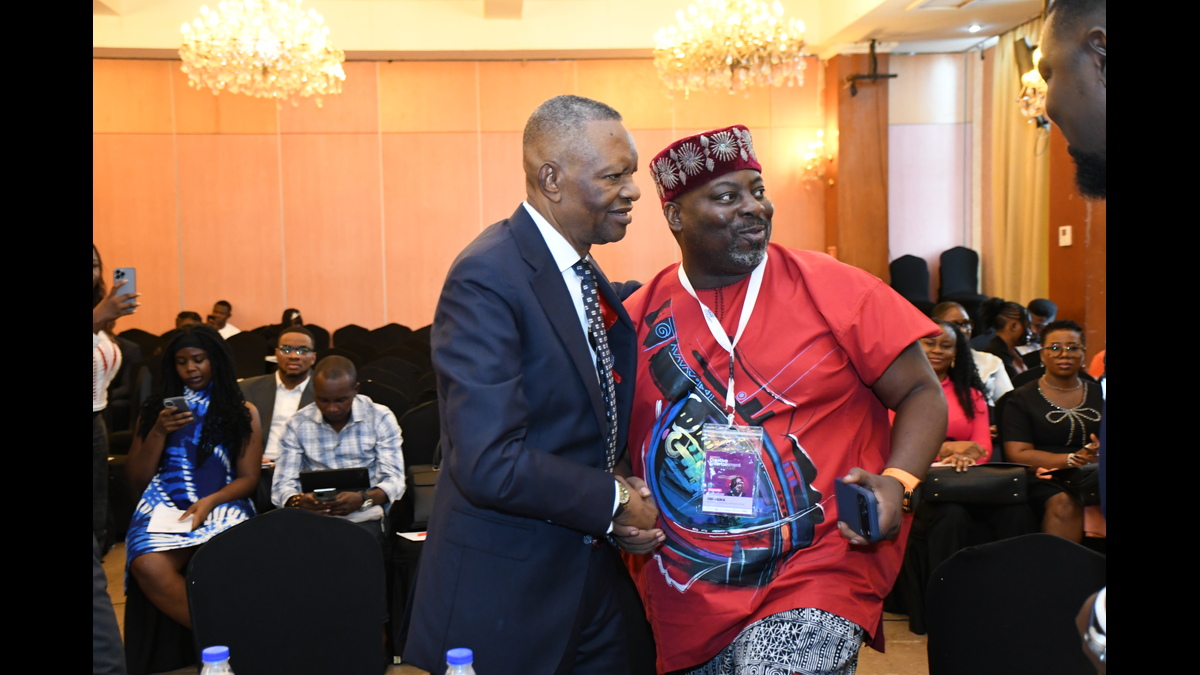
The consensus among industry experts at the BusinessDay Creative Entertainment Summit 2026 is clear: Nigeria’s creative industries must shift focus from merely basking in global recognition to implementing systems that help creators retain and enhance the economic value of their work. This pivotal event bore the theme “Ownership is the New Global: Monetizing the Power of Afrobeats through Equity, Transparency, and Strategic Scale,” uniting artists, investors, regulators, and creative entrepreneurs to explore how Africa’s entertainment sector can evolve into a self-sustaining business landscape.
Intellectual Property and Governance as Catalysts for Growth
In his opening remarks, Mr. Frank Aigbogun, Publisher of BusinessDay Media Limited, acknowledged the transformation of Afrobeats from a regional music genre into a global cultural phenomenon impacting fashion, digital content, and international entertainment. However, he raised critical questions about whether African creators are truly benefiting from the value derived from their creativity.
“While the world celebrates our creativity, important questions remain: Who really owns the value that is being created?” Aigbogun pondered. He highlighted that the future growth of Africa’s creative economy depends on enhancing intellectual property ownership, establishing transparent royalty systems, ensuring better governance, providing access to capital, and developing competitive creative businesses on a global scale.
Structural Deficiencies Undermine a Multi-Million Dollar Music Industry
Obi Ashika, Executive Director of the National Council for Arts and Culture (NCAC), emphasized that Nigeria’s music sector is not lacking in talent or audience; instead, it suffers from a frail industry structure and ownership discrepancies. Despite having a music industry for over 70 years, the sector has yet to establish the formal systems necessary to capture and sustain its value.
Ashika noted, “Nigeria itself does not have a problem with the music industry… But there are issues with ownership and architecture.” He explained that ownership extends beyond controlling 100 percent of an asset; it involves securing favorable deals that enable creators to retain a significant economic return. He also pointed out that Nigeria’s music economy is vastly underreported, with current estimates suggesting potential industry worth in the hundreds of millions of dollars.
Unlicensed Use of Music Erodes Potential Earnings
Ashika highlighted that while Nigeria’s music industry could approach a valuation of $600 million, the broader entertainment landscape, particularly nightlife, offers even greater potential. A recent study projects Lagos’ nightlife economy to be worth approximately $900 million in 2024, with nationwide figures sweeping into the billions.
“The worst part is that you’re making all this money and you’re not paying any fees,” he asserted, pointing to the absence of a licensing framework for businesses that commercially utilize music. Ashika stressed that establishments such as clubs and lounges must contribute to the creative economy through appropriate licensing fees and royalty payments. “The first thing to understand is that our music is not free. It belongs to someone,” he said, clarifying the ownership dynamics at play.
The Issue of Unregistered Intellectual Property and Foreign Control
Addressing the concern of unregistered intellectual property, Ashika warned that many creators are failing to earn income due to an inability to track their work effectively. He noted that while the international rise of Afrobeats presents a tremendous opportunity—with three Nigerian artists featured among the top ten most streamed globally in 2024—significant imbalances persist, with many assets that contribute to Afrobeats’ success held outside Africa.
“The artists who built Afrobeats globally are not the main economic beneficiaries of Afrobeats,” Ashika lamented. He urged for increased domestic investment that aligns with the capital, infrastructure, and expertise provided by international corporations.
Framework Initiatives for Sustainable Growth in the Creative Sector
The NCAC has outlined comprehensive initiatives aimed at rectifying existing gaps within the creative economy through intellectual property registration, industry data enhancement, creator support, and the establishment of institutional frameworks. These efforts include plans for a Nigeria Music Business Council, a Creative Economy Center of Excellence, and improved systems for licensing, publishing, and royalty collection.
Ashika posited that the ultimate objective is to evolve Afrobeats from a fleeting trend into a sustainable global industry, drawing comparisons to international creative frameworks like K-Pop, where companies diversify income streams through merchandise, fan experiences, and strategic licensing agreements.
