


Changes in Deportation Policies Affecting Minors
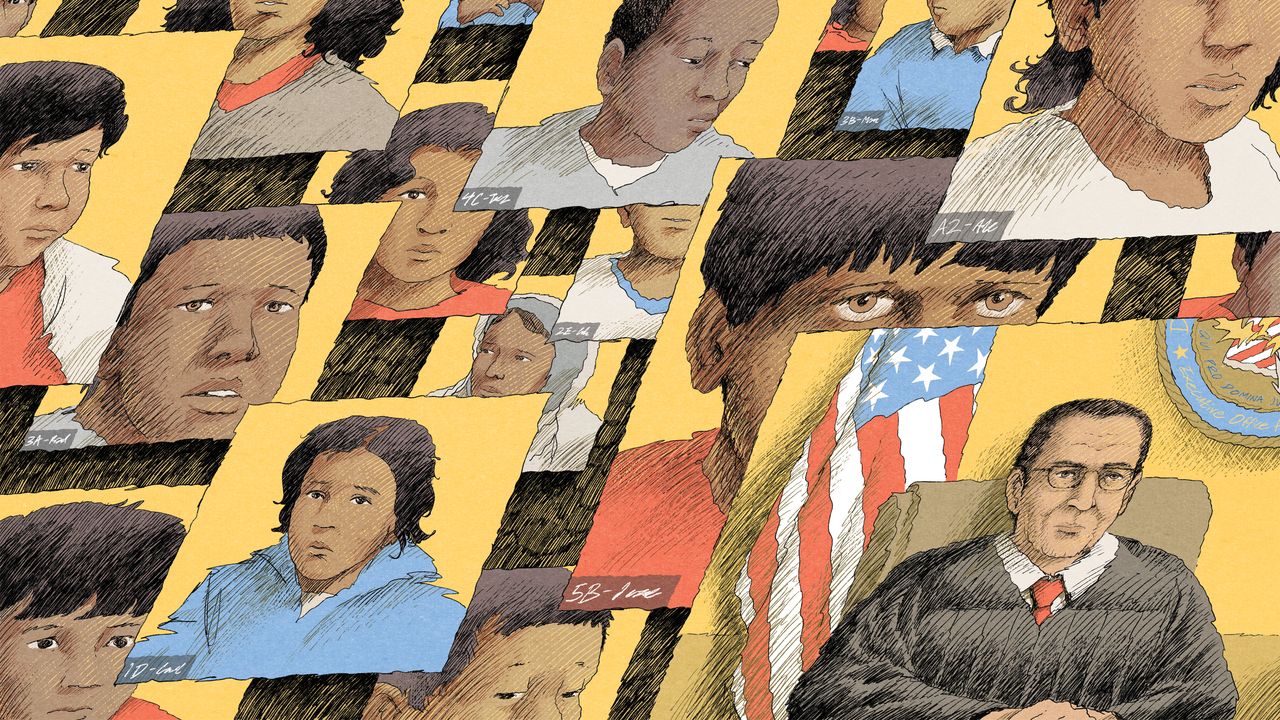
For nearly two decades, immigration judges have routinely granted minors a reprieve from deportation while their Special Immigrant Juvenile (SIJ) and asylum claims were being processed. This practice afforded young immigrants the necessary time to secure legal representation. Amiena Khan, a former chief immigration judge in New York City, emphasized that this policy was linked to the independence of judges in managing documents and making impartial decisions.
New Guidelines Challenge Minors’ Legal Protections
However, this trend has shifted significantly. In late 2022, the Justice Department’s Board of Immigration Appeals classified SIJ status as a “speculative” form of relief. Judge Sponzo has since adapted her sentencing practices accordingly, viewing SIJ and asylum claims as secondary to the core issue of court exclusion. This new perspective has left many immigrants and their attorneys struggling to advocate effectively for their cases. Meena Shah, managing director of legal services at the nonprofit organization The Door, pointed out that state courts have recognized these children as vulnerable and unsuitable for deportation, reflecting a similar stance taken by Immigration Services. Yet, in numerous SIJ cases, Judge Sponzo noted the absence of immediately available relief options, resulting in the expedited deportation of numerous teenagers.
Disruptions During Trump’s Administration
Throughout President Donald Trump’s tenure, various changes implemented in immigration courts have created confusion and procedural challenges for both judges and attorneys. Each month, fresh directives, precedent-setting cases, and mass staff reductions have resulted in chaos across the system. According to a White House spokesperson, the administration’s objective has been clear: to execute the largest legal deportation campaign in U.S. history against undocumented immigrants who have been convicted of crimes. Despite many of those affected lacking violent criminal records, they have become early targets of this initiative. Certain demographics, like Somali immigrants, faced expedited case resolutions, while unaccompanied minors have been subjected to adult procedures, despite established protections designed to safeguard them.
Concerns Over Due Process for Young Immigrants
The recent policy changes have raised significant concerns regarding the due process rights and overall welfare of these minors. Benjamin Remy, an attorney with the New York Legal Assistance Group, highlighted these issues while the Justice Department declined to comment directly on the requests for interviews. However, a department spokesperson did assert that the timely processing of cases involving unaccompanied alien children is a top priority, arguing that delays in the immigration court system adversely affect both valid claims and the interests of American citizens seeking to expedite the removal of individuals lacking credible claims.
Historical Context of Minors in Deportation Processes
Historically, the deportation of young people has fluctuated with shifting administrations. During President Barack Obama’s second term, the rapid increase in unaccompanied minors at the U.S.-Mexico border prompted a prioritization of their cases. Research conducted by Chiara Galli of the University of Chicago and Tatiana Padilla of the University of Minnesota indicated that around 50% of unaccompanied minors had their cases either terminated or voluntarily agreed to leave during Obama’s presidency. Under Trump’s first term, this number surged to 70%. However, during Joe Biden’s administration, when the surge of unaccompanied minors hit unprecedented levels, that figure dropped to 30%. This reflects a broader disturbance in judicial practices, as judges have been trained to postpone SIJ petitions.
Impact of Political Shifts on Asylum Policies
Upon Trump’s return to office in 2025, his administration reinstated restrictive measures on asylum seekers, including minors, and halted the Central America plan which aimed to pre-screen children for humanitarian relief before their journey. Funding cuts for pro bono representatives further complicated the landscape. Immigration adviser Stephen Miller described unaccompanied minors as children “trafficked” into the United States by Democrats. Consequently, the number of unaccompanied minors in the U.S. dwindled to under 2,000, down from approximately 7,000 in late 2024—a decline largely attributed to stricter border controls. A study by the Vera Institute of Justice reveals that those agreeing to voluntary removal has increased sevenfold under these stringent conditions.
