


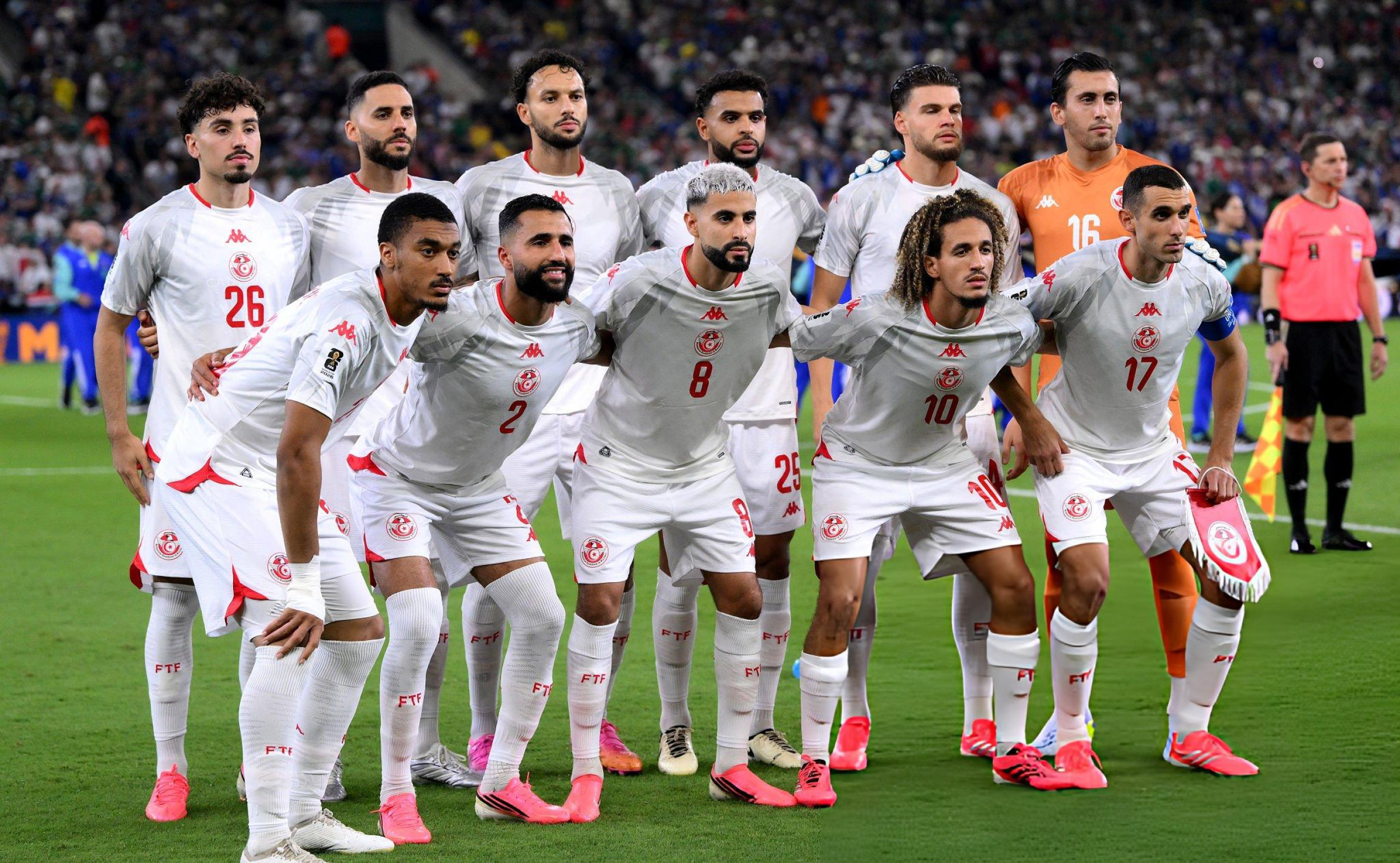
Tunisia has become the first African nation to face elimination from the 2026 FIFA World Cup, following a devastating 4-0 loss to Japan during the 1,000th match of this historic tournament in Monterrey, Mexico. The defeat marked a continued downward spiral for the Carthage Eagles, who struggled against a superior Japanese side, resulting in their second consecutive early exit from the competition.
Japan’s scoring prowess was on full display as Daichi Kamata and Ayase Ueda, who netted two goals, along with Junya Ito, contributed to the resounding victory. This win propelled Japan closer to securing a spot in the knockout stages, while Tunisia faced a humiliating end to their World Cup dreams, making them the second team, after Haiti, to be eliminated from this year’s tournament.
Historic milestone overshadowed by disappointment
The match initially held promise, marking a significant milestone—the 1,000th match in FIFA World Cup history. Unfortunately for Tunisian fans, it quickly turned into a night to forget. Japan wasted no time, scoring within the first four minutes. Keito Nakamura made a key run into the penalty area, setting up Daichi Kamata for a quick opening goal, which also became the fastest World Cup goal scored by a Japanese player.
By the 31st minute, Ayase Ueda doubled Japan’s lead, capitalizing on an error in the Tunisian defense and smashing a shot past keeper Bashir Ben Said. Tunisia’s hopes for a comeback quickly faded when Ueda turned provider in the 69th minute, assisting Junya Ito for Japan’s third goal. Ueda later sealed Japan’s triumph with a second goal, marking a historic achievement for the nation as they recorded the largest World Cup win for an Asian Football Confederation country.
New management struggles to inspire change
This match also debuted Tunisia’s new head coach, Hervé Renard, who took over earlier in the week following the departure of Sabri Lamouchi. Expectations were high for an immediate turnaround, but Renard’s pre-match caution that “there are no magicians in football” proved prescient. Despite hopes for an improved performance after their previous defeat against Sweden, Tunisia displayed a lack of urgency and cohesion on the field.
Japan’s goalkeeper, Zion Suzuki, remained virtually untested throughout the match, indicative of Tunisia’s disarray and loss of traditional fighting spirit. The team appeared unprepared and lacked the tenacity expected at this elite level of competition.
Japan’s tactical execution earns praise
In stark contrast, Japan’s head coach, Hajime Moriyasu, commended his players for executing their game plan flawlessly. He acknowledged the aggressive approach that led to their victory, noting that the preparations had been thorough and well articulated. Moriyasu also expressed gratitude to the Japanese supporters who created an encouraging atmosphere in Monterrey.
Tunisia’s World Cup campaign records unwanted history
With two losses under their belt, Tunisia currently sits at the bottom of Group F, having scored just one goal while conceding nine. Their goal difference of minus-eight represents the worst ever recorded by an African nation after two World Cup matches. Tunisia’s heavy defeats—losing by four goals in both matches—marked them as the first team since Greece in 1994 to face such an onslaught at this stage.
The current group standings show Japan and the Netherlands leading with four points each, followed by Sweden with three, while Tunisia is left with none—officially out of contention for the knockout rounds. A final match against the Netherlands looms, with Tunisia hoping to avoid further embarrassment as they aim to salvage some pride.
Internal turmoil compounds on-field woes
Off the pitch, Tunisia’s struggles reflect deeper issues within the squad, marked by reported discord among players and staff that reportedly contributed to Lamouchi’s resignation. Renard had urged unity and focus, but internal strife remains palpable. Veteran defender Ali Abdi voiced concerns, apologizing to supporters while calling out the environment of confusion surrounding the team.
His candid remarks hinted at the turmoil within the squad, mentioning the absence of seasoned players and highlighting the difficulties posed by frequent changes in coaching and tactics. This discord has undermined their preparations and performances on the world stage.
Coach admits need for improvement
Post-match, Renard acknowledged the team’s significant shortcomings, admitting dissatisfaction with their performance. He pointed out the defensive lapses that led to critical goals against Tunisia, while also addressing the series of individual mistakes that compounded their issues. As Tunisia looks ahead to their final game, the emphasis will be on restoring pride and avoiding a legacy as the worst-performing African team in World Cup history.
Although their World Cup journey may have ended early, the upcoming match against the Netherlands offers a last chance for Tunisia to reassert themselves and begin rebuilding for future competitions.
