


The Complex Narrative of Racism and Identity in Mexican Soccer
On a March evening in Guadalajara in 2024, Club América dominated the highly-anticipated El Clasico Nacional. Julián Quiñones, the team’s star player, celebrated a well-deserved goal, only to be met with shouts of racial slurs from the stands. The crowd echoed chants of “Puto Negro,” followed by monkey sounds, capturing a painful scene familiar to followers of Mexican soccer. As cellphone footage circulated, commentators dissected the incident in the aftermath, and officials condemned the outcry, initiating a familiar cycle in Mexican sports culture.
Despite the uproar, the season moved forward. Laced with transfer rumors and refereeing controversies, Quiñones eventually transferred to Saudi Arabia’s Al Qadosia, where he quickly became the league’s top scorer. The racial incident faded into the background, overwhelmed by the constant ebb and flow of soccer dramas.
A Shift in Public Sentiment
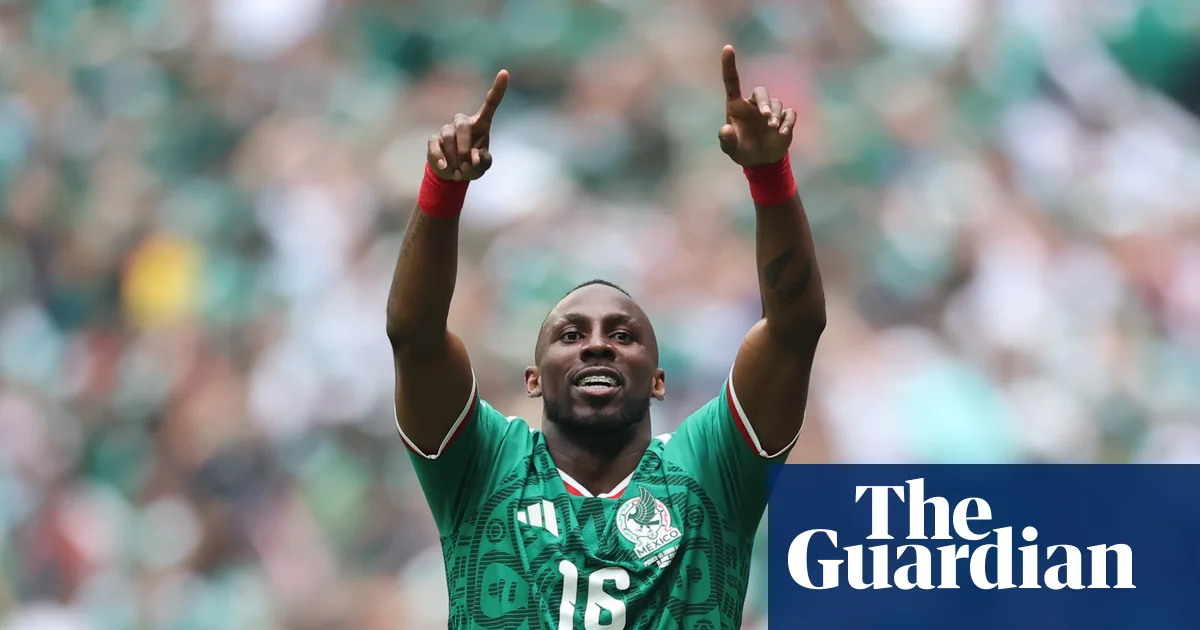
Fast forward less than two years, and Mexican soccer witnessed another powerful moment, this time filled with celebration. On June 11, Quiñones scored Mexico’s inaugural goal at the 2026 World Cup, heralding the nation’s first opening victory at home in four decades. As tens of thousands erupted in cheers and TV commentators lauded him, images of the striker draped in the Mexican flag flooded social media—a stark contrast to the public vilification he previously faced.
Recently, Quiñones returned to the same Guadalajara stadium where racial slurs once marred his experience. Fans turned out in droves, sporting Mexican jerseys and oversized sombreros, chanting affirmations of his newfound identity: “Quiñones, Hermano, hey, you’re a Mexican!” While met with enthusiasm, the welcome was tinged with uncertainty. This chant is typically reserved for foreigners who express a connection to Mexico, reflecting lingering complexities regarding national identity.
Confronting National Identity
The juxtaposition of these moments highlights the struggles Mexico faces in defining its national identity. Karma Fryerson, a black studies professor at the University of Rochester, points out that the discourse surrounding Quiñones’ goal and his racial identity brings to light the deep-seated expectations regarding the appearance of Mexicans. “There’s a dissonance,” she explains, noting the surprise people exhibit when they see a player who embodies a different representation of Mexican identity.
At 29, Quiñones, born in Colombia, arrived in Mexico in 2015 and naturalized as a Mexican citizen in 2023. His emergence on the national stage invites probing questions about race, heritage, and identity that Mexico has largely sidestepped. Who qualifies as Mexican? The future of the national soccer program suggests an expansive answer that transcends geographical borders.
The Evolution of Soccer’s Talent Pool
In the 20th century, national soccer squads primarily drew players from domestic territories. However, the current landscape has shifted. Today, the Mexican talent pool thrives in transnational contexts shaped by immigration and familial ties. The Mexican Football Federation increasingly finds fertile ground for emerging talent not solely within Mexico, but also in California and Texas. A new generation of Mexican-American players is making waves, including young black talents like Antonio Leone and Davian Kimbrough, both born in the U.S. to Mexican mothers and African-American fathers, now representing Mexico’s youth teams.
Racism and Its Underlying Fabric
Recent stars like the Dos Santos brothers—a duo with Afro-Brazilian heritage—and Melvin Brown, of Jamaican descent, have also graced the national team. Yet none fit the conventional stereotypes often associated with Mexican identity. Fryerson notes that historical dialogues about race remain largely absent in Mexican society, where the discourse around mestizaje—the blending of indigenous and European heritage—has historically dominated. This narrative, though appealing, often glosses over the complexities of racial identity.
Racism remains a persistent issue, as evidenced by incidents in Liga MX, where black players, including Darwin Quintero, have faced discrimination. Despite investigations by the Mexican Football Federation, accountability remains elusive. Quiñones himself initially downplayed the racism he encountered, vowing to protect his daughters from online harassment while emphasizing the strength required to withstand such vile commentary.
The Possibility of Change
As the 2026 World Cup unfolds, the presence of a black player on Mexico’s team serves as a potential catalyst for a broader cultural reckoning around race. Players coming back from U.S. leagues are bringing fresh perspectives. Jonathan Dos Santos remarked on his positive experience in the U.S. compared to the bigotry he faced abroad. “I think a lot of countries need to learn from the United States about respect for athletes,” he stated, potentially paving the way for a refrain of respect and understanding within Mexican soccer.
A discussion about race at the national forefront could lead to a re-examination of Mexico’s rich history, including its African roots. Descendants of enslaved Africans contributed significantly to the nation’s early development, with figures like Vicente Guerrero and José María Morelos representing pivotal elements of the independence narrative—albeit their heritage often goes unacknowledged.
In this light, Mexican soccer embodies a vibrant diversity that challenges prevailing stereotypes, while simultaneously emphasizing the persistent realities of racism. As the national team evolves, its representation reflects the multifaceted nature of Mexican identity, reminding fans that the nation’s narrative is as rich and varied as its players.
