


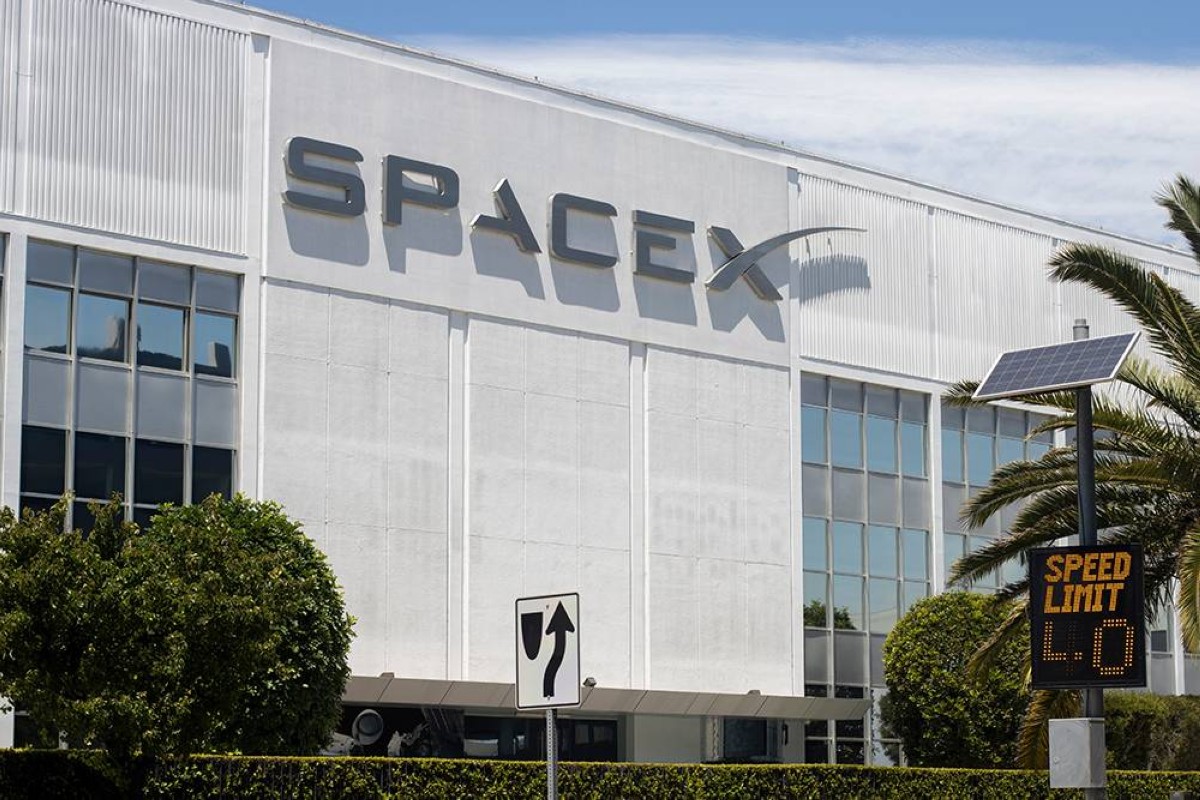
SpaceX Enters the Bond Market with Senior Unsecured Debt Offering
Elon Musk’s innovative space and technology enterprise, SpaceX, has made a significant foray into the bond market. On Monday, the company announced its first senior unsecured debt offering, marking a historic move as it issues investment-grade dollar debt for the first time.
Record IPO Fuels Bond Market Ambitions
This announcement follows SpaceX’s impressive $75 billion initial public offering (IPO) in mid-June, where shares were sold at $135 each. This IPO valuation propelled the company to approximately $1.77 trillion, positioning it among the most valuable publicly traded firms globally since its founding.
Strategic Timing for Bond Issuance
According to the filing, the issuance of the Notes depends on prevailing market conditions and other variables. The timing of this move coincides with SpaceX securing strong investment-grade credit ratings earlier in June (Baa1 from Moody’s, BBB+ from Fitch, and BBB from S&P), reflecting the company’s robust cash position and the expanding Starlink business.
Leading Investment Banks Rally to Support the Offering
Major financial institutions, including Bank of America, Citigroup, JPMorgan Chase & Co., Goldman Sachs, and Morgan Stanley, are poised to lead the deal. Initial interest from investors is believed to have surged around June 23. While final details concerning size, interest rates, and maturity are still being ironed out, estimates suggest the offering could exceed $20 billion.
Funding AI Initiatives Beyond Refinancing
Pivotal to this fundraising effort is the refinancing of a previous $20 billion bridge loan, which was secured in February to facilitate the acquisition of Musk’s AI startup, xAI. As of June 19, SpaceX reported an impressive $100.8 billion in cash and cash equivalents, providing the company significant financial flexibility despite the increase in borrowing.
A Focus on Artificial Intelligence Development
However, this financial maneuvering transcends simple refinancing. SpaceX is preparing for a substantial commitment to artificial intelligence, bolstered by its acquisition of xAI, which has introduced advanced AI functionalities such as the Grok chatbot. Musk has outlined ambitious plans, including establishing orbital data centers to optimize the energy and cooling needs of AI systems in space, thereby surpassing terrestrial facilities.
Long-term Borrowing Strategy to Pursue Growth
The bond sale signals the commencement of a long-term borrowing strategy, enabling SpaceX to raise capital while preserving ownership, contrary to diluting shareholder value through stock sales. Given its investment-grade status, borrowing costs are expected to remain relatively low compared to riskier junk bonds.
Investor Optimism Amid Challenges
This approach echoes the strategies employed by major tech companies in the AI sector. Firms like Nvidia have leveraged the bond market extensively to fuel growth, and now SpaceX enters this landscape with proven rocket technology, a burgeoning satellite network, and deeper AI integration. While investor sentiment remains positive due to the company’s solid cash reserves and diverse investments, there are still risks, including the uncertainties of AI development and technical challenges associated with space initiatives.
Shaping the Future Through Innovation
SpaceX’s recent bond market entry illustrates the significant role private innovation plays in shaping the future. The company’s future endeavors could potentially enhance global satellite internet access, push the boundaries of AI, and revolutionize space-based computing. Musk’s vision for a multiplanetary future powered by intelligent systems is gaining momentum, reinforced by strategic financial decisions aimed at achieving groundbreaking advancements in AI and space exploration.
