


Reflecting on Immigration and Identity in America
As the United States gears up for its 250th anniversary, we are reminded of the diverse experiences and aspirations that have shaped the nation. Immigration has been a cornerstone of America’s identity since its inception, continually redefining notions of belonging. This list delves into the immigrant experience and examines how immigration policies have impacted the quest for citizenship.
Exile and Creative Expression in Art
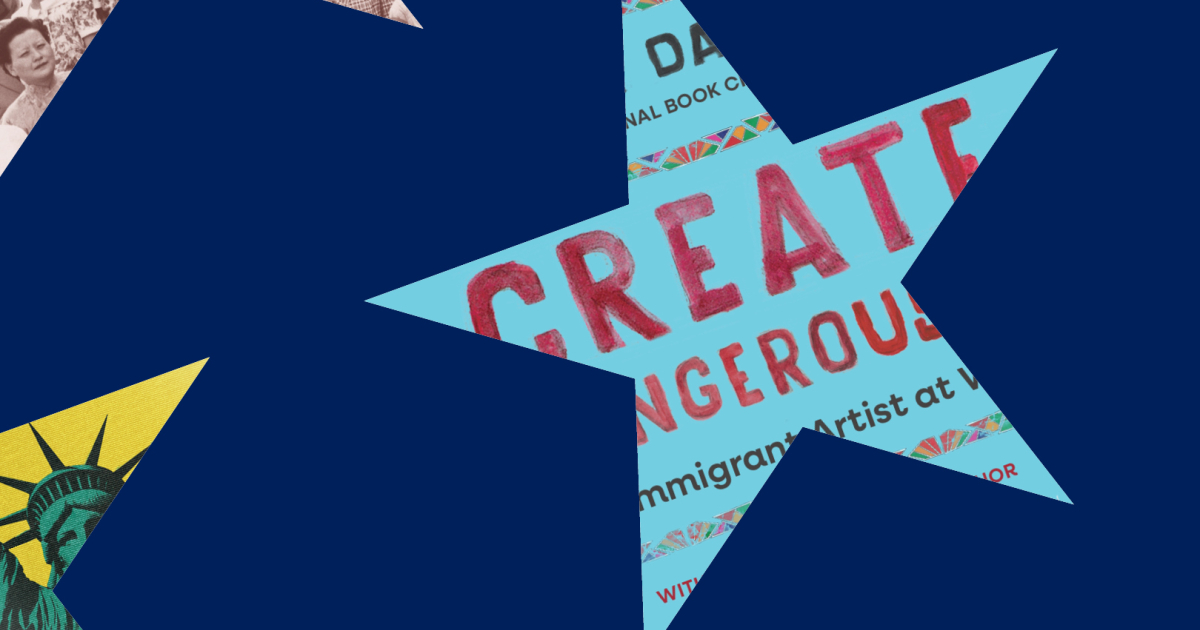
In her poignant work, acclaimed Haitian-American author Edwidge Danticat offers a deeply personal exploration of art and exile, reflecting on what it means to be an immigrant artist from a crisis-ridden homeland. Drawing inspiration from Albert Camus’s lecture “Dangerous Creation,” Danticat melds memoir and essays to highlight the narratives of artists who persevere through the anguish of displacement.
The Legacy of Slavery and Economic Evolution
The histories of slavery in the United States and Brazil reveal much about the economic landscape of the 19th century, with both nations entangled in this brutal institution. In “The American Mirror,” Roberto Saba investigates how reformers in both countries collaborated to ensure that emancipation ultimately served the interests of capital, despite the ruling elites’ fears about its potential consequences.
The Construction of the “Illegal Alien” Identity
This book navigates the origins of the term “illegal alien” in American law and society, offering insights into how illegal immigration became a dominant topic within U.S. immigration policy. Mae Ngai meticulously outlines the restrictive legal framework that emerged in the 1920s, highlighting its long-term implications for citizenship, race, and state authority, while revealing how immigration quotas have reshaped societal divisions.
A Historical Perspective on Deportation Practices
The troubling realities of deportation, detention centers, and border security have renewed discussions around immigration and national identity in contemporary America. “The Deportation Machine” offers a comprehensive history of the U.S. government’s relentless efforts to intimidate and deport immigrants over the past century. This insightful book sheds light on one of today’s most critical social and political dilemmas.
Artistic Innovation Amidst Social Struggles
New York City’s Lower East Side, famously dubbed “the other half” by Jacob Riis, has long been a hub for artistic experimentation. Sarah Blair chronicles how this neighborhood became a foundation for pioneering photography, film, and literature, showcasing how image-makers and social reformers collectively reshaped America’s cultural landscape.
Understanding Citizenship Through the Lens of Jewish History
The narrative of Jewish immigration to the United States is often simplified, focusing on immediate citizenship and rights. In “Who Are Americans?”, Lila Corwin Berman challenges this assumption by examining the evolving nature of citizenship laws and the experiences of Jews over the 20th century, revealing a more complex history of legal rights and societal acceptance.
Immigrant Detention and Systemic Inequalities
As U.S. Immigration and Customs Enforcement (ICE) detains thousands of immigrants nightly, the exploitation of local jails for immigration detention has continued for over a century. In “The Migrant’s Jail,” Brianna Nofill explores the intricate relationship between immigration policy and the criminal justice system, arguing that immigrant incarceration is not merely a byproduct of mass incarceration but a key aspect of state-building that has evolved since the early 20th century.
