


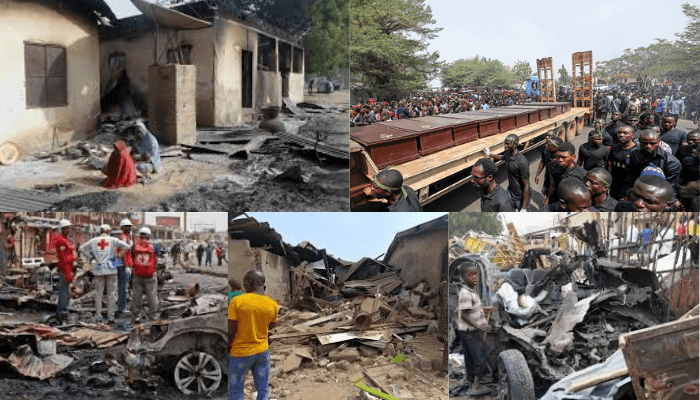
Nigeria Faces Unseen Conflict with High Human Cost
Nigeria is grappling with an ongoing conflict that remains largely unrepresented in global media, surpassing even the widely reported Russia-Ukraine war in human casualties. According to the Office of the United Nations High Commissioner for Human Rights, the verified death toll in Ukraine stands at approximately 16,000 civilians. In contrast, a report by the International Civil Liberties Union and Rule of Law, cited by Vanguard News on March 22, 2026, reveals that over 190,150 Nigerians have lost their lives to violence from bandits, Boko Haram insurgents, armed herdsmen, and various unknown attackers from July 2009 to March 19, 2026, a figure that far exceeds Ukraine’s casualties.
Longstanding Security Challenges in Nigeria
Since 2009, Nigeria has been embroiled in a struggle against escalating insecurity, characterized by a reactive approach to national security. Attack responses are initiated after incidents occur, with military mobilizations following only after demands for investigations and results. Unfortunately, many cases lack definitive conclusions, and not all victims, such as the Chibok girls and countless others abducted in localized kidnappings, have been recovered. Despite the considerable allocation of N34.5 trillion to defense and security from 2009 to 2026 and the dismissal of service chiefs, thousands of Nigerians continue to suffer from kidnappings and violence, highlighting a critical failure to fulfill the state’s fundamental duty of ensuring citizens’ safety.
Policy Responses to Insecurity
In an attempt to address this crisis, Nigerian policymakers have opted for convenient but insufficient solutions. The establishment of a state police force, for instance, lacks clear institutional frameworks for effective operation within Nigeria’s complex socio-political landscape. While decentralizing policing to local governments is essential for long-term security, it cannot serve as an immediate remedy to our persistent insurgent threats. Similar challenges are evident in the power sector, where only a few states are effectively utilizing the 2023 Electricity Act to decentralize power distribution. While welcoming the creation of state police forces, it’s essential that federal authorities maintain oversight under Section 153 and the Third Schedule of the 1999 Constitution to prevent potential misuse for partisan purposes.
Need for Accountability in Security Operations
Experts advocate for a more comprehensive approach to addressing security issues, emphasizing the necessity for internal audits of security agencies. Enhancing accountability in procurement processes and ensuring that military resources reach the front lines are critical steps. A concerted effort is needed to root out corruption, ensuring that defense and security funds are effectively employed to boost operational capabilities. Additionally, robust counterintelligence operations must be implemented to address internal sabotage. The reintroduction of stringent penalties for serious crimes, modeled on earlier military regimes, may serve as a deterrent against criminal activity.
Leveraging Technology for Enhanced Security
To combat insecurity effectively, Nigeria must embrace modern technological solutions. The federal government’s mandate for SIM-NIN collaboration in 2020 aimed to enhance public safety through better tracking of criminal activities. However, while such systems are being developed, criminal organizations continue to innovate, utilizing advanced communication technologies. Addressing this gap requires a strategic integration of technology into security operations, empowering agencies to identify and neutralize threats more effectively. Establishing surveillance and enhanced security presence in communities can significantly contribute to restoring public safety across the country.
Urgent Response Required to Address National Insecurity
No nation is entirely free from security challenges, yet Nigeria faces an urgent need for a decisive response to its worsening situation. The increasing loss of innocent lives and the toll on security personnel underline the necessity for swift action against non-state actors. As security agencies ramp up efforts against criminal elements, it is equally important to recognize and commend the bravery of personnel who risk their lives while serving our nation.
A Call for Collective Responsibility
The resolution of Nigeria’s security issues requires a collaborative effort from all sectors of society. It is a shared responsibility to advocate for a safer environment for all citizens. Strengthening security measures, fostering community engagement, and ensuring accountability at all levels will be essential in reclaiming stability for the nation. Continued vigilance and dedication to safeguarding human life should remain the core focus as Nigeria navigates these tumultuous times.
