


In Fort Worth, Texas, a federal court sentenced eight protesters linked to Antifa to significant prison terms on Tuesday, following a July 4 shooting outside a Texas immigration detention facility that left a police officer injured. Federal prosecutors characterized the incident as an act of terrorism.
Among those sentenced was a former Marine Corps reservist whose actions during the demonstration resulted in a maximum sentence of 100 years in prison. This case has sparked widespread debate about the implications for protest rights and the treatment of political dissenters in the U.S.
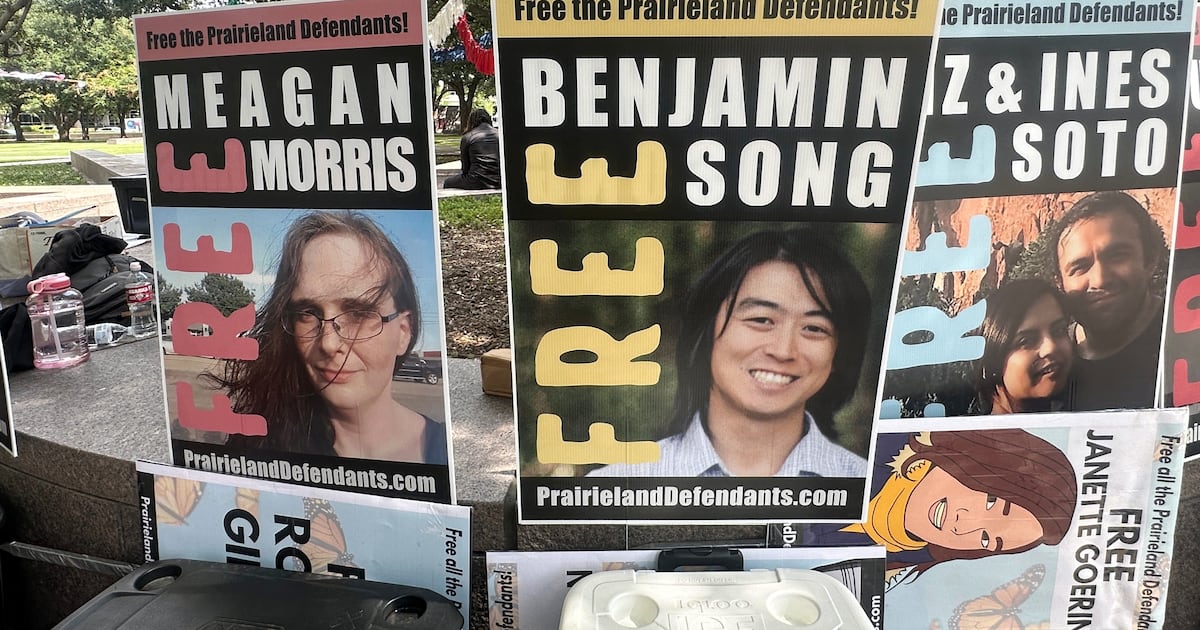
Supporters gathered outside the federal courthouse to express their dissent over the lengthy sentences. Hope Song, the mother of Benjamin Song—who received the harshest punishment—fervently contested the prosecution’s claims, insisting that her son never intended to harm anyone during the protest.
U.S. District Judge Reed O’Connor referred to the events as more than a protest; he deemed it an “attack on democracy,” emphasizing the necessity for stringent repercussions against such actions. Following the judge’s comments, seven other protesters received prison sentences ranging from 30 to 70 years.
Prosecutors portrayed the defendants as part of Antifa, an umbrella term for various left-leaning extremist factions opposing neo-Nazi and white supremacist groups. The Trump administration previously targeted Antifa, classifying the organization as a domestic terrorist group through an executive order, despite a lack of comparable listings on the State Department’s list of foreign terrorist entities.
The defendants have consistently denied affiliations with Antifa, maintaining that their demonstration was intended as a peaceful display in support of detained immigrants. Prosecutor Frank Gatto urged for harsher sentences, asserting that individuals with such extremist ideologies should face substantial prison time, as they view violence as a justified means to their ends.
In court, the defense argued against the idea of their clients as extremists. Defense attorney Philip Hayes maintained that the group comprised compassionate young individuals seeking to voice their ideals. He specifically pointed out that Mr. Song’s intention was far from violent, claiming the shot fired was merely “suppressing fire” and that the bullet hit the officer incidentally after he drew his weapon. Mr. Song’s legal team plans to appeal the 100-year sentence, focusing on his character and previous conduct as a former Marine and diligent student.
Family members of other defendants similarly requested leniency during the hearings. Autumn Hill characterized the rally as more akin to a festive gathering rather than a breeding ground for violence, emphasizing that attendees never anticipated harm or destruction. Moreover, Amber Rowley described her sister, Savannah Batten, as a devoted individual with aspirations of owning a bakery, underscoring her commitment to various humanitarian causes.
As others associated with the case continue to navigate the legal landscape, criticisms are emerging regarding the potential ramifications for future protests in light of First Amendment rights. Last week, federal prosecutors also charged 15 individuals in Minnesota for obstructing the Trump administration’s immigration enforcement, alleging connections to Antifa and collusion to hinder arrests and deportations.
Marcelo reported from New York. Associated Press journalist Kendria LaFleur contributed.
