


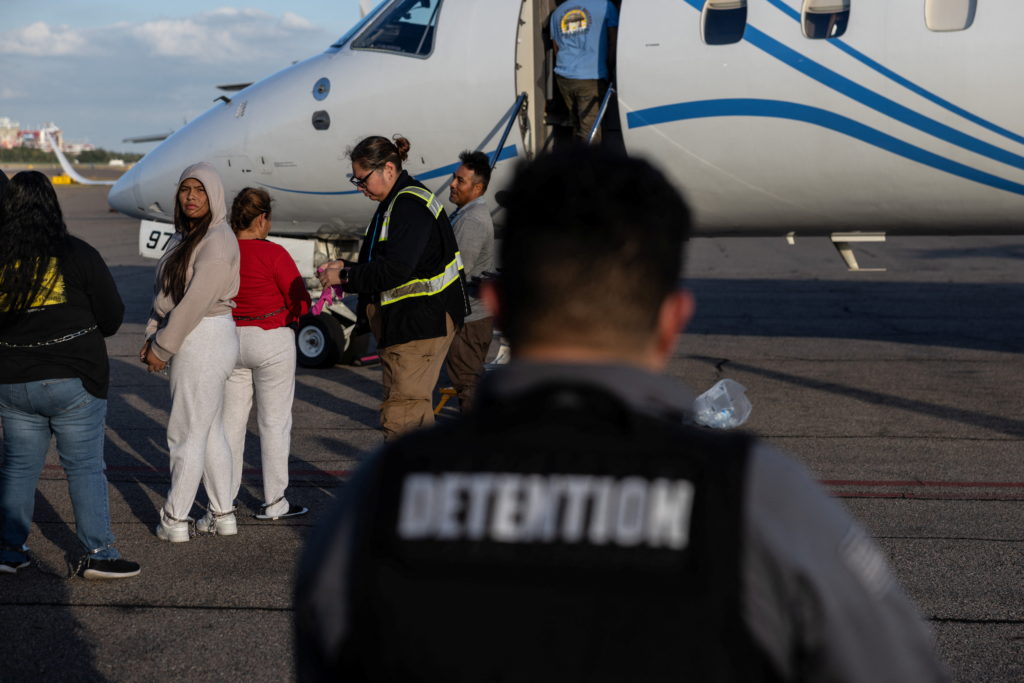
Insights on Trump’s Deportation Policy from a Dismissed Immigration Judge
In January, President Trump broadened the application of immigration laws to encompass all undocumented immigrants within the United States. Immigration enforcement personnel began detaining individuals from courts processing their immigration cases, initiating deportations within days.
Judicial Appointments and Panel Dynamics
Judge Walker and fellow panel member Neomi Rao, both appointed by Trump, comprised two-thirds of the panel; the third judge was appointed by former President Barack Obama. This mix of appointments illustrates the evolving dynamics within immigration law adjudications.
Legal Challenge to Expedited Deportation Procedures
In a recent ruling, Walker and Rao overturned U.S. District Judge Gia Cobb’s order, which had temporarily halted the expanded use of expedited removals. Judge Cobb, appointed by President Joe Biden, ruled in August that the administration had not established sufficient procedures to prevent the unjust removal of immigrants under these expedited processes.
Trump Administration’s Defense of Expedited Removal
The Trump administration contends that its expansion of expedited removals comes with safeguards against arbitrary deportations. In documents submitted to the court in October, Justice Department lawyers argued that Judge Cobb’s ruling undermines necessary measures to address the unprecedented surge in illegal immigration over recent years, equating it to a “serious mistake” that could potentially allow millions to remain undocumented in the U.S.
Impact of Judicial Decisions on Immigration Policy
This legal battle underscores the contentious intersection of immigration policy and judicial rulings. Each decision not only shapes current deportation protocols but also reflects broader societal attitudes and political ideologies surrounding immigration in America.
The Role of Fast-Track Deportation Processes
By facilitating expedited removals, the Trump administration aims to streamline the immigration enforcement process, claiming it as a response to a significant rise in undocumented immigration. Critics, however, argue that this can lead to unfair and hasty deportations, risking the safety and rights of many individuals who may not have access to proper legal representation.
Continuing Debate on Immigration Reform
The ongoing dialogue about the legitimacy and fairness of expedited removal practices highlights the need for comprehensive immigration reform. As more cases challenge the existing frameworks, the intersection of law, policy, and human rights continues to be a focal point for lawmakers and advocacy groups alike.
