


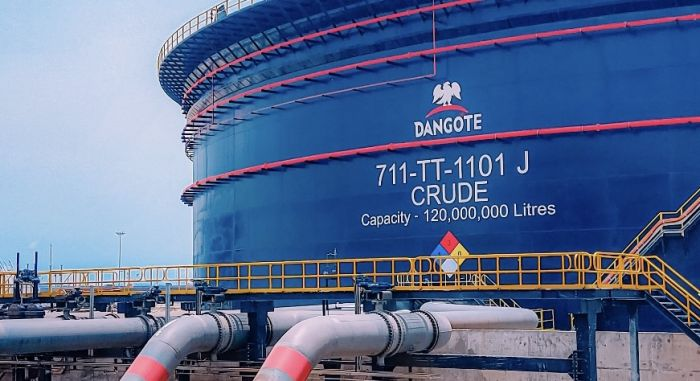
Dangote Oil Refinery Denies Allegations of Re-importing Products
Dangote Oil Refinery has rejected claims suggesting that petroleum products exported from its facilities are being re-imported into Nigeria through a ship-to-ship trading hub in Lomé, Togo. In a statement issued on June 23, the management described these allegations as a “web of lies” and emphasized that they lack support from trade data and commercial reasoning.
Rebuttal to Trade Allegations
The refinery’s response comes in light of reports indicating that refined products from Dangote were allegedly being returned to Nigeria via the Sea-to-Ship Transfer (STS) trading hub in Lomé. The company firmly dismissed these assertions, maintaining that they do not align with established trade flows or sound business practices.
Reasons for the Rejection of Claims
To substantiate its position, Dangote Refinery provided several reasons for deeming the allegations unfounded. These span commercial objectives, trade economics, compliance protocols, and a consistent commitment to bolstering local refining activities. The company pointed out that facilitating the re-importation of its products would detract from its goal of reinforcing its status as a key supplier of petroleum products in the Nigerian market.
Economic Viability Challenges
From an economic standpoint, Dangote argued that the logistics involved in transporting products from its refinery to Lomé and back to Nigeria would be prohibitive. Estimated logistics costs range from $82 to $90 per tonne, eroding profit margins and making such trades unappealing. The refinery maintains that it does not provide export discounts sufficient to offset these logistics costs, nor create viable arbitrage opportunities.
Commitment to Local Refining
Furthermore, Dangote has been a vocal proponent of reducing Nigeria’s reliance on imported petroleum products. It cautioned that an increase in imports would compromise local refining, strain the nation’s foreign exchange reserves, and hinder industrial progress. This advocacy highlights the refinery’s intent to foster sustainable growth within Nigeria’s petroleum sector.
Context of the Claims
The assertions regarding Nigeria importing fuel originally exported by Dangote were made by Matthew Tracey-Cook of S&P Global Commodity Insights during a webinar organized by the Major Energy Market Manufacturers Association of Nigeria (MEMAN). He indicated that even while advancements in supply from the Dangote refinery were underway, marketers continued to source products via Lomé.
Current Trends in Fuel Imports and Domestic Supply
The controversy arises as Nigeria’s gasoline imports witnessed a significant uptick in May 2026, despite improvements in domestic refining capacity. Average daily imports of Premium Motor Spirit (PMS) surged by 59.5%, reaching 5.9 million liters per day compared to 3.7 million liters in April, according to data from the Nigeria Midstream and Downstream Petroleum Regulatory Authority (NMDPRA). This trend indicates that marketers are still supplementing local demand with imports, although domestic refineries remained the primary source of gasoline supply during the month, averaging 41.5 million liters per day. This data suggests that nearly 88% of the total gasoline supplied nationwide in May originated from domestic refining, underscoring the increasing importance of local production in Nigeria’s fuel market.
