


Nigeria Discovers Significant Mineral Deposits in Kaduna State
The Nigerian government has announced the discovery of a world-class polymetallic mineral province in Kaduna State. This region is rich in platinum group metals, gold, nickel, copper, lithium, and rare earth elements.
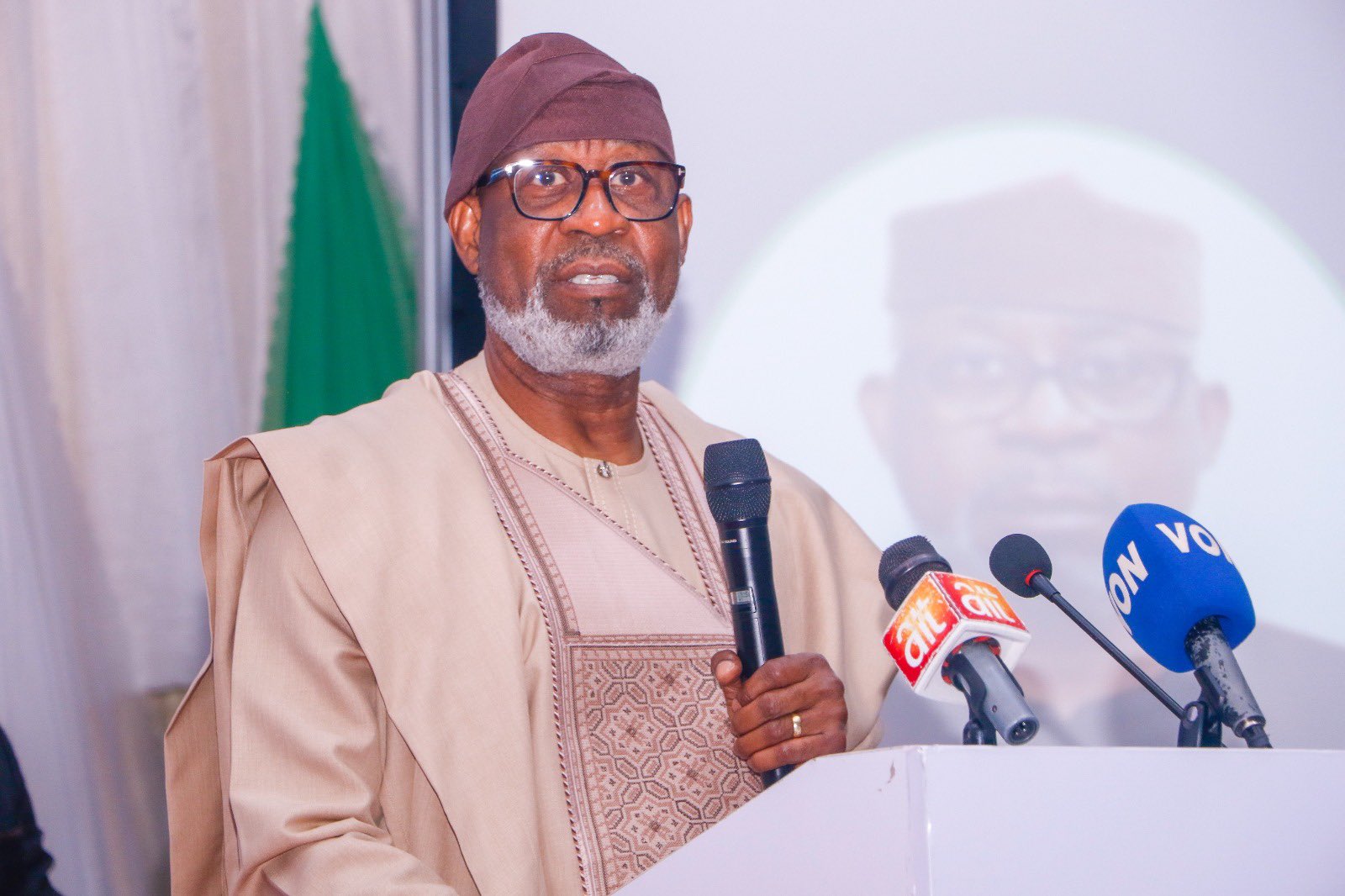
Dele Arake, the Minister of Solid Minerals Development, made the announcement during the opening ceremony of the 2026 African Natural Resources and Energy Investment Summit (AFNIS) in Abuja. He highlighted that this discovery, verified by the Nigerian Geological Survey Agency (NGSA), represents one of the most significant advancements in Nigeria’s mining sector in recent years.
The mineral province was identified through exploratory efforts conducted by a private company, in collaboration with the Geological Agency. Arake noted that this information is being shared publicly for the first time.
Emerging Market for Strategic Minerals
The minister emphasized that the newly discovered deposits include strategic minerals that are in high global demand, especially for clean energy technologies, battery production, and advanced manufacturing. He stated that Kaduna State is known for its substantial reserves of these vital minerals, positioning Nigeria as an emerging hub for strategic mineral resources and sustainable mining investments.
This discovery aligns with the federal government’s initiatives to reposition the mining sector as a key driver for economic growth and industrialization. Under President Bola Tinubu’s administration, the solid minerals sector has been prioritized as part of broader economic diversification efforts. These reforms aim to attract investment, strengthen regulatory frameworks, and boost local value addition in the industry.
Government’s Commitment to Mining Sector Reforms
To enhance transparency and efficiency in the sector, the government has canceled over 3,000 inactive and unproductive mineral titles. Minister Arake pointed out that the government is focused on reinforcing licensing discipline, improving compliance, and ensuring that mining licenses are held by capable operators.
In addition, the government is pivoting away from exporting raw minerals. Applicants for mining leases are now required to submit plans for on-site processing and value addition. This strategic shift is expected to foster investments in lithium processing facilities and mineral refining projects throughout Nigeria.
Significant Investment Projects in Mining
Among the notable projects mentioned by the minister is an $800 million investment in lithium processing, a $600 million facility in Nasarawa State, and a $200 million lithium plant near Abuja that is currently awaiting commissioning. Furthermore, a $1 billion iron ore-to-steel project is underway in Kogi State. Since the initiation of these reforms, revenues from the mining sector have experienced dramatic increases.
The annual revenue surged from approximately 6 billion naira prior to the current administration’s tenure to over 38 billion naira in 2024, with projections exceeding 70 billion naira by the end of 2025. Arake asserted, “Our revenue performance has improved significantly.”
Local Companies Showcase Mineral Potential
In a concurrent development, Steron Mining and Company Limited announced an estimated 3.3 million tonnes of lithium reserves during a site tour for summit attendees. Managing Director Abu Omar expressed that the tour aimed to highlight the involvement of indigenous companies in advancing Nigeria’s mineral sector.
Omar indicated that Steron Mining is currently engaged in both open-pit and underground mining operations, expanding beyond their original granite quarry activities due to the discovery of lithium deposits. The company is actively processing lithium ore locally before export, aligning with government policies that promote value addition.
Exploration Activities Confirm Extensive Mineral Resources
Company geologist Bello Damrak reported that exploration and drilling have confirmed total mineral resources at the site amounting to approximately 94.8 million tonnes. This includes the estimated 3.3 million tonnes of lithium reserves along with around 91.4 million tonnes of granite.
The Africa Natural Resources and Energy Investment Summit serves as a platform where government officials, investors, financiers, and industry stakeholders convene to discuss mining, energy development, infrastructure financing, and investment opportunities across the continent.
