


Supreme Court Decisions Bolster Trump’s Immigration Policies
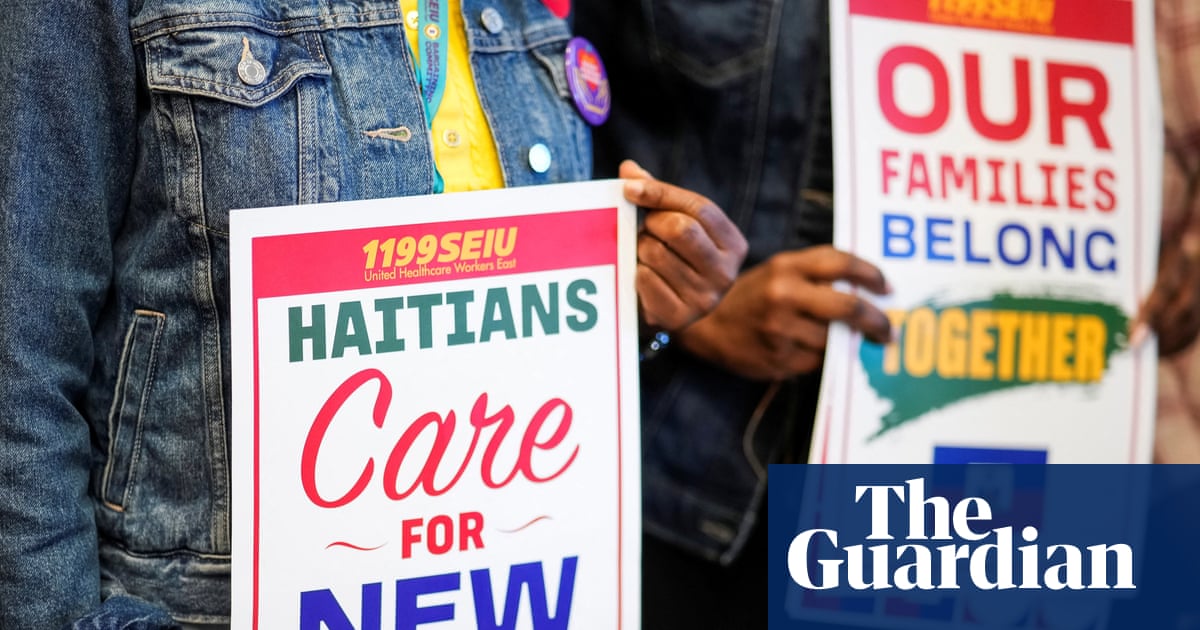
Recent rulings from the U.S. Supreme Court have provided a significant boost to Donald Trump’s agenda regarding immigration, raising concerns about the treatment of immigrants from Haiti, Syria, and other nations. On Thursday, the Court permitted the Trump administration to terminate humanitarian protections that have allowed these groups to live and work legally in the U.S. for over a decade. This sets the stage for the government to restrict asylum seekers at the U.S.-Mexico border by effectively barring their entry into the country.
Broad Discretion Granted to Immigration Officials
In addition to the termination of Temporary Protected Status (TPS), a ruling on Tuesday granted border officials expansive authority to deport lawful permanent residents, including green card holders, under vague legal definitions of “moral depravity.” This move underscores a troubling trend whereby the Supreme Court’s conservative 6-3 majority is effectively empowering the government to selectively enforce immigration laws that disproportionately affect people of color.
Immigration Policies Reflect Racial Bias
This week’s decisions are part of a wider pattern of new policies that aim to restrict immigration, especially from countries predominantly inhabited by people of color. A forthcoming court ruling could determine whether President Trump has the authority to deny birthright citizenship to children of temporary or undocumented immigrants born in the U.S., further complicating the immigration landscape for many families.
Exclusionary Measures Target Immigrant Communities
In authorizing the termination of TPS for hundreds of thousands of individuals, the Supreme Court has signaled a reluctance to confront the underlying racist and xenophobic ideologies that shape the Trump administration’s approach to immigration. Despite criticisms of Trump’s inflammatory rhetoric regarding Haiti, the Court has largely dismissed claims that such language is inherently racist.
Historic Roots of Nativism Resurface
Advisors to President Trump, such as Stephen Miller, have actively promoted a return to earlier nativist policies, harkening back to the restrictive immigration laws of the 1920s. These assertions have included derogatory descriptions of immigrants from non-Western countries, echoing sentiments aimed at reducing immigration from diverse backgrounds. The administration’s efforts have included limiting refugee admissions primarily to white South Africans while disproportionately affecting applicants from Africa and the Middle East.
Legal Permanent Residents At Risk of Expulsion
The recent rulings extend beyond new admissions; they also pose threats to individuals who have resided in the U.S. for years under legal status. A notable effect of the Supreme Court’s decision is that green card holders can now be subjected to scrutiny without substantial evidence of criminal behavior, placing them in precarious legal situations. Advocacy groups have expressed alarm, stating that the administration’s actions extend far beyond targeting undocumented immigrants to include those who have abided by immigration laws.
Calls for Legislative Action Amid Legal Setbacks
In response to these rulings, advocates are urging Congress to introduce more comprehensive protections for immigrant populations, particularly those from Haiti and Syria who are facing dire circumstances. The implications of these rulings could be severe for the estimated 350,000 Haitians and 4,000 Syrians currently protected under TPS, who have sought refuge from economic collapse, political turmoil, and civil unrest.
