


England Struggles Against Ghana Raise Defensive Concerns
England’s creative energy was once again muted in their match against Ghana, highlighting a recurring issue with the Three Lions in knockout tournaments. While the team performed well defensively, allowing only 0.87 expected goals (xG) across their initial matches, they faced scrutiny as key defensive lapses persisted.
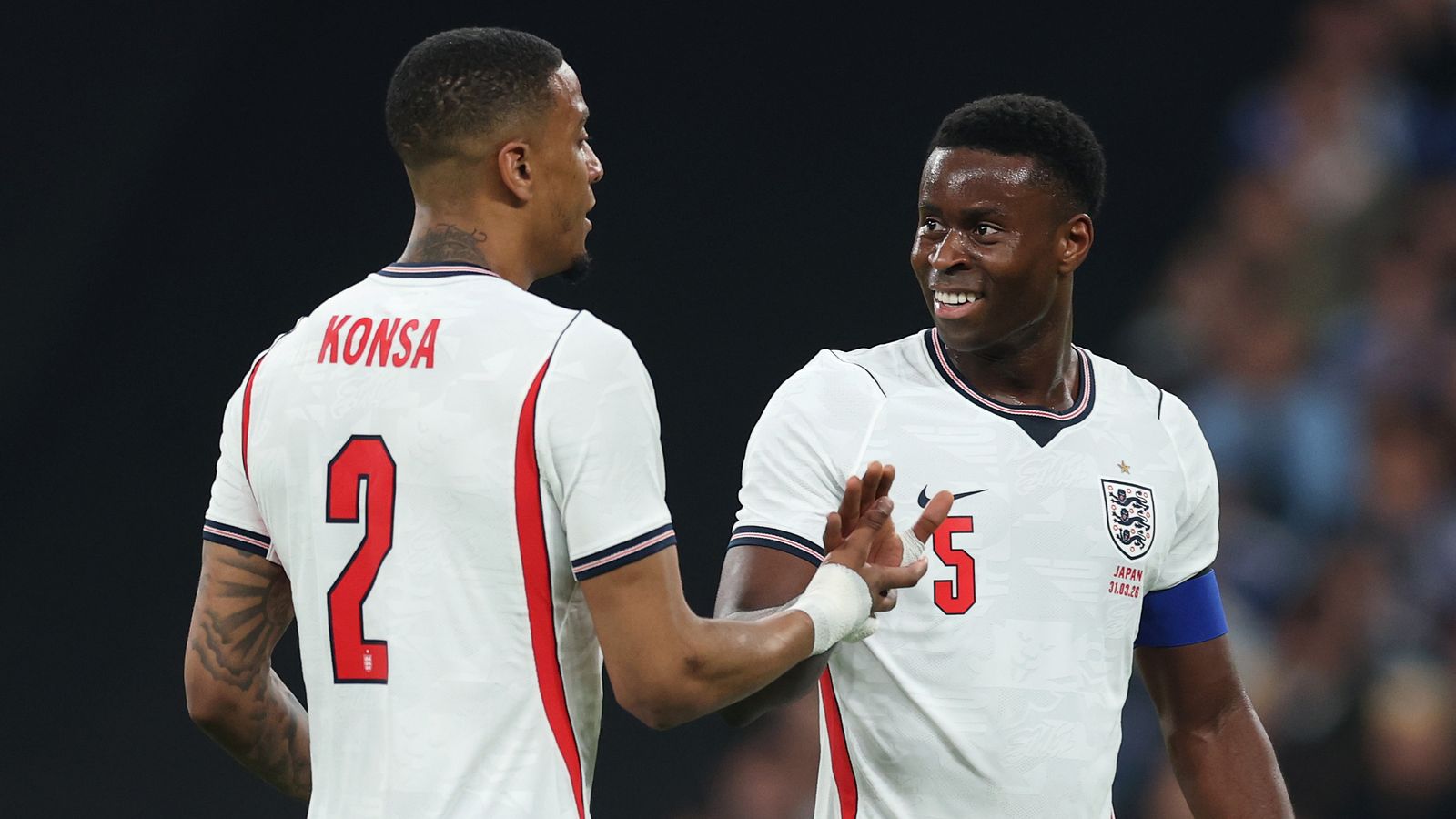
Despite conceding just one shot on target against Ghana, England was fortunate to escape a penalty for Ezri Konsa’s reckless foul on Prince Adu, which went overlooked by match officials. Ghana’s coach, Carlos Queiroz, expressed his frustration by questioning the functionality of VAR, underscoring the gravity of the mistakes made.
The match also revealed vulnerabilities within England’s backline. After a shaky first half against an aging Croatian side, Thomas Tuchel’s half-time adjustments seemingly revitalized the team. Nevertheless, without vital contributions from key players, including Harry Kane’s late heroics, the situation could have escalated into a more serious challenge.
As the competition progresses, the defensive fragility raises concerns, particularly as England prepares to face opponents from unexpected quarters in the knockout stage. The injury to Reece James exacerbates their woes, potentially sidelining the right-back for the remainder of the tournament due to a hamstring issue.
The adage “offense sells tickets, defense wins championships” remains relevant in tournament play, particularly during the World Cup. Historically, successful teams have often shown a solid defensive record, with many past champions maintaining clean sheets in crucial matches. For instance, Spain’s 2010 victory saw them winning all four knockout games with a scoreline of 1-0, despite their attacking prowess.
Conversely, the current Argentina squad stands out with an impressive eight goals scored, highlighting the differences between offensive and defensive strategies in high-stakes tournaments. While England boasts significant attacking talent, including a world-class forward line, concerns linger about the stability and effectiveness of their defense.
Tuchel’s choices in the lineup for the clash against Ghana were telling, as he opted for changes that prioritized speed and recognition over established defensive partnerships. While Marc Guehi performed admirably, Jed Spence struggled to make an impact, raising questions about the robustness of their rear guard. Both players exhibited traits that could potentially limit England’s defensive capabilities, especially as they head deeper into the tournament.
As England moves forward, it becomes increasingly vital to address these defensive gaps. Enhanced performances from midfielders Declan Rice and Elliott Anderson will be crucial in protecting the backline against stronger adversaries. Given the historical trends of World Cup winners—many of whom have conceded goals in early matches—the current squad still has time to solidify their strategy and build cohesion as they eye a path through the knockout rounds.
Success against Panama could provide the opportunity for further refinement and development, but the upcoming fixtures will be challenging. If England progresses, they will face formidable teams such as Brazil, putting their defensive strategy under further scrutiny.
