


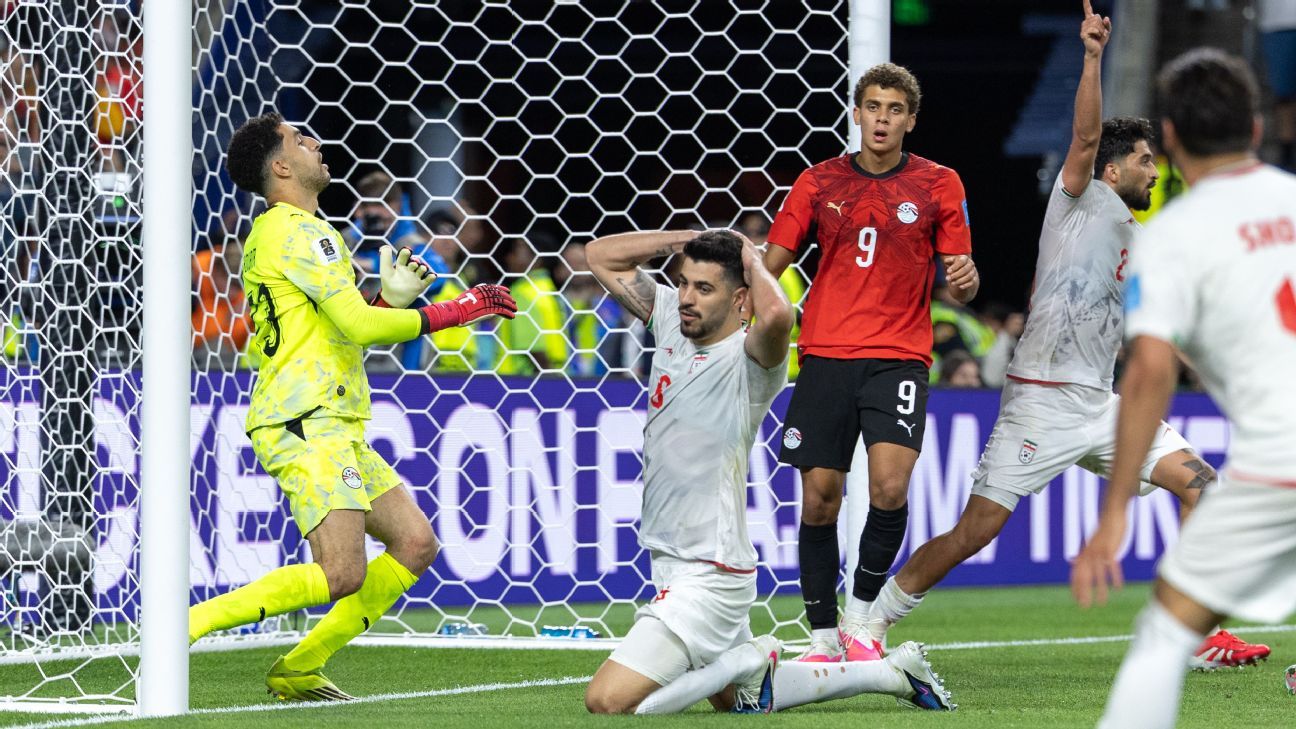
SEATTLE — The unpredictability of the 2026 FIFA World Cup fate echoes Iran’s broader struggles for control. Following a 1-1 draw against Egypt, the Pharaohs advance as Group G runners-up, leaving Team Melli in suspense as they await results from Saturday’s matches. Their tournament journey could end if Algeria and Croatia do not defeat Austria and Ghana, respectively, while the Democratic Republic of Congo must secure a victory against Uzbekistan.
This uncertainty reflects a larger narrative of frustration for Iran, particularly over the past few months. The preparations leading up to the World Cup starkly contrast with many teams that enjoyed proper friendlies. Iran had to face youth squads in Tijuana, while players from other teams had the opportunity to rest and recuperate. The Iranian squad’s travels were monitored under strict U.S. Department of Homeland Security guidelines, a consequence of geopolitical tensions stemming from ongoing conflict at home.
Controversial Moments on the Pitch
Disappointment lingered after a contentious VAR decision saw Shoja Khalilzadeh’s equalizer ruled offside by mere millimeters. A couple of moments later, Saeed Ezatolahi struck the crossbar, with the result transforming a potential last-minute triumph into a routine goal kick—underscoring the fine margins that dictate the sport’s outcomes.
Iran’s coach, Amir Galenoei, shared his frustration with both the team’s limitations and their misfortunes. He noted, “This World Cup has illustrated not only the suppression we face but also the unfortunate circumstances.” The ongoing conflict back home weighs heavily, further exacerbating their challenges.
While some may argue Iran had control over the penalty awarded in the 11th minute, which Egypt’s keeper Mostafa Shobeir saved from Mehdi Taremi, such perspectives miss the broader emotional current of the game. Football is inherently unpredictable; it often brings unexpected joy and heartbreak in equal measure.
For Egypt, there was a contrasting narrative. Thanks to Uruguay’s defeat by Spain, they secured their qualification before the match began. However, the distinction between finishing second behind Australia and ending third with disappointment is palpable. Analyzing Expected Goals (xG), Egypt dominated with a tally of 1.97 compared to Iran’s 0.84—a reflection of their offensive prowess, despite a few big chances eluding them.
Ambiguity Amidst Conflict
Amid this backdrop of sport and struggle, the Iranian team remains a complex symbol. On one hand, a significant portion of their supporters voice opposition to the current government by booing the national anthem. Yet, once the match commences, fan support for the players is overwhelmingly strong. This duality makes it challenging for many fans faced with the decision of political protest versus cultural loyalty.
The resounding chant of “Iran!” filled the Seattle air during the match, reflecting a unifying moment as the tension hung thick. As the outcome became clear, many neutrals, along with some Egyptian fans, rallied behind the drama that unfolded—a testament to the game’s emotional resonance.
Though Galenoei proclaimed, “The world is proud of Iran and our team right now,” such statements may exaggerate the sentiment of global opinion. However, it is undeniable that many admire those who navigate adversity with resilience. The saga of Iran’s national team serves as a poignant reminder of the human capacity to endure, often in the face of overwhelming odds.
