


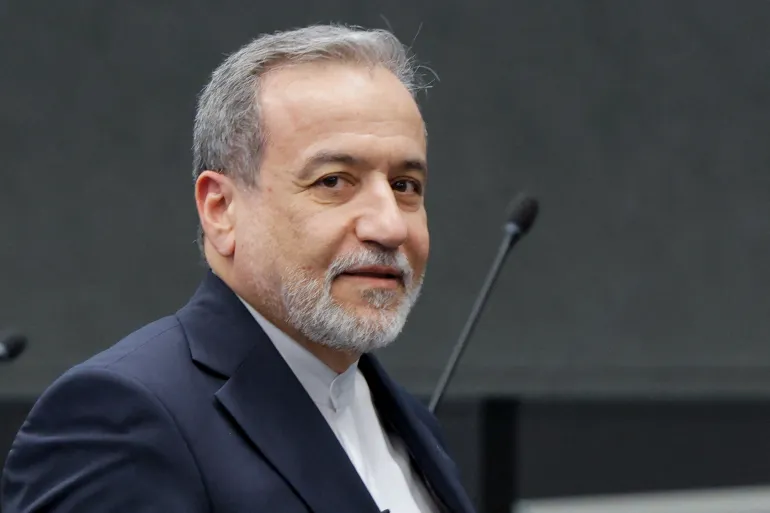
Iran Condemns U.S. Military Strikes Amid Rising Tensions
Iran has denounced recent U.S. military actions within its borders, asserting that the strikes on missile and drone storage sites, as well as radar facilities, breach a longstanding memorandum of understanding that has ostensibly halted hostilities in the region. These developments coincide with a significant diplomatic breakthrough, as Israel and Lebanon signed a U.S.-brokered framework agreement aimed at fostering peace between the two nations.
Accusations of Iranian Aggression Heighten Security Concerns
These renewed tensions follow U.S. assertions earlier this week that Iran was responsible for an attack on a commercial cargo ship navigating the crucial Strait of Hormuz. While the Iranian government has not acknowledged the accusation, the situation has intensified security worries in this vital shipping corridor, where both parties are simultaneously engaged in negotiations for a more enduring solution to their disputes.
CENTCOM Justifies Military Operations
The U.S. Central Command (CENTCOM) stated that its military operations were directed at Iranian facilities as a response to what it described as “unwarranted attacks by Iranian forces on commercial shipping.” CENTCOM emphasized that these actions constituted a clear breach of the ceasefire that had been enacted.
Iran Claims First Violation of the Ceasefire
In a counterclaim, Iran asserted that the U.S. operation represented the initial violation of the ceasefire. The Iranian Foreign Ministry characterized the strikes as a “brutal attack” that contradicted the existing memorandum intended to uphold peace in the region.
Retaliatory Strikes Announced by Iran’s Revolutionary Guards
The Iranian Revolutionary Guard has signaled its intention to respond with retaliatory strikes against U.S. military installations in the Gulf. They warned that if American aggression continues, Iran’s response would escalate correspondingly. “In the event of repeated offensives, our counteractions will be more expansive,” they announced through state media.
Regional Repercussions and Condemnations from Bahrain
The ongoing conflict has also affected neighboring Bahrain, which reported multiple Iranian drone incursions targeting the state. The Bahraini government condemned these actions as efforts to undermine peace initiatives designed to stabilize the region, particularly following the recent ceasefire.
Trade Routes Remain Affected but Oil Prices Stable
Despite the heightened military actions, oil markets have shown relative stability, with prices experiencing a decline. This is attributed to expectations that shipping through the strategically significant Strait of Hormuz—responsible for transporting approximately 20% of global oil and gas exports—will persist despite the reported military engagements. Although Iran has cautioned ships against entering or exiting the Gulf without prior approval, many vessels continue to rely on alternative routes.
New Framework Agreement Between Israel and Lebanon
On a positive note, Israel and Lebanon have formalized a U.S.-mediated framework agreement intended to pave the way for a long-term peace initiative. This agreement, finalized after five rounds of negotiations in Washington, establishes a plan for the gradual transfer of control in two specific areas currently held by Israeli forces to the Lebanese army, with the overarching aim of disarming Hezbollah. U.S. Secretary of State Marco Rubio described the trilateral agreement as a foundational step toward enduring peace and security.
Mixed Reactions to the Agreement
Israeli Prime Minister Benjamin Netanyahu welcomed the agreement, labeling it a strategic triumph against Iranian influence in the region. He indicated that Lebanese troops would regain control over the designated areas, while Israeli forces would remain in specified safe zones until Hezbollah has been disarmed. Conversely, Lebanese President Joseph Aoun framed the agreement as a crucial first step towards allowing displaced individuals to return home “under the sovereignty of the Lebanese state.” However, the deal has also faced protests from supporters of Hezbollah in Beirut, who argue it jeopardizes broader efforts to achieve a comprehensive regional resolution linked to ongoing U.S.-Iranian negotiations.
