


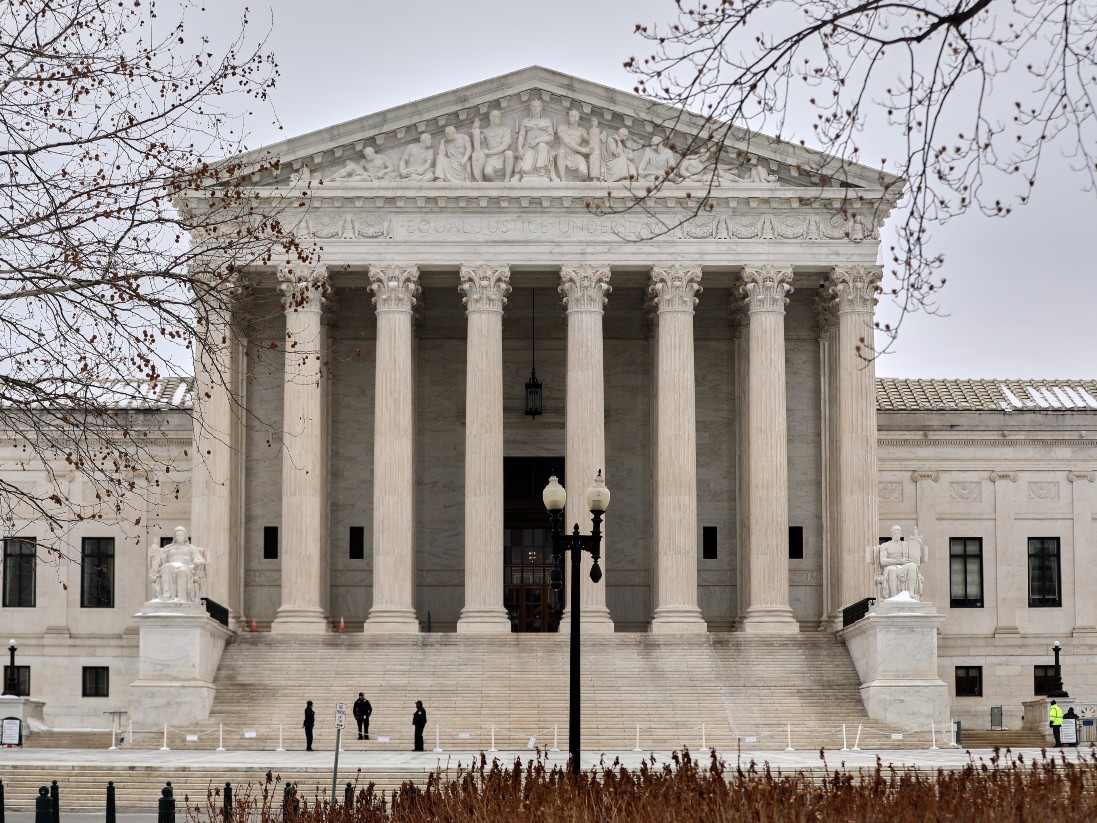
Author: Mark Sherman
Supreme Court Rejects Trump’s Birthright Citizenship Order
WASHINGTON (AP) — In a significant ruling, the divided Supreme Court on Tuesday invalidated President Donald Trump’s executive order aimed at redefining birthright citizenship. The court, in a 6-3 vote, underscored that children born in the United States, regardless of their parents’ immigration status, are guaranteed citizenship under the 14th Amendment.
Legal Foundations of Citizenship Affirmed
Chief Justice John Roberts, writing for the majority, emphasized that the historical understanding embedded in the 14th Amendment—adopted post-Civil War—affirms citizenship for anyone born within the country’s borders, with very few exceptions. “Citizenship, then and now, is the right to have rights and to actively participate in our political community,” he stated, reinforcing the commitment made by the amendment’s framers to extend citizenship to all individuals born free in this nation.
Dissenting Views From Conservative Justices
Justice Brett Kavanaugh, while aligning with the majority’s ruling against the executive order, dissented on constitutional grounds, highlighting existing federal laws that affirm birthright citizenship. Justices Samuel Alito, Neil Gorsuch, and Clarence Thomas supported Trump’s restrictive measures. In his lengthy dissent, Justice Thomas criticized the ruling as a deviation from historical intent, arguing that the Fourteenth Amendment’s purpose was to secure equal rights for formerly enslaved individuals, not to be repurposed for contemporary political agendas.
Implications of the Executive Order
The Trump administration’s order faced challenges from multiple lower courts and was never implemented across the U.S. During oral arguments in April, justices from both sides scrutinized the legality of Trump’s unprecedented approach to executive power. This case represents a pivotal moment for the court as it navigates longstanding precedents favoring presidential authority.
Impact on Future Immigration Policy
The birthright citizenship order is the first major immigration policy from the Trump administration to face judicial scrutiny. Complicating the landscape is Trump’s use of the Emergency Powers Act, a controversial move that has sparked debate regarding executive overreach. As the court deliberated, Trump’s criticism of judges who ruled against him highlighted underlying tensions in the judicial process surrounding immigration laws.
Effect on American Families
If implemented, the proposed restrictions would dramatically shift the citizenship status of over 250,000 children born in the U.S. each year, according to estimates from the Migration Policy Institute. The implications extend beyond undocumented immigrants, affecting pregnant women in legally tenuous situations, such as international students or green card applicants.
Historical Context of the Fourteenth Amendment
The Fourteenth Amendment aims to ensure citizenship for all individuals born or naturalized in the United States, with few exceptions like children of foreign diplomats. Legal experts argue its broad language unequivocally enshrines the principle of birthright citizenship, which the recent ruling has reaffirmed in light of historical precedents, including a landmark 1898 Supreme Court case that recognized citizenship for children born to Chinese immigrants.
