


Impact of Tropical Storm Ana on Malawi’s Power Infrastructure
Tropical Storm Ana made a significant impact when it struck Malawi in 2022, damaging a substantial portion of the country’s power infrastructure. The storm destroyed approximately one-third of Malawi’s hydropower capacity, leading to a national power outage that underscored the vulnerabilities in the landlocked nation’s electricity supply.
Chronic Electricity Supply Issues Faced by Malawi
Even prior to the storm, Malawi had been grappling with an inconsistent electricity supply, which is largely generated from renewable sources like solar and hydropower. The nation had been plagued by frequent power outages, highlighting the urgent need for improvements to its energy framework.
Government Initiatives for Grid Stabilization
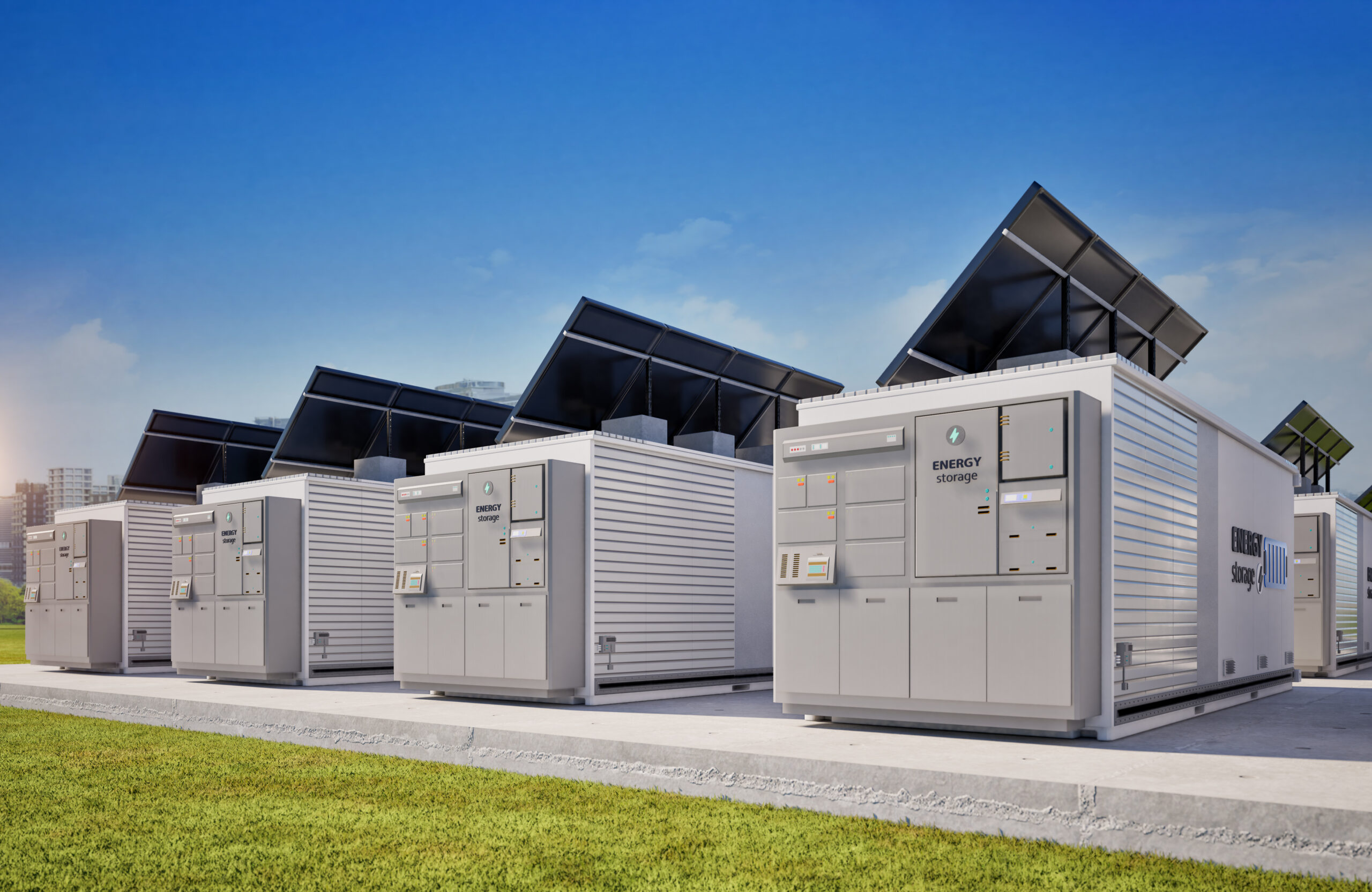
In response to these challenges, the Malawian government is undertaking efforts to enhance the stability of its power grid, including the construction of a Battery Energy Storage System (BESS) in the capital, Lilongwe. This system will utilize surplus electricity generated during sunny days and when hydroelectric facilities are operational, storing it for release during peak demand periods.
Renewable Energy Capacity and Climate Challenges
With over 80% of its electricity derived from renewable resources, Malawi is also working on expanding this capacity by reducing reliance on diesel generation by 78 megawatts (MW) and increasing solar installations. Nevertheless, the effects of climate change, particularly cyclones, pose risks that could disrupt these advancements and undermine the progress made in transitioning to renewable energy.
Project Goals Supported by Global Energy Alliance
The initiative to build a 20 MW/30 megawatt-hour (MWh) battery storage system in Lilongwe is supported by the Global Energy Alliance (GEA), part of the Mission 300 initiative. This initiative aims to connect 300 million Africans to electricity by the year 2030. The project is designed to smooth out intermittent electricity supplies, lessen the reliance on diesel generators, and reduce carbon emissions by approximately 10,000 tonnes annually.
Pivotal Role of BESS in Africa’s Industrialization
Amid rising calls for local green industries, experts emphasize the critical need for upgrading national grids with BESS technology to deliver reliable and cost-effective power to commercial centers. The advent of large-scale BESS has demonstrated that renewable energy can match the predictability and stability of traditional fossil fuel sources, providing significant opportunities for industrial growth on the continent.
Growing Interest and Technological Advancements in Battery Storage
While BESS is still in the nascent stages of deployment across Africa, enthusiasm for its potential is growing as countries explore how to make renewable energy more reliable. With South Africa already leading the charge with its first utility-scale BESS, the trend is gaining momentum in other nations, including Egypt, which is investing significantly to enhance battery storage capacities. As battery prices decline, the prospects for integrating renewable energy into industrial infrastructures are becoming increasingly viable.
Addressing Barriers to Implementation
Despite the potential advantages of BESS, investment in this technology remains hampered by limited awareness, funding concerns, and a lack of long-term performance data. Stakeholders advocate for more pilot projects to demonstrate the technology’s effectiveness, thereby building confidence among investors and policymakers. Collaborative efforts within the BESS consortium aim to generate evidence from initial projects, mobilize public funding, and create favorable policies to ensure commercial viability, ultimately aiding Africa in overcoming energy infrastructure limitations.
