


Federal Inquiry into Criticism of ICE Raises Concerns
A second resident from upstate New York reported on Tuesday that federal authorities contacted him regarding his online remarks about U.S. Immigration and Customs Enforcement (ICE). This follows earlier alerts sent to individuals expressing dissent toward immigration policies.
Encounter with Law Enforcement Over Online Comments
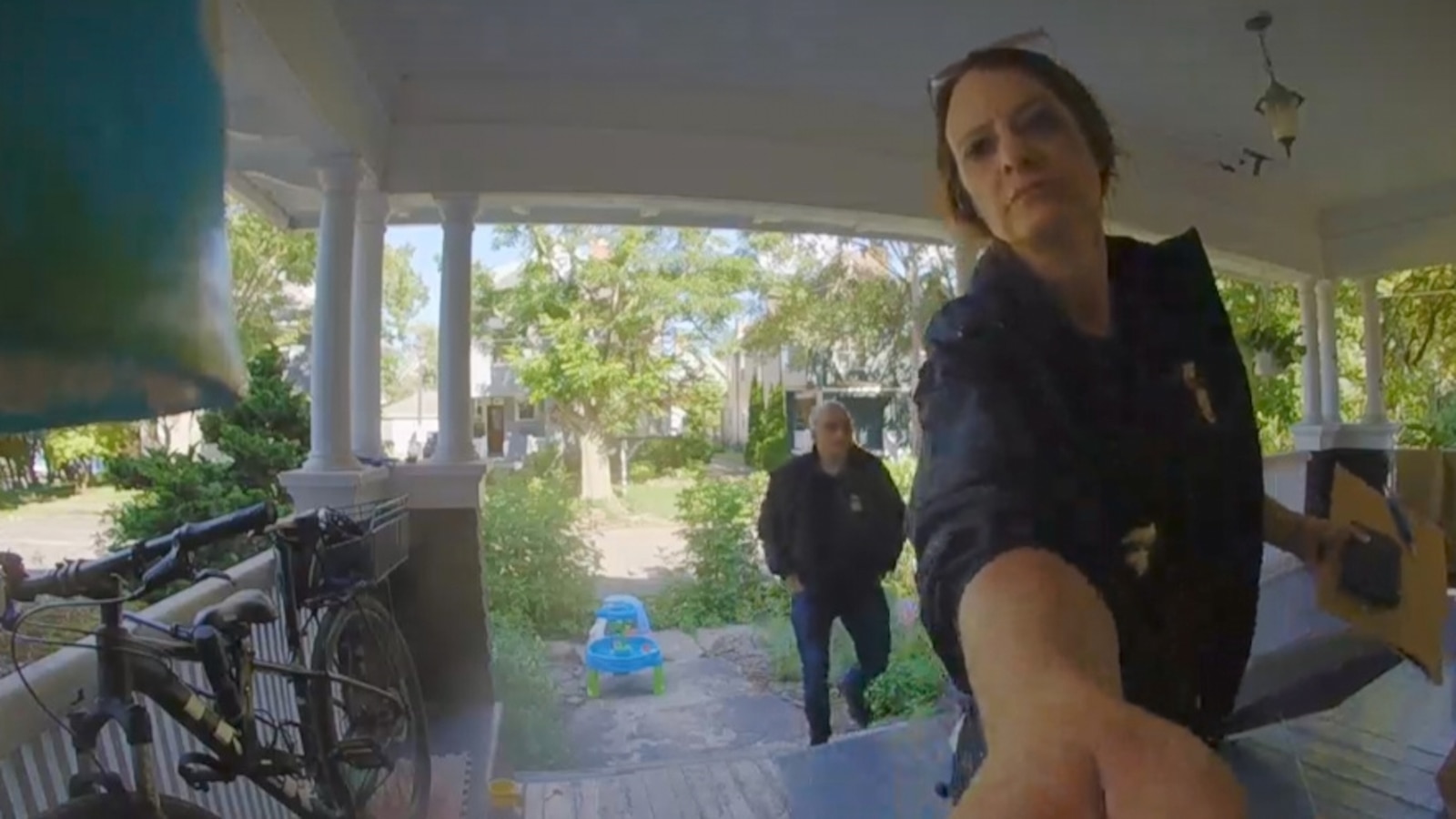
David Strieber, a Rochester resident, learned about the federal inquiry while he was traveling in Finland. His attorney stated that two police officers visited Strieber’s home last week and delivered a warning notice to his wife. The notice claimed that an email sent by Strieber months earlier constituted a threat.
Triggering the Federal Response
In an email sent to then-acting ICE Director Todd Lyons, Strieber expressed his outrage regarding the fatal shooting of Minneapolis resident Renee Good by an immigration officer during an anti-ICE protest. Strieber labeled Lyons as “a monstrous human being who will never know peace,” stirring significant attention to his message.
Similar Experiences: Poll Worker Confronted by Federal Agents
Pagelyn Gonye, a poll worker in Syracuse, encountered a federal investigation shortly after Strieber’s warning. During the New York state primary, agents approached Gonye at her polling place, questioning her about social media posts related to the ICE officer who shot Good.
Legal Representation and the Nature of the Emails
Adam Steinbaugh, an attorney for Strieber from the Individual Rights Expression Foundation, reported that federal agents attempted to confront Strieber upon his return from Finland, but hotel staff denied them access. Steinbaugh emphasized that Strieber’s email should be protected under free speech rights, arguing that it lacked any genuine intention of violence.
Emotional Impact of Federal Interactions
Strieber conveyed his shock at the situation, stating that writing to the ICE Director was a way to voice his anger over the Minnesota shootings. He expressed disbelief that his email would result in federal agents showing up at his home, highlighting the chilling effects of government scrutiny on public discourse.
Controversy Over Online Statements and Legal Consequences
Gonye’s online remarks, which included a critical comment about Jonathan Ross, the officer involved in Good’s death, have raised further concerns. A statement from Lauren Biss of the U.S. Department of Homeland Security claimed that Gonye’s act of sharing Ross’s address constituted a federal crime. This assertion has sparked debate regarding the limits of free expression, especially in politically charged contexts.
Concerns Over Free Speech and Government Overreach
Advocacy groups for free speech have condemned this federal response, arguing that it exemplifies an infringement on privacy and freedom of expression. Nathan Fried Wessler from the ACLU emphasized that the First Amendment safeguards the right to publicly criticize government officials without fear of retribution. He labeled the actions of federal agents as an abuse of power aimed at suppressing constitutionally protected speech.
