


Negotiations between the US and Iran Gain Momentum
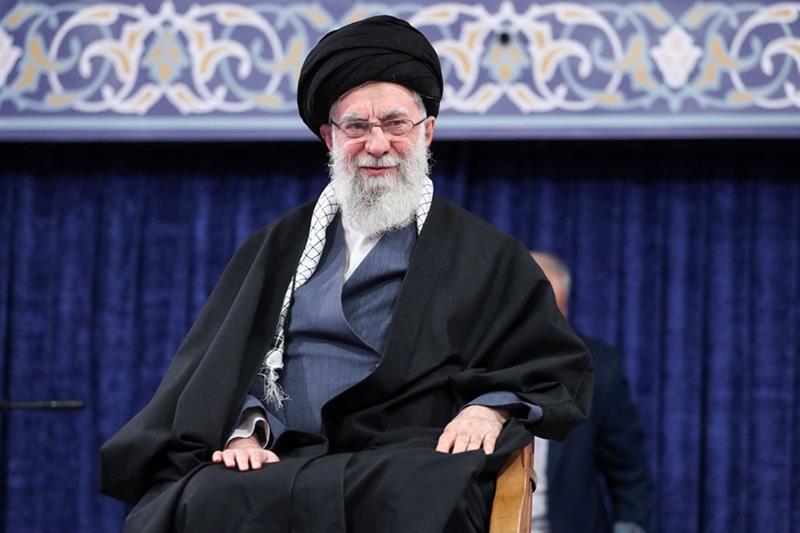
As Iran begins a multi-day public funeral for the late supreme leader Ayatollah Khamenei, thousands have gathered at the Grand Mosala Chapel in Tehran to pay their respects. Mourners expressed their grief with chants for revenge while participating in a deeply emotional ceremony that marks a pivotal moment in Iranian politics.
Despite the somber atmosphere surrounding Khamenei’s funeral, indirect negotiations between the United States and Iran are picking up pace. Both parties display a cautious optimism about the discussions, even as military tensions, diplomatic clashes, and disruptions to global shipping loom overhead, threatening the fragile peace process.
Regional Security Tensions Rise Amid Diplomatic Efforts
Tehran issued a stern warning to Britain and France against deploying military assets in the Strait of Hormuz after both nations indicated their commitment to supporting a multinational mission aimed at ensuring freedom of navigation. Concurrently, US President Donald Trump and Israeli Prime Minister Benjamin Netanyahu have expressed intentions to meet soon in Washington, D.C., to address regional security matters, despite divergent views on the approach to handling Iran.
The multi-day funeral for Khamenei is expected to draw between 15 to 20 million attendees, including foreign dignitaries and religious leaders. Security measures have been heightened due to concerns about potential attacks during this significant public gathering, particularly following recent comments from Israeli Defense Minister Yisrael Katz regarding threats to Khamenei’s successor. Iranian officials, including President Massoud Pezeshkian and Foreign Minister Abbas Aragushi, were in attendance, alongside dignitaries from various regions.
US-Iran Negotiations Resume After Funeral
The temporary suspension of negotiations—prompted by Khamenei’s death on February 28 due to a coordinated assault by the US and Israel—has now lifted as the funeral concludes. Trump suggested that Iran is eager for a resolution, stating, “We were kind enough to give them a week off for the funeral.” Recent discussions in Doha between US and Iranian representatives were characterized as constructive, paving the way for a potential path forward regarding Iran’s nuclear program and broader regional security concerns.
Qatari diplomats have facilitated the talks, which occur in an indirect format given the absence of formal diplomatic relations. Qatari Foreign Ministry Spokesperson Majid Al-Ansari described the discussions as productive, with negotiations already in motion for the next round once mourning observances conclude. Although details remain under wraps, both sides are reportedly focused on maintaining a recently declared 60-day ceasefire while considering the contentious issues surrounding Iran’s nuclear capabilities.
Security Concerns Heightened in the Gulf Region
Adding to the regional volatility, commercial shipping in the Strait of Hormuz has faced new disruptions. Recent tracking data revealed that at least eight vessels either abandoned their routes or executed sudden U-turns upon nearing this critical maritime corridor. The impacted ships included a variety of carriers ranging from chemical tankers to petroleum product vessels, mirroring the heightened sense of insecurity in the Gulf.
Iran has issued fresh warnings to European powers, urging Britain and France to refrain from deploying military assets in the Strait of Hormuz. Iranian Deputy Foreign Minister Kazem Gharibabadi emphasized that any foreign military presence in the vital waterway would be deemed unacceptable. His statements followed announcements from French President Emmanuel Macron and British Prime Minister Keir Starmer, both asserting their commitment to bolstering maritime security in the region.
