


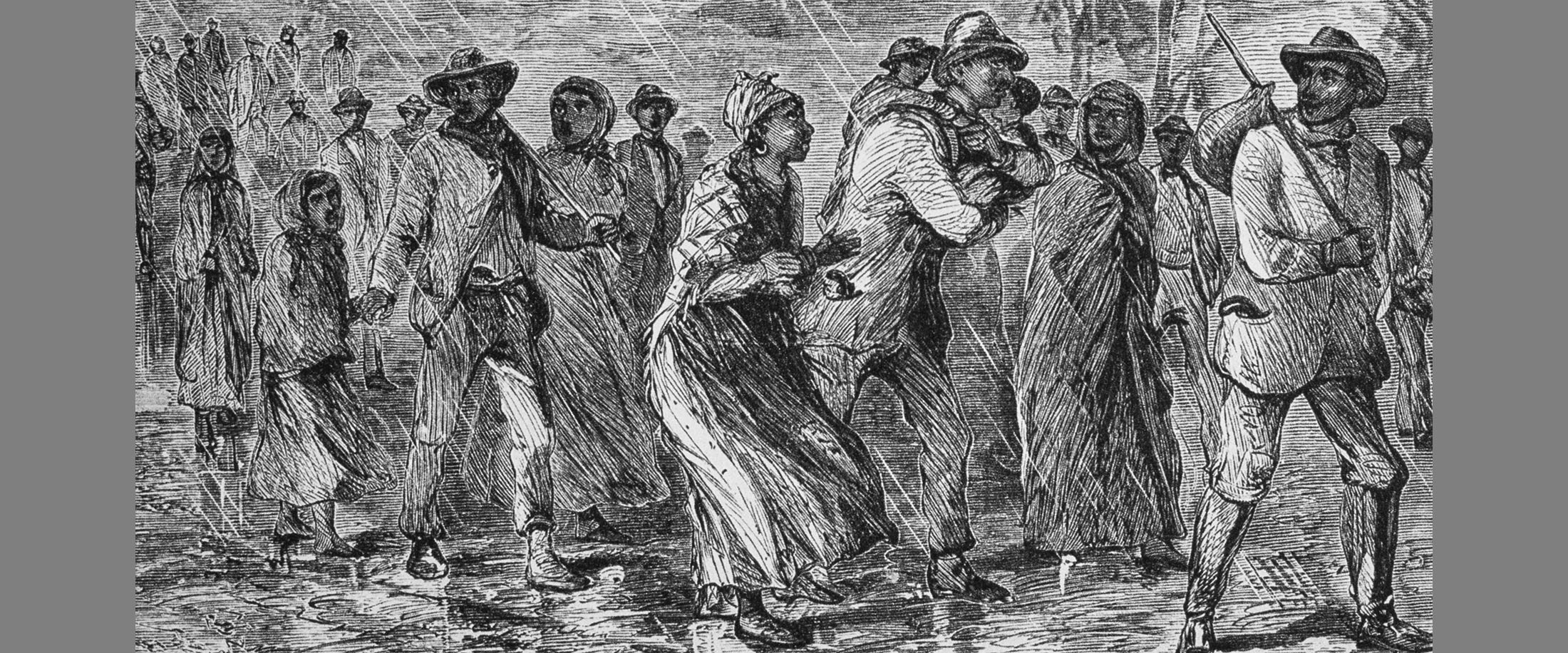
The Legacy of the Underground Railroad in the Fight for Freedom
In the critical period leading up to the Civil War, the Underground Railroad emerged as a vital network facilitating the escape of enslaved individuals seeking freedom. Spearheaded by former slaves, abolitionists, and faith-based communities, this clandestine route often directed escapees towards Canada, providing a chance at a new life away from the oppressive South.
Legal Risks Under the Fugitive Slave Act
This movement unfolded in direct defiance of the Fugitive Slave Act of 1850, which criminalized efforts to assist enslaved individuals in their bids for freedom, even in Northern states. Violators faced severe penalties, including up to six months in prison or hefty fines, equivalent to today’s $35,000 to $40,000. Despite these threats, many chose to act on their conscience rather than adhere to unjust laws.
Faith Communities as Agents of Change
Groups such as the Quakers took a firm stand against these oppressive laws, driven by a moral compass that prioritized a higher law advocating for justice and compassion. Prominent black churches, including Detroit’s Second Baptist Church and African Methodist Episcopal (AME) congregations in New York and Philadelphia, played crucial roles in this movement. Even predominantly white denominations, like the Wesleyan Methodists, emerged as passionate advocates for abolition, demonstrating the widespread commitment to the cause.
Resisting Unjust Immigration Policies
This spirit of resistance re-emerged in the 1980s, as churches and synagogues united against the refusal to recognize Salvadorans fleeing a U.S.-backed dictatorship as legitimate refugees. Beginning with a modest Presbyterian church in Tucson, the sanctuary movement garnered momentum as congregants took bold actions, such as assisting individuals in crossing the border amidst humanitarian crises. Some were prosecuted for their defiance, but they stood firm in their convictions.
The Church’s Role Amid Modern Immigration Challenges
Today, the church finds itself at a crossroads, faced with the challenge of addressing the inhumane immigration policies of the Trump administration. A recent Supreme Court ruling has left thousands of Haitians and Syrians vulnerable to extreme poverty and danger in the U.S. This escalation underscores the necessity for the church to publicly challenge the racist practices endorsed by agencies like ICE.
Advocating for Equity and Fairness in Immigration
The church is called to rise to the occasion, advocating against the systemic racism inherent in current immigration policies. By offering shelter and protection to targeted individuals, the church can honor the higher moral law championed by figures like Martin Luther King Jr. This mission involves challenging nationalistic and xenophobic attitudes that endanger lives and undermine the principles of welcoming and just immigration policies.
Embracing a Historical Responsibility
As we reflect on the historical injustices of slavery and the tragic treatment of Jewish refugees during the Nazi regime, the church must reject complacency and take an active stand. Rather than straddling the fence, it should support immigrant communities and confront the xenophobia permeating contemporary society. While authoritarianism looms, the church may face backlash and persecution from unjust governments, yet it can draw inspiration from predecessors who prioritized humanitarian values over oppressive laws.
Will McCorkle serves as an education professor in Charleston, South Carolina, and is the director of Practical Mercy Border Ministries. He focuses on issues of immigration, peace, and faith.
