


Efforts to Market Coco Networks’ Ethanol Technology Following Company Collapse
Administrators at Coco Networks have initiated the marketing of the company’s flagship ethanol cooking technology and manufacturing facility in India, marking a significant step toward resolving one of Africa’s most notable challenges in climate technology.
This move comes in the wake of Coco’s demise in January, triggered by the Kenyan government’s refusal to grant the necessary license for the sale of carbon credits on the international market. This license was crucial for Coco, as its absence effectively severed access to a vital revenue stream that had subsidized ethanol fuel prices for over one million households in Kenya.
PricewaterhouseCoopers (PwC), currently handling the administration of Coco Networks, is seeking expressions of interest in the company’s integrated ethanol cooking technology and manufacturing platform until July 17. The firm aims to secure a buyer for the asset, anticipated to be valued at over $15 million.
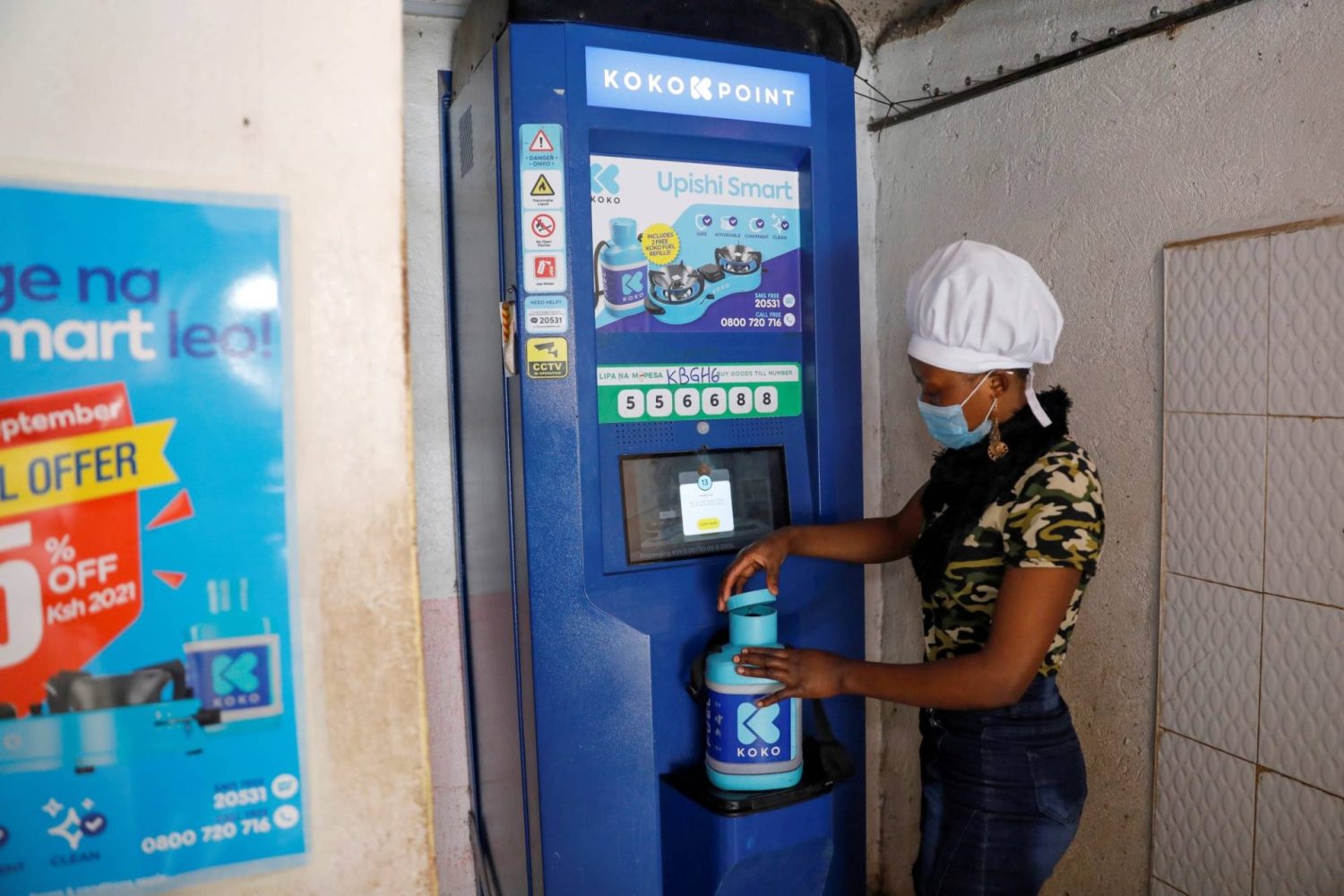
The assets for sale include a comprehensive intellectual property portfolio comprising patents, hardware designs, and software technologies developed over a decade. Additionally, the sale encompasses a stove and canister manufacturing plant located in Sanand, Gujarat, India, alongside a fuel distribution and retail platform that previously supported over 3,000 automated fueling stations across Kenya.
Founded in 2013 by Gregg Murray, Coco Networks garnered support from high-profile investors including Microsoft’s Climate Innovation Fund, Mirova, Verod-Kepple, and Rand Merchant Bank. The project also received backing from the World Bank’s Multilateral Investment Guarantee Agency, which provided a guarantee of $179.6 million. In total, the company invested more than $300 million to establish its operational network.
Unfortunately for its investors, the current situation is dire. Creditors are projected to incur losses of up to Ksh22 billion (approximately $170 million) as the failure of the startup reveals that its assets are inadequate to fulfill its outstanding obligations. Recent filings from the company’s UK parent indicate total liabilities of £127.2 million (around $170 million), juxtaposed with only £1.45 million ($1.9 million) in assets available for priority creditors. Most claims originate from affiliates within the Koko ecosystem, including Koko Networks Carbon Finance UK and Koko Networks Kenya.
Coco’s downfall has underscored the risks faced by climate startups that rely on carbon credit revenue without providing direct benefits to consumers. The firm had staked its future on gaining access to compliance carbon markets, which are utilized by airlines to offset their emissions.
However, the Kenyan government has not issued the required power of attorney to facilitate the sale of these credits. Officials have expressed concerns that Coco’s planned issuance could lead to Kenya absorbing a disproportionate share of the international carbon allocation available.
Interestingly, Coco spent over ten years building Africa’s most extensive clean cooking distribution network, reaching approximately 1.5 million low-income households and significantly contributing to the reduction of indoor air pollution in both urban and suburban settings while employing over 700 individuals.
Now, that network is in jeopardy. Coco’s collapse has left more than a million households facing fuel shortages, raising pressing questions about the feasibility of scaling a successful model for carbon subsidies without direct financial support or price increases for consumers. The disruption has also placed Kenyan taxpayers at potential risk, amounting to billions of shillings due to political risk guarantees issued by the World Bank to protect against government contract breaches.
