


Strong Policy Implementation and Debt Management Foster Good Governance in Africa
Experts in policy, academia, and research highlight that effective public policy execution and prudent debt management are crucial for promoting good governance across Africa. These insights emerged during the recent gathering of the African Financial Economics Association (AFEA), with plans for the next conference set for Abuja from July 3 to 5, 2026.
Professor Evans Osabuohane, a noted economist, shared with Premium Times that the discussions revolved around the public policies and debt management strategies significantly impacting human capital development on the continent. He emphasized the need to manage public debt effectively to redirect resources toward enhancing human capital and energy efficiency, particularly in an age dominated by innovation. “A skilled, well-informed workforce is essential to harness the benefits of contemporary technologies, such as artificial intelligence,” he stated.
Osabuohane addressed a common misconception about debt, explaining that debt in itself is not inherently negative. The challenge arises when debt repayment becomes burdensome, particularly when funds are utilized for non-productive investments. “In many African nations, borrowed funds aren’t always channelled into human capital development,” he pointed out, underscoring the need for more strategic borrowing.
International Conference Focuses on Africa’s Development Challenges
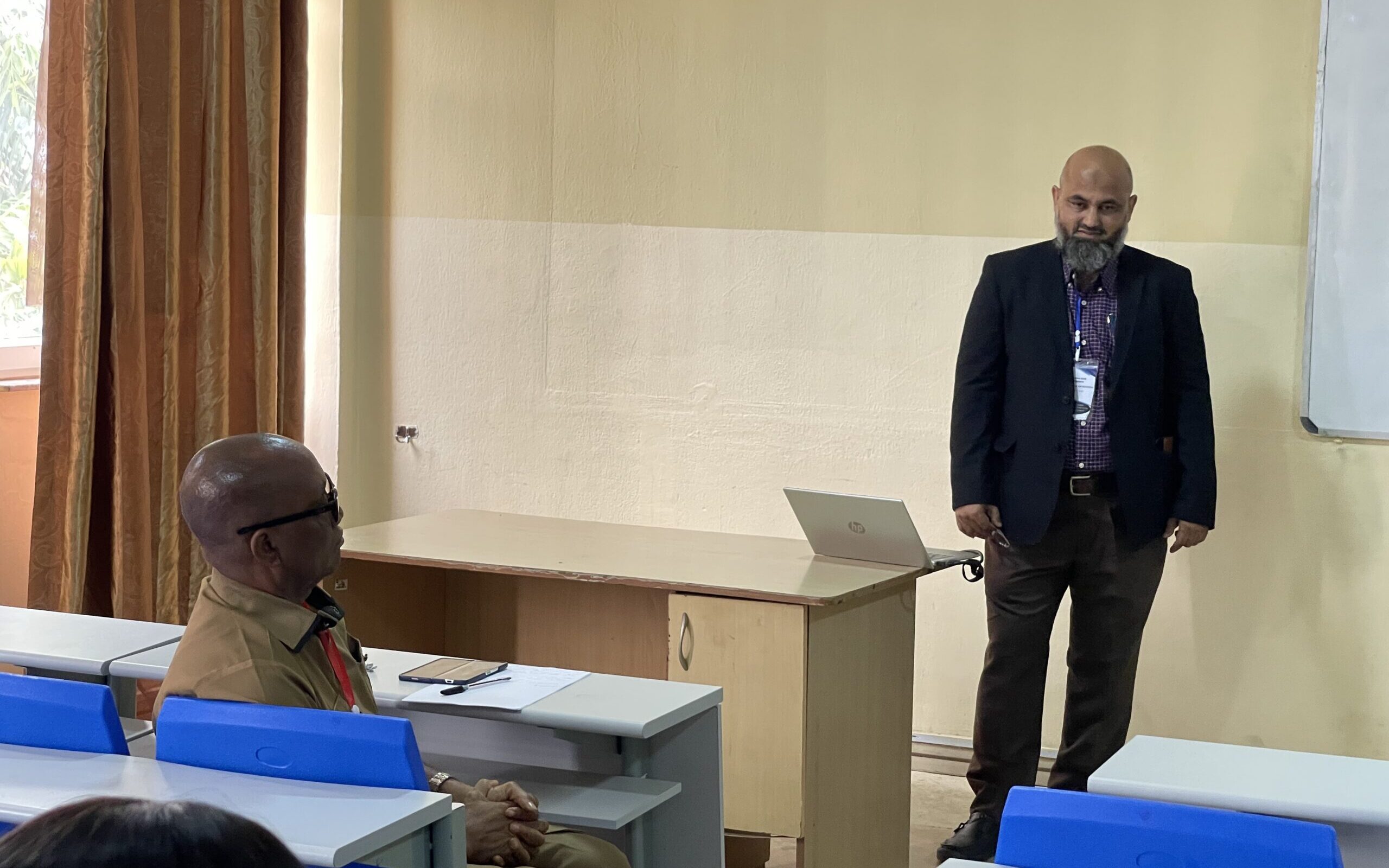
The three-day conference, hosted by the Faculty of Humanities and Social Sciences at Nile University in Abuja, attracted economics professionals, policymakers, and experts from various sectors. This year’s theme, “Africa’s Geoeconomic Development Agenda in an Era of Global Restructuring,” gathered participants from countries including Canada, Ghana, and Nigeria, all aiming to share expert opinions on geopolitical shifts, climate risks, and development financing in Africa.
Among the distinguished attendees were Emotimo Agama, Director General of the Securities and Exchange Commission (SEC); Tope Fasua, an economic advisor to President Bola Tinubu; and Tony Okpanachi, Managing Director of the Development Bank of Nigeria. Premium Times covered the breakout sessions where participants presented their research on pivotal topics like debt sustainability, global financial governance, digital service delivery, mobile banking, financial inclusion, and continental digital markets.
There was also significant discourse around youth engagement, gender issues, demographic transitions, and the pursuit of inclusive development. The sessions examined the multifaceted relationship between Africa and the West, as well as critical themes such as migration, urbanization, and spatial inequality. Each presenter participated in interactive discussions aimed at enhancing the quality of their research work.
Participants Share Insights from Conference
Abogede Marietu, a PhD student in economics at Nile University, expressed the conference’s positive impact, stating that it granted him invaluable opportunities to learn from established scholars. “This was my first time presenting at an international conference, and it deepened my understanding of my research. I hope policymakers will consider our findings to enhance economic conditions and improve the lives of people across Africa,” he remarked.
Rofeka Bott, another presenter, emphasized the timeliness and relevance of the discussions at the conference, noting that they provided an engaging platform for experts to confront pressing global challenges. Bott, a lecturer at Bingham University, echoed the hope that African governments would take actionable steps based on the research findings to advance development on the continent.
The Role of AFEA in African Development
The African Financial Economics Association (AFEA) serves as a professional network for economists, financial practitioners, and academics dedicated to addressing the development challenges facing Africa. The organization aims to empower the continent through financial growth and sustainable development, promoting research that enriches knowledge on contemporary issues affecting African development. Moving forward, Mr. Majune Socrates will step into the role of Chairman, while Mr. Gbadebo Odular is set to take on the duties of Chairman of the Board of Directors.
