


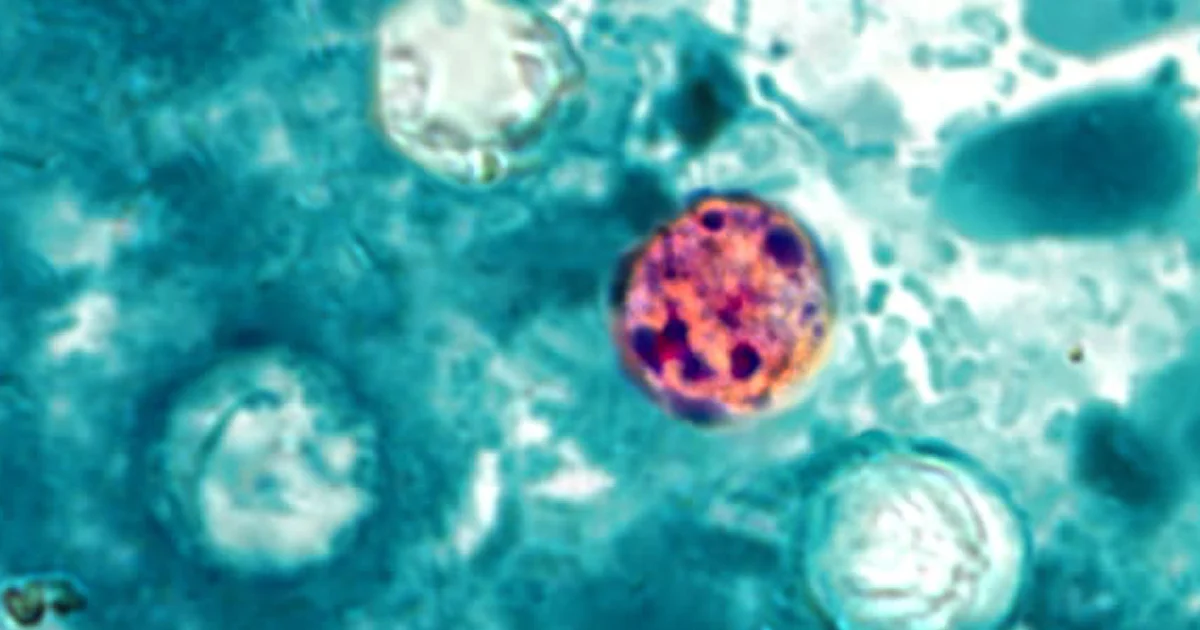
Nation Faces Surge in Cyclosporiasis Cases
Approximately 3,000 individuals across the United States are currently grappling with cyclosporiasis, a gastrointestinal disease linked to severe watery diarrhea. Recent reports from state health departments indicated that 31 states have confirmed cases, leading to 86 hospitalizations, as detailed by the Centers for Disease Control and Prevention (CDC) on Friday.
Investigative Efforts Intensify Amid Rising Cases
Health officials are racing to identify the infection’s origins, though the CDC has stated that the outbreaks in various states may not be connected. The count of confirmed cases has escalated dramatically compared to the same period last year, with 843 cases confirmed and over 1,500 still under investigation. Thankfully, no fatalities have been reported.
Michigan Hardest Hit as Outbreak Expands
Michigan has been particularly affected, tallying 1,562 cases as of Friday. The Cyclospora parasite has also spread to states such as Ohio, Colorado, Illinois, New York, North Carolina, Texas, Wisconsin, and beyond. According to Dr. Natasha Baghdasarian, Michigan’s chief medical officer of health, the sharp rise in cases is “very unusual,” given that the state typically sees only 40 to 50 cyclosporiasis cases annually.
Link to Fresh Produce Under Investigation
Dr. Baghdasarian noted that state laboratories are actively sequencing the parasite’s genome to trace its origins. Identifying closely related isolates may indicate a common source of contamination. Historically, fresh produce has been implicated in such outbreaks, as Cyclospora parasites frequently attach to fruits, vegetables, and herbs, making them difficult to wash off completely.
Challenges in Identifying the Source of Infection
Deanna Blau, acting director of the CDC’s division of parasitic diseases, emphasized the complexities involved in investigating this outbreak. Symptoms of cyclosporiasis can take over a week to surface, complicating the task of tracing infections back to specific foods. Often, contaminated items are blended with other foods, making them easily overlooked.
Geographic Spread of the Outbreak
This summer, Michigan has experienced the most significant outbreak of cyclosporiasis, coinciding with the seasonal rise in cases. The state reported 1,562 confirmed cases by Friday, with at least 36 individuals hospitalized. Northwest Ohio and nearby southeastern areas are also experiencing an uptick in infections, with the Ohio Department of Health reporting 177 lab-confirmed cases and 28 hospitalizations as of July 2.
Understanding Cyclosporiasis and Its Symptoms
Cyclosporiasis is a foodborne illness caused by the cyclospora parasite, primarily associated with fresh produce. Past outbreaks have involved items like raspberries, bagged salads, cilantro, and basil, with rare cases linked to water contamination. Symptoms typically manifest around a week after ingestion and may include flu-like symptoms, followed by explosive, watery diarrhea, severe gas, stomach cramps, and nausea. Affected individuals often experience loss of appetite, while a low-grade fever is uncommon.
Tracking and Prevention Efforts
Last July, the CDC shifted its strategy, making tracking Cyclospora optional as part of broader cuts to its foodborne illness surveillance system. Experts voiced concerns that these changes might hinder timely outbreak identification and response. State and local health departments are tasked with interviewing patients about their recent dietary habits and scrutinizing grocery receipts to identify commonalities. Blau mentioned that CDC is assisting states in analyzing potential sources linked to the current outbreak.
How to Protect Against Cyclosporiasis
Cooking food remains the most effective way to kill parasites, while rinsing produce slightly diminishes the risk but does not eliminate it. Food safety expert Janet Buffer suggests avoiding dishwashing detergents when cleaning produce, as residues can cause digestive issues. She recommends thoroughly washing fruits and vegetables in a vigorous manner.
The Michigan Department of Health advises purchasing whole-head lettuce rather than pre-washed bags, washing herbs meticulously, and preparing items like raspberries through cooking methods to reduce risk. While the investigation continues, health officials stress the importance of cautious food handling practices during this peak season for cyclosporiasis.
