


The Mass Transfer of Inmates and Unexplained Hospitalizations Amid Air Conditioning Failure at Delaney Hall
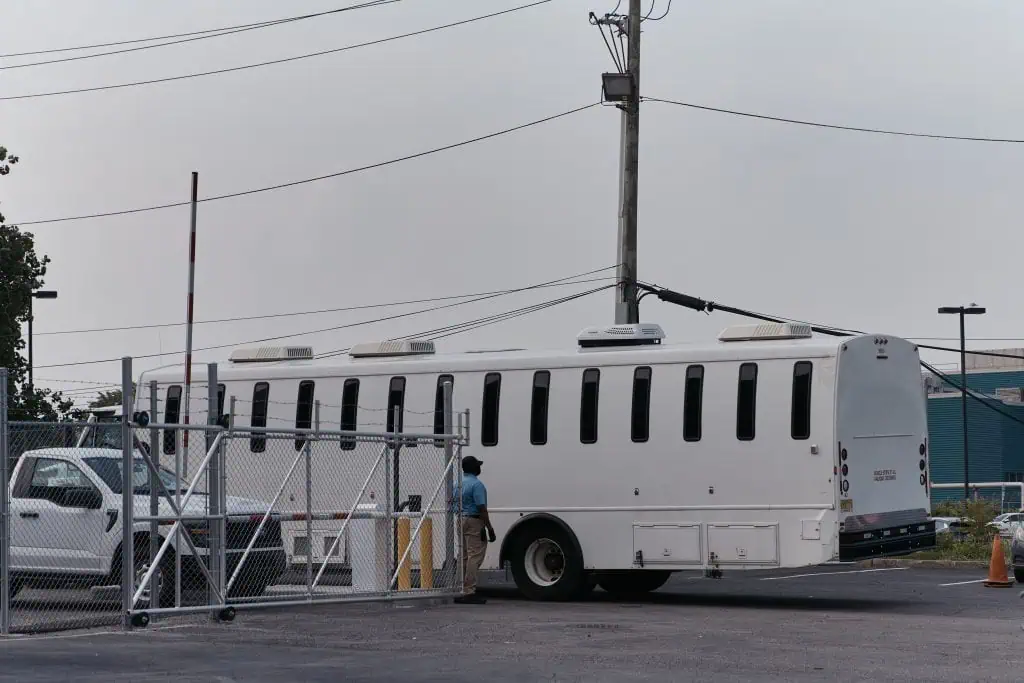
During the Fourth of July weekend, approximately 120 detainees were transported from Newark’s Delaney Hall, coinciding with three hospitalizations due to unspecified medical issues. The transfers occurred in the context of a prolonged air conditioning failure, which left individuals inside the immigration detention center enduring extreme heat.
A spokesperson for the Department of Homeland Security confirmed that a significant number of detainees were sent to Jersey Vindicator. However, the official did not disclose the exact destinations for these transfers or provide details on how many detainees were moved to other facilities or repatriated.
Transfers within U.S. Immigration and Customs Enforcement (ICE) detention centers are routine as the agency manages its nationwide network. These moves often precede detainees’ scheduled departures from the country.
This trend aligns with the rapid expansion of ICE’s detention system under the Trump administration, which saw the average daily detainee count soar by 71%—from around 39,000 in January 2025 to over 67,000 by April 2026, according to the U.S. Government Accountability Office.
Activists reported witnessing three ambulances leaving the facility on July 5, along with buses transporting detainees, some of whom were seen banging on the windows in distress. The DHS spokesperson acknowledged that three detainees were hospitalized on July 5 for various medical concerns but did not confirm whether these incidents were related to the excessive heat or the air conditioning issues affecting Delaney Hall.
While a DHS spokesperson stated that all three hospitalized individuals were receiving treatment and would return to the facility upon discharge, they did not specify the nature of their medical conditions. Approximately a week prior, ICE indicated that repairs to the broken air conditioning system were underway. However, as of Saturday, the repairs had not been completed.
U.S. Representative Rob Menendez mentioned that detainees in Room 4 of Delaney Hall had to be relocated due to air conditioning issues. Currently, around 800 individuals are being held at the facility, an increase from previous weeks. Agency officials previously reported installing additional mobile air conditioning units and enhancing access to cold water in affected housing units.
Nevertheless, activists have disputed these claims, arguing that neither ICE nor GEO Group, the private prison company managing the 1,000-bed facility, has provided adequate air conditioning or cold water. Some detainees received electric fans, yet these offered little relief, merely circulating hot air within the units.
GEO Group declined to comment further and referred inquiries to ICE, which countered allegations of negligence or subpar conditions at the facility. A DHS spokesperson claimed that any assertions regarding inadequate conditions in ICE facilities are inaccurate, stating that all detainees are given sufficient food, water, medical care, and opportunities to communicate with family and legal representatives.
Despite these assertions, detainees and their families have consistently reported poor living conditions inside Delaney Hall since its reopening during a heightened immigration enforcement period. In June 2025, a riot erupted at the center amid complaints of contaminated water, insufficient food quality, irregular meal schedules, and inadequate medical care.
In May, approximately 300 detainees initiated a hunger and labor strike to protest their conditions, which led to demonstrations outside Delaney Hall. Many detainees alleged that they faced retaliation for their involvement. Although protests outside the facility have diminished, activists claim that the internal conditions have not improved and that the intense summer heat exacerbates the situation.
Sally Pillay, an advocate with Eyes on ICE, conveyed concerns about the dire conditions, mentioning that some detainees resorted to sleeping without clothing due to the suffocating temperatures and struggled to breathe in such oppressive conditions. Pillay emphasized the lack of ventilation, stating, “It’s so hot and humid… I can’t stand it.”
In response to health concerns raised, DHS reiterated its commitment to providing comprehensive medical care to all detainees, highlighting access to various medical services, including emergency care. The spokesperson affirmed that many detainees receive medical assistance that they may not have experienced before entering ICE custody.
