


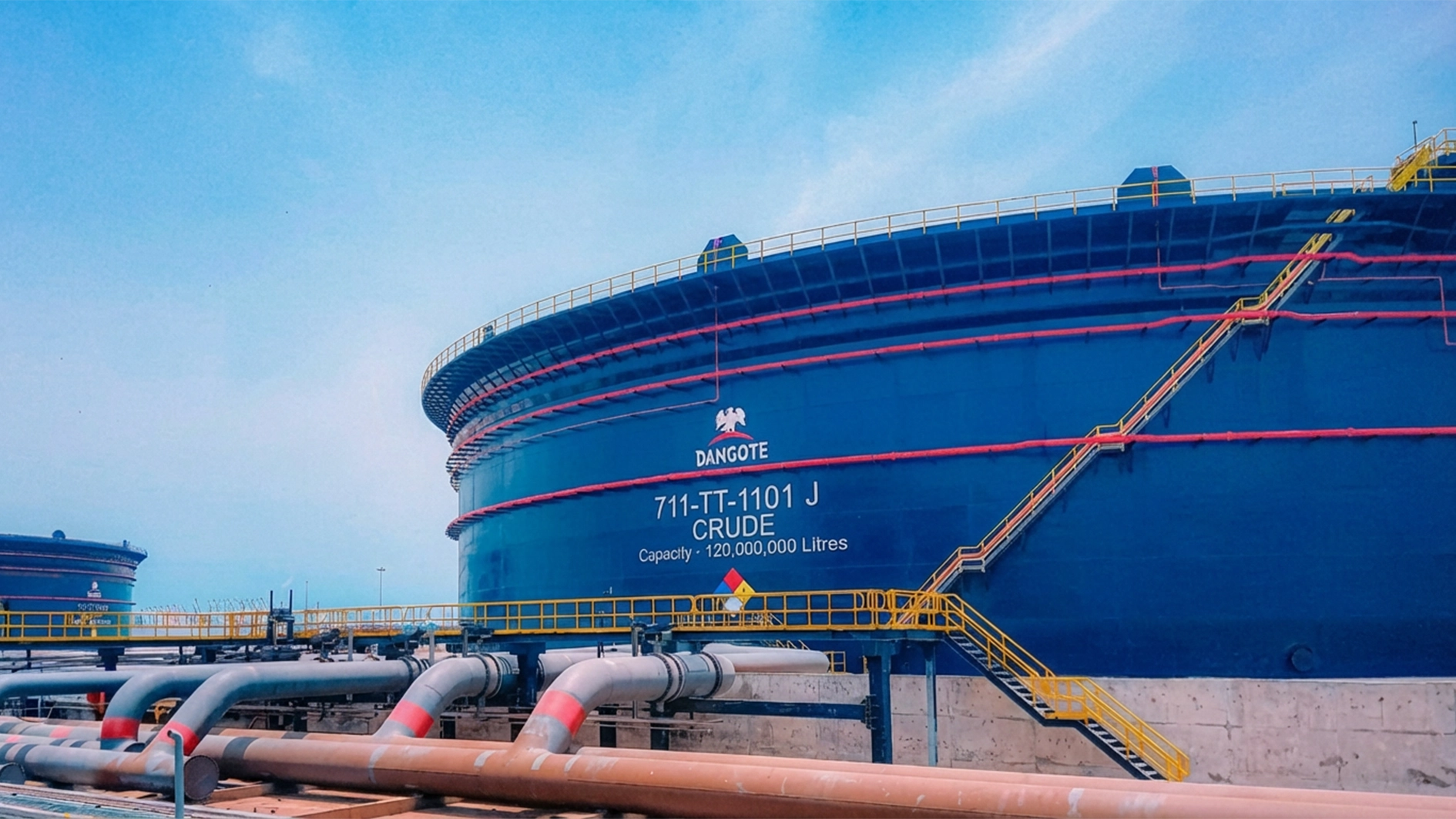
The Transformative Role of the Dangote Refinery in Nigeria’s Energy Landscape
The Dangote refinery in Lekki, Lagos, represents more than just an oil processing facility; it symbolizes a shift in Nigeria’s economic sovereignty within a global context where nations are evaluated based on their production, security, and supply capabilities.
Confronting Nigeria’s Oil Import Dependency
Nigeria has grappled with a glaring contradiction for decades: despite being a leading oil producer, it has relied heavily on the importation of refined petroleum products. This paradox is rooted in a downstream sector plagued by a lack of transparency, subsidy challenges, regulatory inconsistencies, and frequent supply disruptions. The issues surrounding Nigeria’s downstream sector have transcended mere conversations about gasoline, diesel, and market shares; they evoke deeper considerations about transforming the country’s abundant natural resources into industrial strength and shared prosperity.
Broadening the Discussion on Refinery Impact
It is crucial to assess the Dangote refinery from a perspective that encompasses more than just economic metrics. This facility is essential for Nigeria’s survival and advancement, positioning it as a strategic asset within a turbulent global energy framework. The key question remains: can African nations, long trapped in the cycle of exporting crude oil while importing refined products, transition from extraction to value addition?
The Need for Reliable Raw Materials
However, a refinery’s symbolic significance cannot substitute for operational necessity. It depends critically on a steady supply of crude oil and a conducive operational environment. Alarmingly, Nigeria’s domestic refineries received only 28.5 million barrels of crude oil—approximately 46% of their allotted quotas—during the first quarter of 2026. Without reliable raw materials, the foundation for industrial sovereignty remains precarious, necessitating a strategic national industrial approach to domestic crude supply rather than relying on temporary commercial measures.
The Consequences of Industrial Oversight
Historically, Nigeria’s reliance on imported refined products stemmed not from an oil shortage but from inadequate protection and maintenance of its industrial refining capabilities. This dependency has resulted in a significant loss of value, jobs, technology, and foreign exchange, while exposing the nation to external economic shocks and humiliating imports of its own resources.
Shifting Paradigms with Dangote Refinery
The emergence of the Dangote refinery marks a pivotal turning point in this narrative. It illustrates that large-scale industrial initiatives are indeed feasible in Africa, showcasing the potential of African entrepreneurship to construct globally relevant infrastructure. Instead of primarily exporting crude oil to other nations for refining, Nigeria is now positioned as a producer of refined products on its own soil, contributing to local economic resilience.
Environmental Considerations and Regulatory Framework
While no refinery operates without some environmental impact, there is a stark contrast between outdated refineries and modern facilities like Dangote’s, which incorporate advanced environmental safeguards, including water reuse and waste management systems. The World Bank and the Nigeria Major Energy Markets Association have expressed valid concerns regarding market competition, supply diversification, and consumer pricing. It is imperative that private sector operations are subjected to robust regulatory frameworks promoting transparency and fairness, to prevent monopolistic practices replacing public sector inefficiencies.
The Broader Implications for African Development
The Dangote refinery serves as more than a domestic industrial venture; it is emerging as a key stabilizing element in the regional and global energy supply chains amidst geopolitical uncertainties. It reinforces the idea that industrial capacity is not merely an economic asset but a matter of national sovereignty. As Nigeria continues to develop its refinery capabilities, the real question evolves: can the nation leverage its resources to foster a sustainable, diversified energy future? This transition requires a balanced policy approach that supports domestic refining, encourages new entrants, and protects consumer interests, paving the way for a more resilient energy landscape in Africa.
