


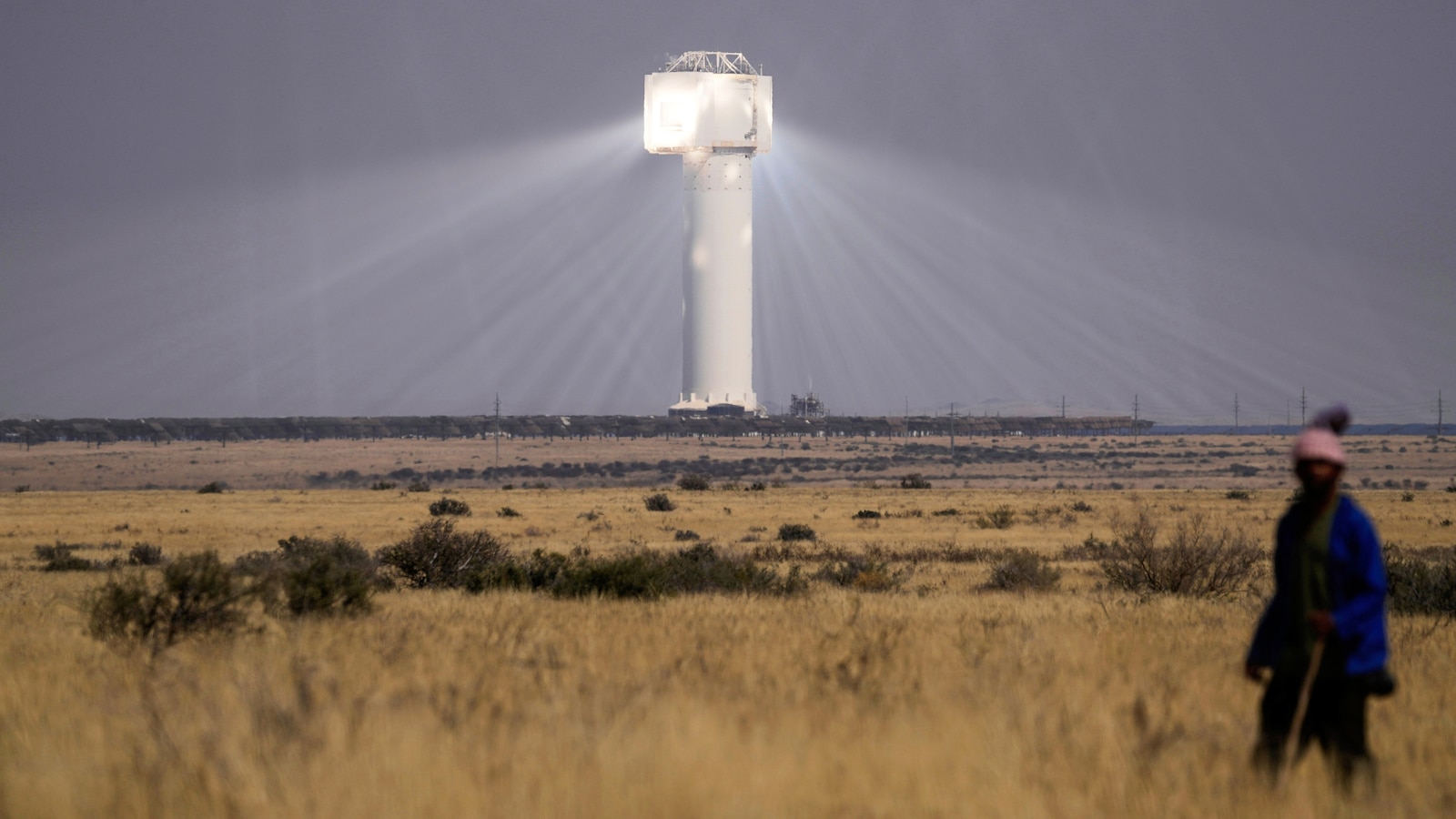
Africa Faces Institutional Challenges in Clean Energy Transition
Nairobi, Kenya — Experts are identifying that the foremost challenge for Africa’s clean energy landscape is not simply building renewable projects but rather establishing the institutions, markets, and regulatory frameworks necessary to scale up these initiatives effectively.
Despite achieving significant milestones in clean energy globally, new concerns have surfaced. Projections indicate that by 2025, renewable energy sources will generate 34% of the world’s electricity, outpacing coal’s share of 33%. Together with nuclear power, renewables are expected to account for half of global electricity generation by 2030.
As industrialization, artificial intelligence, and electrification catalyze demand, experts argue that the transition to clean energy has pivoted from technology-related hurdles to the enabling systems, including financial structures, essential for implementation. Addressing these systemic barriers is crucial to providing electricity access to the 600 million Africans currently off the grid.
Michael R. Bloomberg, the United Nations Secretary-General’s special envoy for climate change, emphasized this shift in late June when he announced a new $285 million initiative from Bloomberg Philanthropies aimed at bolstering clean energy sectors in emerging and developing nations.
Bloomberg noted, however, that “solvable obstacles” continue to impede progress. He stressed that with soaring energy demand, it is imperative to remove these barriers to facilitate faster deployment of renewable sources.
The initiative does not focus on funding solar or wind projects directly. Instead, it allocates resources to develop market frameworks, enhance regulatory capabilities, bolster technical expertise, and strengthen institutional infrastructures—all of which are vital for attracting private investments and expediting renewable energy adoption.
This approach underscores a growing consensus that Africa’s energy transition will not be limited by a shortage of renewable resources or viable technologies but rather by the institutional capability to transform these resources into financially sustainable projects and grid systems.
Many renewable projects continue to face delays attributed to inadequate market design, inefficient grid planning, slow permitting processes, and a fragmented regulatory environment. Saliem Fakir, executive director of the Africa Climate Foundation, observed, “What is missing is not potential, but the institutional infrastructure and capacity to unleash it.” He argues that philanthropic efforts addressing these gaps could significantly alter the trajectory of Africa’s energy landscape.
While the costs of renewable energy technologies have dropped dramatically across the continent, investor interest remains high. Yet, uncertainties in policy, prolonged permitting processes, and limited regulatory frameworks are major impediments thwarting project initiation.
Wangari Muchiri, founder and CEO of RE.Think Energy, asserted that the current stage of the energy transition is centered not on validating that clean energy is feasible but on dismantling the barriers preventing swift scale-up. Beyond lofty renewable energy targets, Bloomberg’s initiative aims to facilitate long-term investments and ensure projects are interconnected with national grids.
