


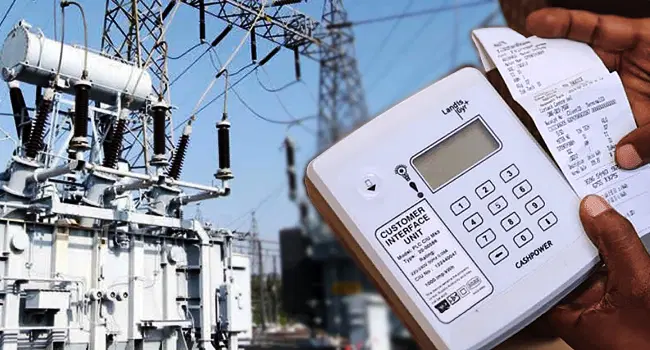
Electricity Discos in Nigeria Push Back Against New Regulatory Directive
Nigeria’s electricity distribution companies, known as DisCos, have voiced strong opposition to a recent directive from the Nigerian Electricity Regulatory Commission (NERC). They argue that this unprecedented move infringes on the internal controls of privately-owned power firms and poses a serious risk to investor confidence in the country’s power sector.
Details of the Regulatory Framework Change
The controversy stems from the introduction of Order No. NERC/2026/062, effective July 1, 2026. This directive mandates that DisCos establish a dedicated capital expenditure (CapEx) reserve account. According to the order, a significant portion of their remaining revenues must be deposited into this account once they have met their obligation to upstream market operators and covered their administrative and operational costs.
Revenue Allocation Under New Guidelines
NERC asserts that the new measure aims to increase investment in distribution infrastructure, enhance service delivery, and instill financial discipline among the DisCos. However, the distribution companies argue that this directive extends regulatory power over revenue allocation. Under the new distribution framework, DisCos with no outstanding market debt must allocate 70 percent of their earned non-managed operating revenues to the CapEx reserve account, leaving them with just 30 percent for operational expenses.
Stricter Requirements for Indebted DisCos
For DisCos facing outstanding debts, the conditions are even more extreme. According to the directive, 25 percent of their residual revenue must be paid to the Nigeria Bulk Electricity Trading Company (NBET) to address outstanding debts, an additional 25 percent goes to the Market Operator (MO), and 35 percent is set aside for the CapEx account. This leaves these companies with a mere 15 percent of their income for operational needs.
Regulatory Overreach Concerns
The controversy extends beyond revenue allocation; the order specifies that funds in the CapEx account can only be utilized for projects included in NERC-approved performance improvement plans. DisCos must obtain “no objection” approval from the commission before initiating any eligible projects, complicating the execution of contracts and delaying payments. Industry experts argue that the directive transforms the regulator’s role from oversight to active management, usurping functions traditionally held by the boards of these companies.
Challenges to Investor Confidence
Several stakeholders warn that NERC’s increased involvement in project approvals and contract enforcement could lead to operational inefficiencies and open the door to potential exploitation. They argue that locking away 70 to 85 percent of residual income in restricted accounts undermines DisCos’ operational flexibility and makes it harder to attract commercial financing, especially as lenders begin to reevaluate the regulatory landscape for risk factors.
NERC’s Justification and Industry Perspectives
NERC defends its directive by highlighting an investigation into how DisCos managed their operating expenditures during the 2025 market cycle. The commission contends that despite generating enough revenue to meet management costs, many DisCos have not made necessary investments in their infrastructure, hindering their ability to fulfill their market obligations. While some industry insiders endorse NERC’s move as a means to address inefficiencies, others argue that it stifles the potential for new investment at a time when private capital is critical for improving Nigeria’s electricity distribution framework.
Legal Implications and Future of Nigerian Electricity Sector
Legal concerns have also arisen regarding the process leading to the issuance of this directive. Critics note that Article 48(1) of the Electricity Act requires consultation with licensees before decisions that significantly impact the industry. The lack of prior consultation raises questions about the validity of the directive, making it susceptible to legal challenges. As the debate unfolds, this situation could fundamentally shape the regulatory environment and redefine the relationship between regulators and investors in Nigeria’s electricity market.
