


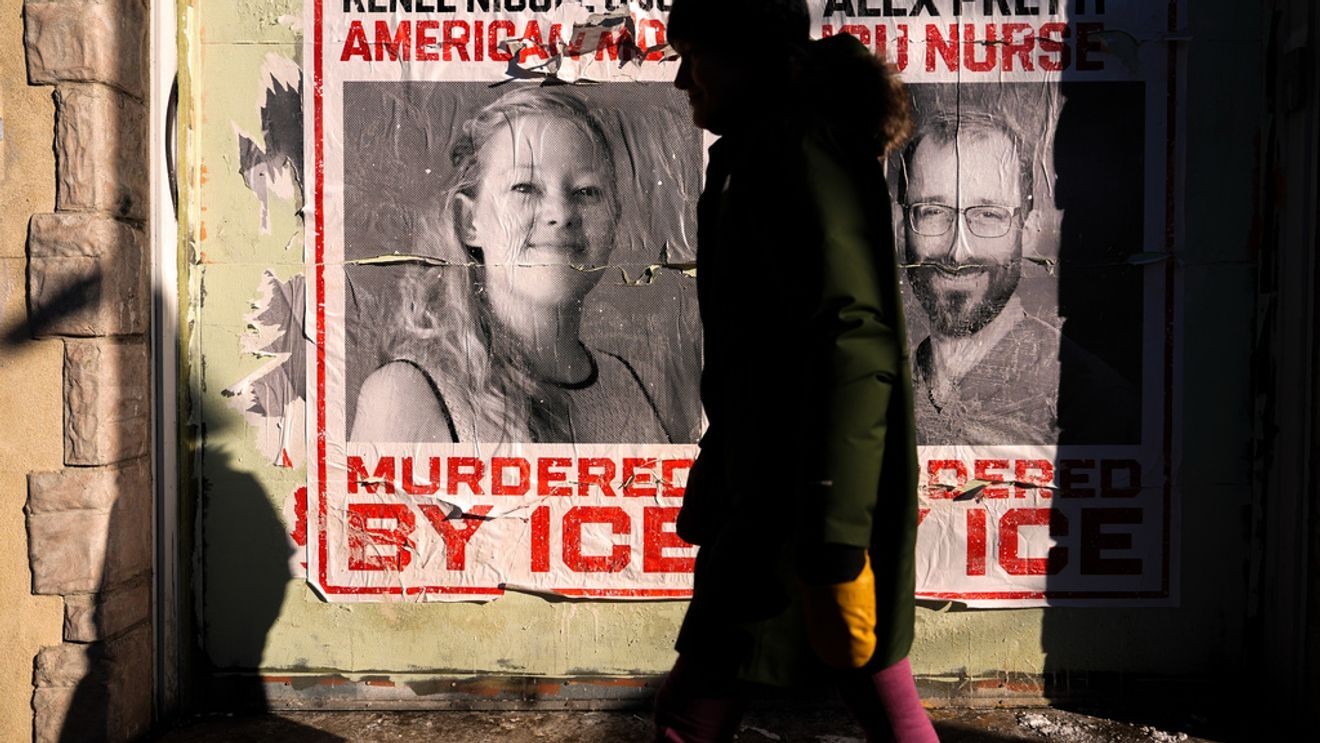
Minnesota (TNND) — In a significant development in the investigations surrounding the fatal shootings of Renee Good and Alex Preti, federal prosecutors have provided key evidence to Minnesota authorities after prolonged legal disputes. This evidence transfer may enhance the state’s inquiry into the controversial incidents involving Immigration and Customs Enforcement (ICE) agents.
Mary Moriarty, Hennepin County Attorney, announced on Monday that the office of federal prosecutor Daniel Rosen released crucial materials following a protracted argument over access. This transfer includes witness statements, body camera footage from law enforcement, and a previously withheld hard drive containing images of Good’s damaged vehicle.
Moriarty expressed optimism regarding the progress, stating, “Now that we have all the evidence, if there is any government responsibility in the loss of local lives, it is imperative we conduct a thorough investigation.”
The crackdown on immigration enforcement in Minneapolis, referred to as “Operation Metro Surge,” was described as the largest such operation in U.S. history and concluded in February.
A civilian autopsy revealed that 37-year-old Good, a mother of three, was shot three times by federal agents during a traffic stop on January 7, including a fatal bullet wound to the head. Conversely, Preti, also 37 and an intensive care nurse, was shot and fatally injured during protests on January 24; the medical examiner indicated he succumbed to multiple gunshot wounds inflicted by federal officers.
The number of fatalities linked to encounters with ICE agents has risen sharply, with at least nine deaths reported nationwide since the Trump administration’s immigration enforcement campaign began last year. So far, there have been no charges related to these deaths, and the federal government maintains that state prosecutors lack authority to investigate federal agents.
Amid growing scrutiny of ICE’s recent actions, concerns have emerged following another incident where an ICE officer shot a motorist in Maine. Simultaneously, Houston prosecutors indicated that crucial evidence is still being withheld in a separate investigation concerning an ICE officer involved in a fatal shooting last week.
In March, Minnesota authorities initiated legal action against the Trump administration, alleging noncompliance in providing evidence essential for the state’s ongoing investigation. Court documents suggest that the release of evidence may have resulted from federal prosecutors’ attempts to obtain information from state investigators regarding another incident involving ICE agent Christian Castro.
Castro, age 52, is facing charges of assault and false reporting related to the shooting death of Julio Cesar Sosa-Celiz on January 14. Accusations assert that Castro fired a gun through the front door of a Minneapolis residence while pursuing another individual, unintentionally hitting Sosa-Celiz in the thigh.
While state and local prosecutors have indicated willingness to share evidence from the Castro case, they demand reciprocal cooperation from federal authorities in their investigations into the Good and Preti shootings. Drew Evans, head of the Minnesota Bureau of Criminal Enforcement, emphasized this point in a court filing, stating, “We are open to sharing evidence on the condition that it is a mutual exchange.”
Legal representatives of Good’s family characterized the transfer of evidence as a significant step toward achieving justice and accountability. The Minnesota Bureau of Criminal Investigation, responsible for managing the materials, noted “substantial progress has been made” toward ensuring thorough investigations into both shootings.
However, an attorney for Preti’s family reported that during Monday’s meeting, Rosen’s office did not confirm the existence of a formal cooperation agreement between state and federal law enforcement agencies. “Families should not have to plead with federal authorities to fulfill their responsibilities,” attorney Steve Schleicher commented, emphasizing the difficulties in pursuing justice without federal cooperation.
This transfer of evidence indicates a pivotal moment in the collaboration between state and federal investigators, potentially reviving investigations that have faced significant delays.
