


African AI Companies Develop Localized Solutions for Enterprise Needs
Allsight AI, an artificial intelligence firm based in Johannesburg, asserts that Africa can create its own enterprise-ready AI tools, tailored to local languages, consumer behaviors, and existing business landscapes. As demand increases for personalized and continuous digital engagement, the company aims to address the unique needs of the African market.
Customized Customer Engagement for the Automotive Sector
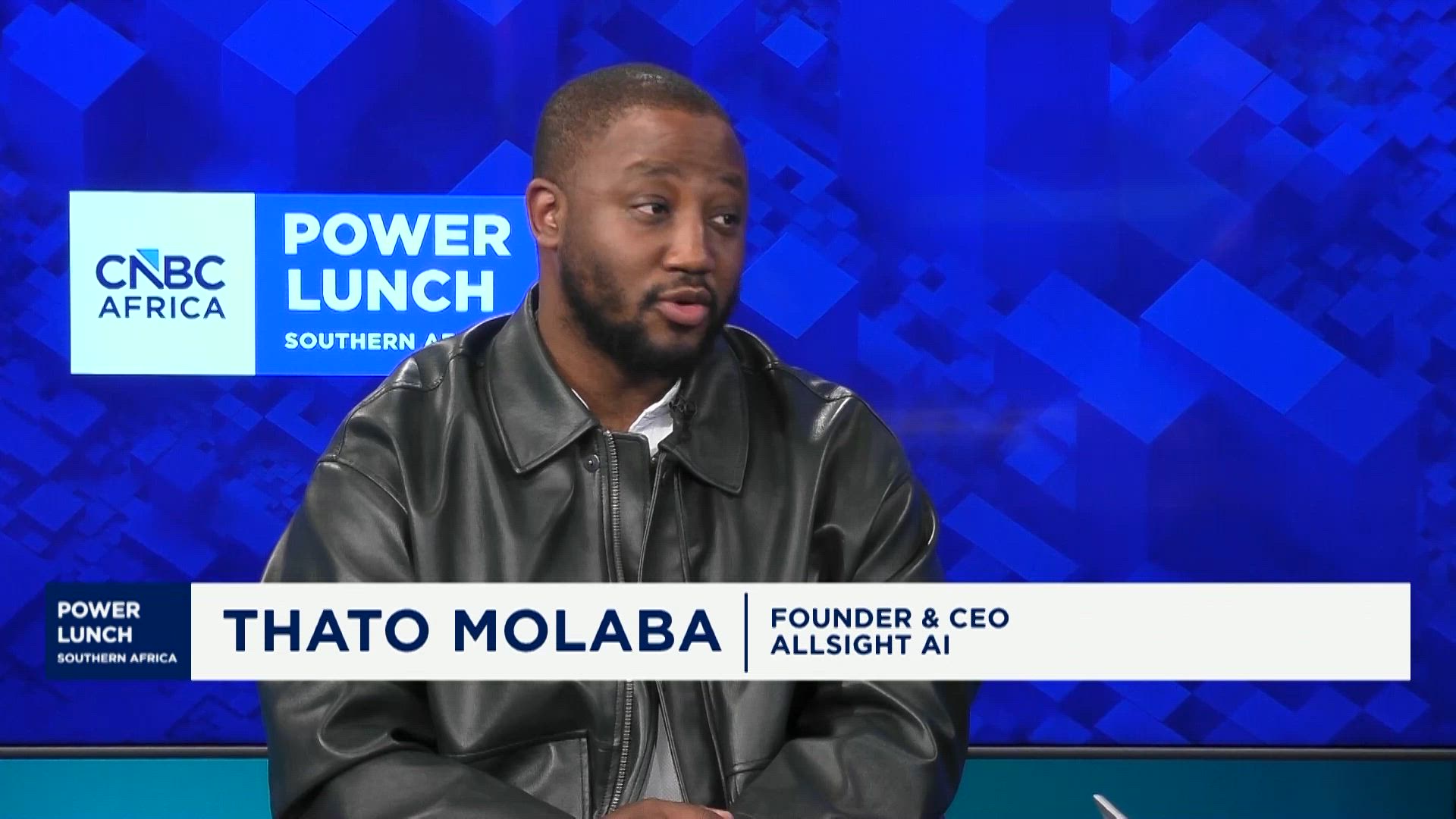
Founder and CEO Thato Moraba shared in a recent television interview that Allsight AI is working on multilingual, omnichannel customer engagement solutions specifically targeted at African enterprises, with an initial emphasis on the South African automotive industry. This initiative comes at a time when many enterprise AI platforms currently utilized by African companies are developed in Silicon Valley or Europe, often requiring local enterprises to adapt foreign systems to fit African contexts.
Addressing Language Diversity in Business Communication
Moraba pointed out that this mismatch between local needs and imported solutions presents significant opportunities for homegrown AI development. In many African countries, diverse languages and varied communication styles greatly influence how consumers engage with brands. He noted, “One of the biggest challenges for businesses is that many customers do not speak English as their first language,” underscoring the importance of providing support across various South African languages such as Afrikaans and Zulu.
A Natural Approach to AI Interactions
A core component of Allsight AI’s strategy is to ensure local fluency in customer interactions. Moraba explained that their platform is designed to be conversationally adaptable rather than relying strictly on scripted responses. By allowing for adjustments in tone, pace, and vocabulary, their AI interactions aim to be so seamless that users may not even realize they are conversing with a machine.
Real-Time Solutions for Automotive Executives
Allsight AI has made early strides by addressing a clear business challenge: the issues faced by automotive executives. Car dealerships frequently encounter problems such as missed calls and delayed responses amid high volumes of low-quality inquiries. The company’s tools are engineered to capture, classify, and efficiently route customer leads in real-time, which can significantly improve interactions with prospective buyers.
Transforming Customer Inquiries through Messaging Platforms
Moving away from traditional phone inquiries, Allsight AI facilitates communication through chat channels, particularly WhatsApp. This format allows consumers to inquire about vehicle maintenance, parts, and both new and used automobiles at their convenience, receiving ongoing support outside typical business hours.
The Broader Impact of AI on Sales Efficiency
Moraba highlighted that this transition marks a shift in consumer behavior, as individuals become accustomed to researching and configuring vehicle purchases through messaging platforms. Moreover, the AI system effectively filters non-serious inquiries, ensuring that quality leads are identified and directed into the customer management systems, ultimately enhancing conversion rates. This capability can drive significant efficiency improvements in sectors where rapid response times and lead quality are critical to sales performance.
Data Ownership and the Future of AI in Africa
In light of growing concerns regarding data ownership and privacy in AI applications—especially within regulated sectors—Moraba reassured that customers will retain ownership of their data. While Allsight AI will manage and segment the information as required, he emphasized the importance of local hosting and robust cloud security infrastructures, citing the presence of Amazon Web Services in South Africa as an asset in this regard.
A Collaborative Future between AI and Human Workers
Moraba rejected the notion that AI merely serves as a job-displacing technology. Instead, he believes it is a productivity enhancer that allows employees to work more efficiently, particularly in organizations where staff often juggle multiple roles. He expressed that rather than replacing jobs, AI should empower workers to achieve greater productivity.
Investing in Skills and Local AI Development
However, Moraba acknowledged a significant challenge in the form of a skills gap in the AI sector. He pointed out that educational programs have lagged behind the rapid pace of AI adoption, leading companies to struggle in finding experienced talent in key technical areas like programming and AI system enhancement. He emphasized the necessity for Africa to invest in data centers, AI infrastructure, and educational initiatives to build lasting competitiveness and reduce reliance on externally developed intelligence systems.
The Broader Vision for Allsight AI
Looking ahead, Moraba indicated that Allsight AI plans to expand its focus beyond automotive customer engagement. As part of a larger holding company, Stems Corp., the firm is positioning itself to develop AI productivity tools for various sectors, including government and business services.
Localizing AI for African Markets
Although Allsight AI is still at an early stage of growth, it exemplifies a significant trend in the African technology landscape. The next wave of AI adoption may hinge not solely on access to global models, but on the ability to effectively localize these technologies for underrepresented languages, markets, and industries. If this premise proves accurate, startups like Allsight AI could play a pivotal role in shaping the future of enterprise AI in Africa, demonstrating that effective solutions do not always have to come from overseas.
