


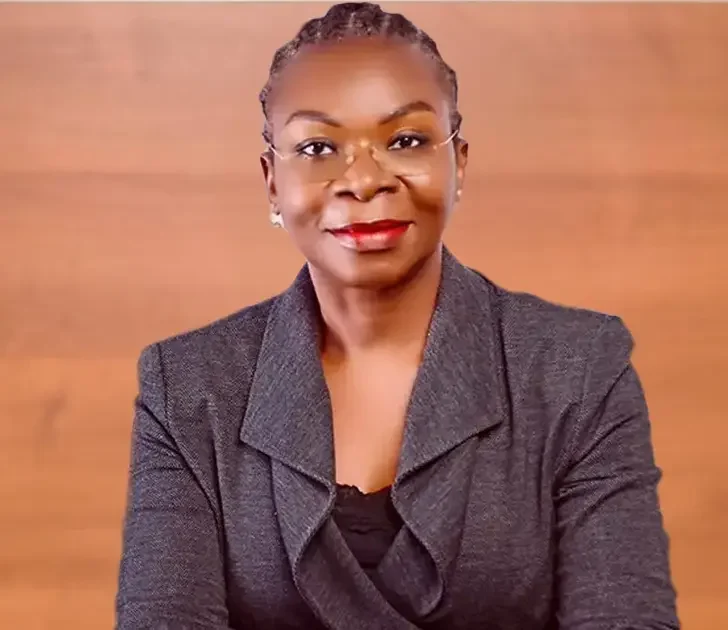
Former President Critiques Regional Support in NBA Elections
Mrs. Boma Alabi (SAN), the former President of the Commonwealth Bar Association, has voiced strong criticism against the trend of regional forums endorsing candidates for the Nigerian Bar Association (NBA) presidency. She argues that this practice is outdated and fosters division, failing to align with the democratic aspirations of the legal community.
In a recent interview focused on the upcoming NBA presidential election, Alabi, who previously held the position of president of the NBA Legal Section (NBA-SLP), advocated for a more transparent electoral process that encourages open competition and universal suffrage.
She pointed out that while community advocacy played a significant role in the past, it has increasingly become influenced by ethnic biases, detracting from the collective interests of lawyers nationwide. Alabi emphasized that the current landscape demands a move away from such divisive practices, stating, “This approach belongs to the Dark Ages, not 2026.”
Alabi firmly dissociated herself from any community groups, arguing that no lawyer should represent a community without its explicit consent. “As a lawyer practicing in Lagos, I do not represent Egbe Amofin, nor does that association represent me. Lawyers across the country should have the freedom to express their choices without being directed by regional blocs,” she asserted.
She cautioned that regional support could undermine the democratic foundations of the NBA by alienating its members and restricting free choice. Alabi insists that at this juncture, open competition and universal suffrage are far more beneficial than localized endorsements.
Regarding the credibility of the forthcoming elections, Alabi underscored the importance of the electronic voting system’s integrity and the transparent selection process for the IT company managing the election. “The credibility of our elections hinges on the chosen IT companies. A lack of transparency in their selection can give rise to suspicion,” she noted, expressing concerns about the procurement process when a service provider lacks proven expertise in secure electronic voting or presents a conflict of interest.
While she recognizes the potential pitfalls, Alabi remains optimistic about modern electronic voting systems, indicating they offer sufficient safeguards against tampering due to their digital footprints that can help uncover fraudulent activities.
Advocating for Universal Suffrage and Independent Elections
Alabi made a strong case for universal suffrage, urging that all lawyers should have the right to vote directly in selecting association leadership. She stated her unwavering support for this principle, arguing that a representative system concentrates power in the hands of a select few, consequently falling short of democratic ideals. Although she acknowledges that implementing universal suffrage may involve more administrative effort, advances in technology are making broader participation both feasible and beneficial.
Commenting on a recent memorandum from the Attorney General’s Office regarding NBA elections, Alabi raised critical questions about the association’s autonomy. She asserts that the NBA, as an independent organization, should maintain complete control over its election processes, addressing transparency concerns internally unless there is compelling evidence of fraud.
Additionally, Alabi dismissed suggestions that the NBA presidency should be limited to Senior Advocates of Nigeria (SAN), referencing a former NBA president who was not a SAN as evidence that effective leadership is rooted in vision and integrity, rather than professional rank. “Restricting the chairmanship to SAN is undemocratic and elitist. Any qualified lawyer should have the opportunity to lead the association,” she stated.
Alabi also advocates for the appointment of the NBA’s first female president, highlighting this as a significant milestone for the legal profession. She acknowledged that while women have made substantial contributions to the bar association, a female president has yet to be elected. Although she contended that competency remains paramount, she argued that gender diversity is a legitimate consideration when qualified female candidates are available, which reflects the progress of the profession and inspires young lawyers.
Reflecting on her early experiences in the legal field, Alabi recalled how, in 1988, colleagues joked about the absence of women in court, calling her a “barman.” She noted the considerable evolution of the profession since that time and expressed her optimism that the NBA is now ready to overcome its historical barriers.
A recognized pioneer in the legal field, Alabi holds the distinction of being the first woman and black person to be elected president of the Commonwealth Bar Association. She has also served as chair of the NBA’s legal section, solidifying her status as one of the most accomplished legal practitioners in Nigeria.
