


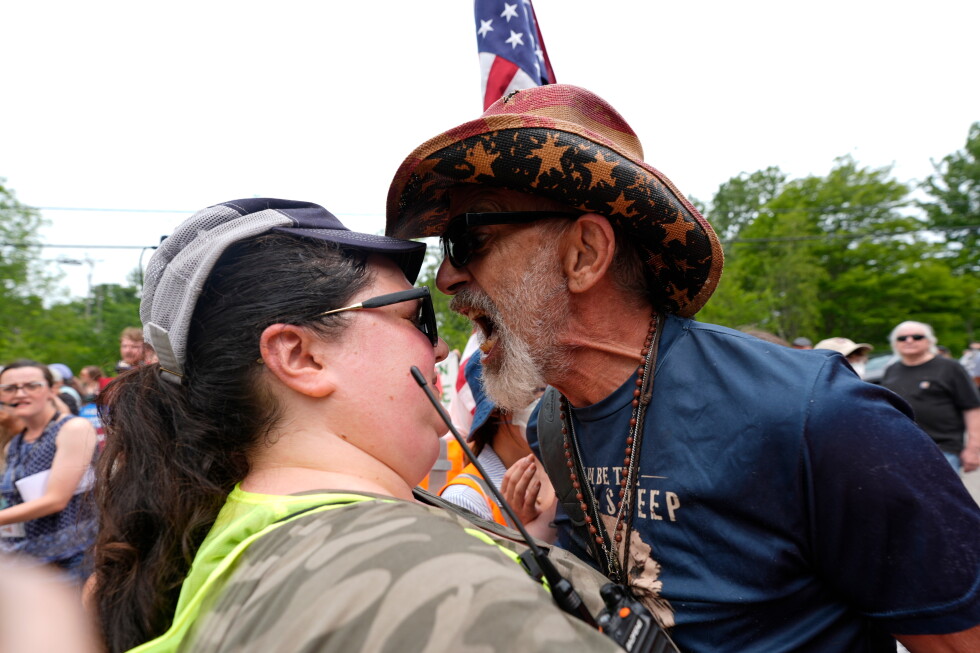
BIDDEFORD, Maine (AP) — Officials from the Trump administration have confirmed a significant policy shift regarding Immigration and Customs Enforcement (ICE) operations, particularly concerning vehicle stops. This decision follows two fatal shootings involving ICE officers, one of which occurred on Monday when a Colombian driver was killed in Maine.
The change comes after an incident where an ICE agent fatally shot a driver, sparking intense scrutiny of enforcement tactics. Critics have voiced their concerns over these methods, notably after a similar shooting last winter that resulted in significant backlash against ICE in Minnesota.
In another troubling incident, a 28-year-old man died during a confrontation with immigration officials in Florida just days ago. Reports indicate he fled from federal agents and was subsequently struck by a tractor-trailer while attempting to escape.
The newly announced moratorium on vehicle stops does allow for exceptions, particularly in coordination with criminal warrants or partner agencies. Matthew Ferring, a spokesperson for Senator Angus King of Maine, stated that his office received confirmation from the Department of Homeland Security regarding this suspension of vehicle stops.
On Tuesday, hundreds of protesters gathered in Maine to express their anger over the recent shootings. The victim, Johan Sebastian Duran Guerrero, 26, was remembered as communities rallied against the violent enforcement actions that resulted in his death.
The Department of Homeland Security (DHS) justified the shootings, claiming officers acted out of fear for public safety. Duran Guerrero was reportedly shot while ICE was surveilling a residence linked to an individual believed to be living in the U.S. illegally. However, discrepancies in accounts regarding the circumstances of the shooting have emerged, complicating the narrative.
The former Colombian President, Gustavo Petro, criticized the shooting as a targeted act by the U.S. government, calling for an explanation from President Trump. The tensions surrounding immigration policy and law enforcement methods have intensified, particularly after protests erupted in Maine, where demonstrators demanded accountability and reform.
Ongoing Investigations and Demands for Transparency
Maine’s congressional delegation is advocating for a thorough and transparent investigation regarding the shooting of Duran Guerrero. This incident marks at least the ninth ICE shooting since the Trump administration began its push for stricter immigration enforcement.
Initial details about the incident have raised numerous questions, particularly regarding the officer’s proximity to the vehicle during the shooting and whether proper procedures were followed. ICE officials have maintained that their tactics are under continuous review but have declined to disclose additional specifics about their operational strategies.
Amid rising tensions, U.S. Senator Susan Collins indicated that the DHS Office of Inspector General is collaborating with the FBI on the investigation. In a politically charged atmosphere, her political opponents are urging reform in the agency’s practices, arguing that drastic changes are necessary to prevent further community violence. Meanwhile, Collins acknowledged the need for improvements at ICE, emphasizing that dismantling the agency could compromise national security.
Community Response and Sympathy for Duran Guerrero’s Family
Witnesses describe a chaotic scene during the shooting, with security footage capturing the moments leading up to the event. Daniel Boucher, a neighbor, recounted hearing gunfire and rushing to the scene, where he found Duran Guerrero injured and covered in blood.
Community members, including local business owners, remember Duran Guerrero fondly, revealing that he was well-known among residents. Advocacy groups like the Maine Immigrant Rights Coalition have publicly expressed their determination to support Guerrero’s family, highlighting that he was allowed to work legally in the U.S. and had left behind a wife and young daughter. The outpouring of grief reflects not just a loss of life, but also a broader unease regarding immigration enforcement practices.
