


Traffic Cone Honored at Boston Logan Airport
A plane arriving from Glasgow received a reception reminiscent of a state visit at Boston Logan International Airport, complete with a bagpiper playing in celebration. Among the distinguished guests welcoming the flight were diplomats, the governor, and Boston’s mayor.
The Significance of the Boston Cone
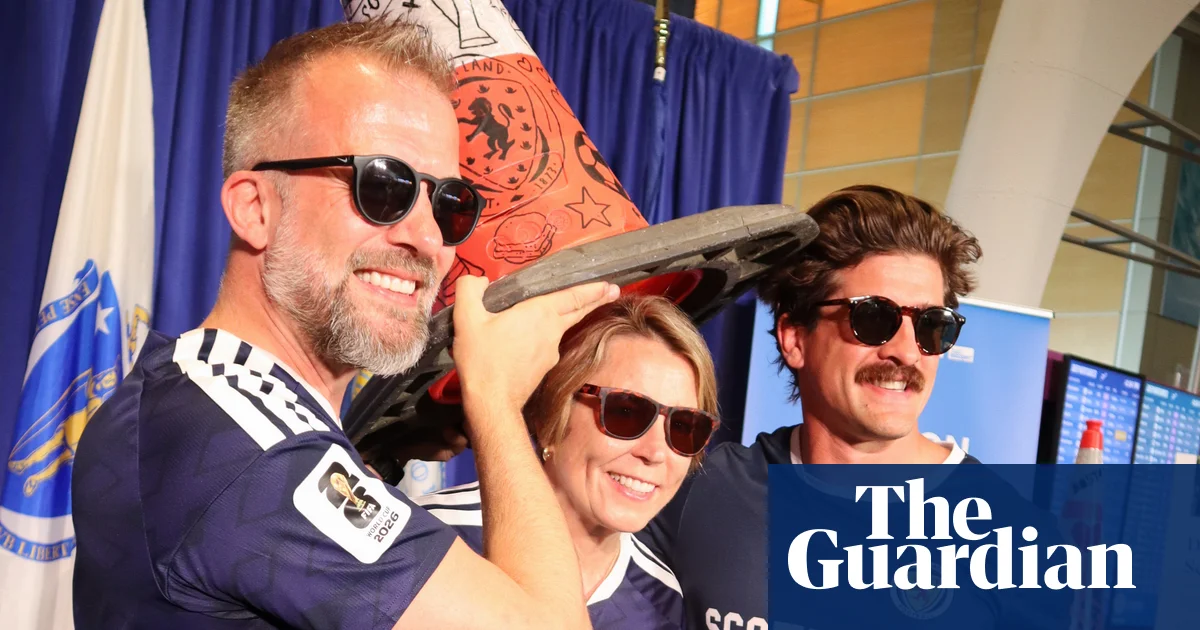
The guest of honor was an unexpected one—a bright orange traffic cone. The arrival of the “Boston Cone” on Tuesday underscores the city’s quirky connection with Scotland’s vibrant football community. Last month’s World Cup saw fans donning traffic cones atop statues across Boston, making this symbol one of the tournament’s most memorable images.
Governor Celebrates the Cone’s Arrival
“I have to admit, this is probably going to be the official welcome ceremony for the traffic cone,” said Massachusetts Governor Maura Healey before signing the cone at Terminal E. She emphasized the cone’s role in reflecting the summer’s events in Boston and Massachusetts.
A Lighthearted Tribute to Scottish Fans
Governor Healey added a humorous note, thanking the Scots for their enthusiastic beer consumption during the World Cup. “When you come back, I promise you’ll never run out of beer again in Massachusetts,” she quipped, highlighting the revelry brought by the visiting fans.
Traffic Cone Tradition Takes Root in Boston
While Scottish fans were in Boston, local bars faced challenges keeping up with their demand for drinks, some needing emergency supplies to quench the thirst of the Tartan Army. Fans transformed parts of the city into a Scottish enclave, filling downtown with music, laughter, and, of course, orange traffic cones perched atop iconic statues including those of Samuel Adams and Celtics coach Red Auerbach.
A Commemorative Cone for Charity
The commemorative traffic cone, adorned with designs celebrating both Boston and Scotland and the phrase “No Boston, No Party,” aims to raise funds for mental health charities as it tours various Massachusetts landmarks before heading back to Scotland next week.
From Prank to Cultural Icon
This playful tradition originates from Glasgow, where it began as a late-night prank in the 1980s. The bright orange cones have since become an unofficial emblem of Scottish humor, particularly evident at the Duke of Wellington statue, which has famously resisted attempts to remove its signature cone.
A Cone with a Deeper Meaning
Reflecting on the cone’s significance, Danny Campbell, one of the cone’s escorts, noted that while it may seem like a lighthearted joke, it embodies something more profound. He remarked that amidst the hustle of daily life, the Scottish fans reminded everyone of the importance of joy, laughter, and building friendships.
“This is more than just a silly cone,” Campbell declared. “It represents love—it’s love that truly matters.” The celebration of the “Boston Cone” highlights not only the city’s unique relationship with football culture but also the spirit of community and camaraderie it has fostered.
