


African Universities Leverage AI to Combat Air Pollution
African universities are increasingly adopting artificial intelligence (AI) and affordable sensing technologies to address air pollution, one of the continent’s most pressing public health challenges.
AirQo Initiative at Makerere University
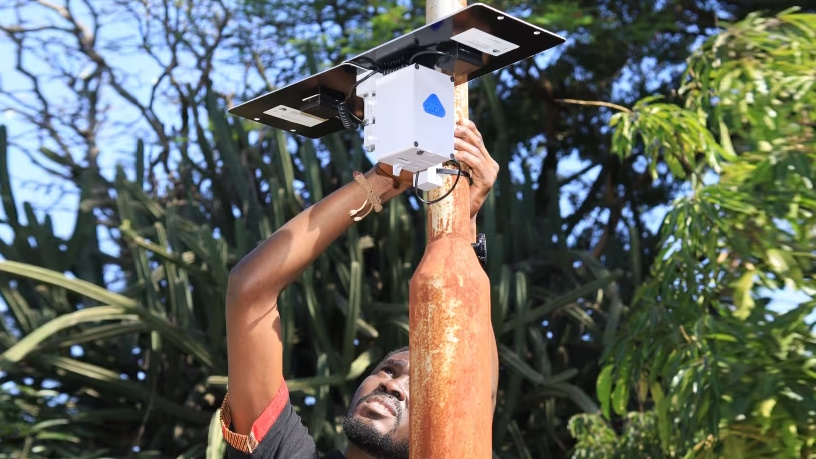
At the forefront of this movement is AirQo, a research initiative based at Makerere University in Uganda. This project integrates AI algorithms, weather data, and low-cost air quality sensors to enhance pollution monitoring and mitigate significant environmental data shortages.
Expanding Reach Across the Continent
AirQo is collaborating with authorities in 24 African nations, including Kenya, Mozambique, Senegal, Nigeria, Cameroon, Ghana, and South Africa. The initiative aims to deliver precise, hyperlocal, real-time air quality data, thereby supporting evidence-based decision-making and enabling governments to better understand the extent of air pollution in urban areas.
The Human Cost of Air Pollution
In an interview with ITWeb Africa during the Africa Clean Air Forum in Pretoria, Professor Bynomugisha, head of Makerere University’s computer science department and leader of the AirQo project, highlighted the dire implications of air pollution in Africa. He noted that the continent loses approximately one million lives each year due to poor air quality, a crisis that often goes unnoticed in numerous cities.
The Role of Households in Air Quality Issues
Moreover, household air pollution is responsible for over 680,000 premature deaths annually in sub-Saharan Africa, primarily as many families continue to use solid fuels for cooking and heating, according to Clean Air Africa, a global health research organization.
Universities as Catalysts for Innovation
Professor Bynomugisha remarked that universities are ideally positioned to craft technology-driven responses to major socio-economic challenges. He stated, “The university is well placed to look at the intersection of knowledge, innovation, and community issues.” With pressing issues like air pollution at hand, the focus is on leveraging technology and innovation to effect change.
Developing Accessible Solutions
AirQo’s sensors are created within university labs, as traditional air quality monitoring systems are often too expensive and not widely available across various African nations. Consequently, policymakers frequently find themselves without reliable data on the scale and consequences of air pollution. “Technology is enabling us to accelerate progress and overcome barriers such as cost and capacity,” he added.
Making Data User-Friendly
A key advancement from this initiative is the conversion of intricate environmental data into clear, actionable insights. AirQo is working on a digital platform that will change raw data into simple, comprehensible information, allowing users to access air quality metrics via their mobile phones while understanding associated health risks. Furthermore, the project is exploring how AI can relay air quality data in local languages through voice-based systems, enhancing accessibility for individuals with limited literacy.
The Need for Comprehensive Solutions
While governments across Africa are starting to recognize the possibilities offered by technologies like low-cost sensors, AI, and cloud infrastructures, their application often remains inconsistent and limited in scale. Bynomugisha suggests that solutions like electric vehicles, cleaner cooking methods, and diversified energy sources could significantly enhance air quality. Nonetheless, obstacles such as affordability, accessibility, and the requisite infrastructure hinder broader adoption. He emphasized the need for governmental support to reduce costs, improve access, and ensure sustainable long-term implementation.
Addressing Accessibility Challenges
Bynomugisha reflected on the challenges surrounding access to electric vehicles: “If someone wants to buy an electric car, can they find it? That’s another question. They don’t have access to it. Even if they do, is it affordable? And if it is affordable, is it sustainable? The government can play a vital role in addressing these issues.”
