


Economic Crisis Deepens in Nigeria
Nigeria is experiencing one of its most challenging crises in recent memory. For many citizens, current conditions reflect a disheartening reality characterized by hardship and despair. The struggles faced by Nigerians seem insurmountable, leading many to question their futures in a country they once had hope for.
Political Promises and the Reality of Governance
The truths about Nigeria’s present situation are increasingly difficult to ignore. The political rhetoric surrounding promises from the ruling class is often starkly opposed to the lived experiences of the populace. The time for accepting misleading narratives is over; Nigerians have become more discerning, and they will no longer be swayed by empty words from political commentators or leaders.
Protests Erupt Over Dire Living Conditions
Just last week, residents of Minna in Niger State took to the streets to voice their frustration against ongoing torment from their local representatives. This collective outcry illustrates a deep-seated anger regarding the deteriorating living conditions in Nigeria, as essential resources become increasingly scarce. The daily struggle against high living costs and food insecurity paints a grim picture of life in the country.
Historical Context of Food Politics
Reflecting on past events, a recent article revisited the crucial role of food in Nigerian politics. This retrospective shines a light on an ongoing issue: policymakers often fail to engage meaningfully with agricultural production, exacerbating food shortages and high prices. If leaders had heeded past advice, the current crisis might have been avoided. The specter of hunger now looms larger than ever in Nigeria, highlighting the divergence between political promises and the stark realities faced by everyday citizens.
The Rise of Food Insecurity
While hunger has always been a challenge in Nigeria, the severity of the current situation is unprecedented. Many citizens are now questioning the effectiveness of food distribution systems purportedly established by political leaders. The lack of tangible results from these initiatives underscores the disillusionment felt by the populace, as they find themselves confronting a famine that was entirely preventable.
High Costs of Living and the Strain on Households
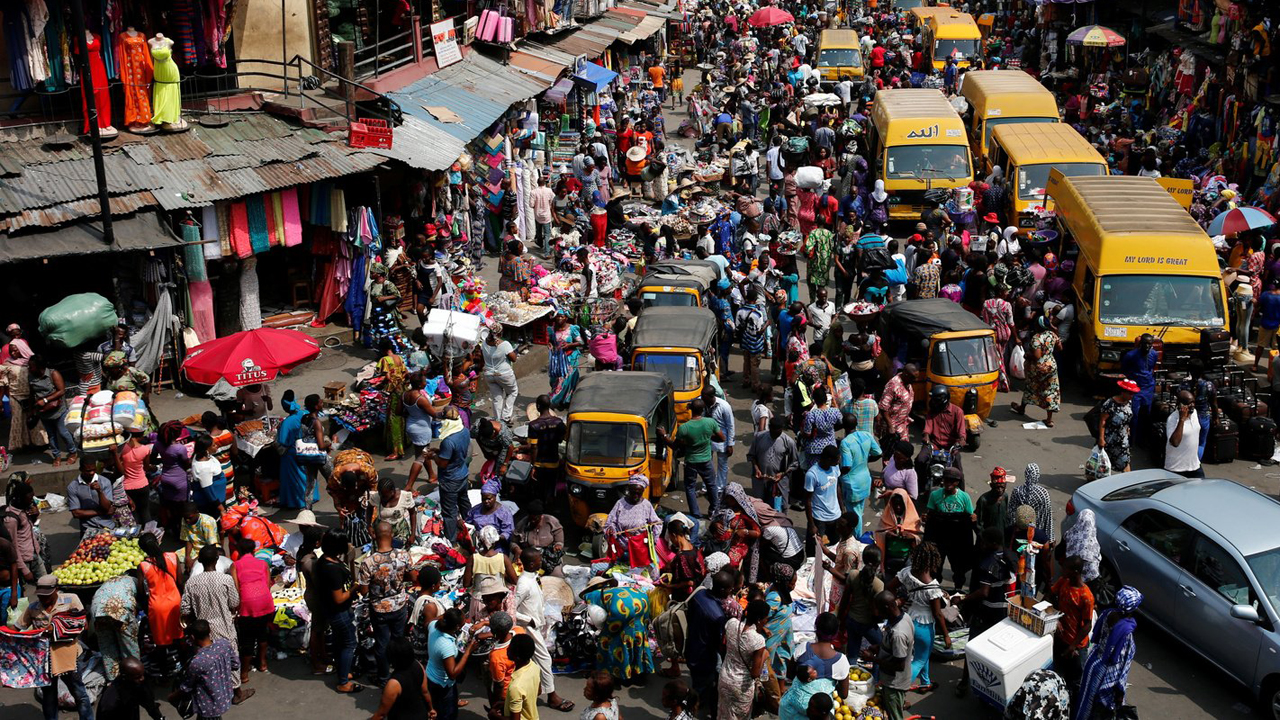
The increasing costs of basic food items reflect a broader economic malaise affecting Nigeria. A recent personal experience underscored the harsh realities many families face today. A simple meal of jollof rice, which once cost a fraction of its current price, is now unaffordable for many. This alarming rise in food prices has left families struggling to meet their basic nutritional needs amidst overcrowded markets and dwindling resources.
Call for Political Accountability
President Tinubu’s administration is under scrutiny as citizens demand more than just promises; they seek actionable solutions to the pressing food crisis. The prevailing sentiment is one of skepticism toward government priorities, which appear disconnected from the pressing needs of the population. As calls for accountability grow louder, how the administration responds will be pivotal in determining public perception and trust in future governance.
