


Johannesburg Stock Exchange Unveils Africa Tech 50 Index
The Johannesburg Stock Exchange (JSE) has introduced the Africa Tech 50 Index, marking a significant milestone in its initiative to enhance the visibility, standardization, and accessibility of some of Africa’s largest private technology companies.
Originally launched in London in January, the index made its African debut this week in Johannesburg. Unlike traditional indices such as the JSE Top 40—comprised purely of listed firms—Africa Tech 50 specifically targets the continent’s 50 largest private tech firms. This distinction is key, as it focuses on businesses that are stepping beyond early venture capital stages and progressing towards initial public offerings, acquisitions, or long-term external financing.
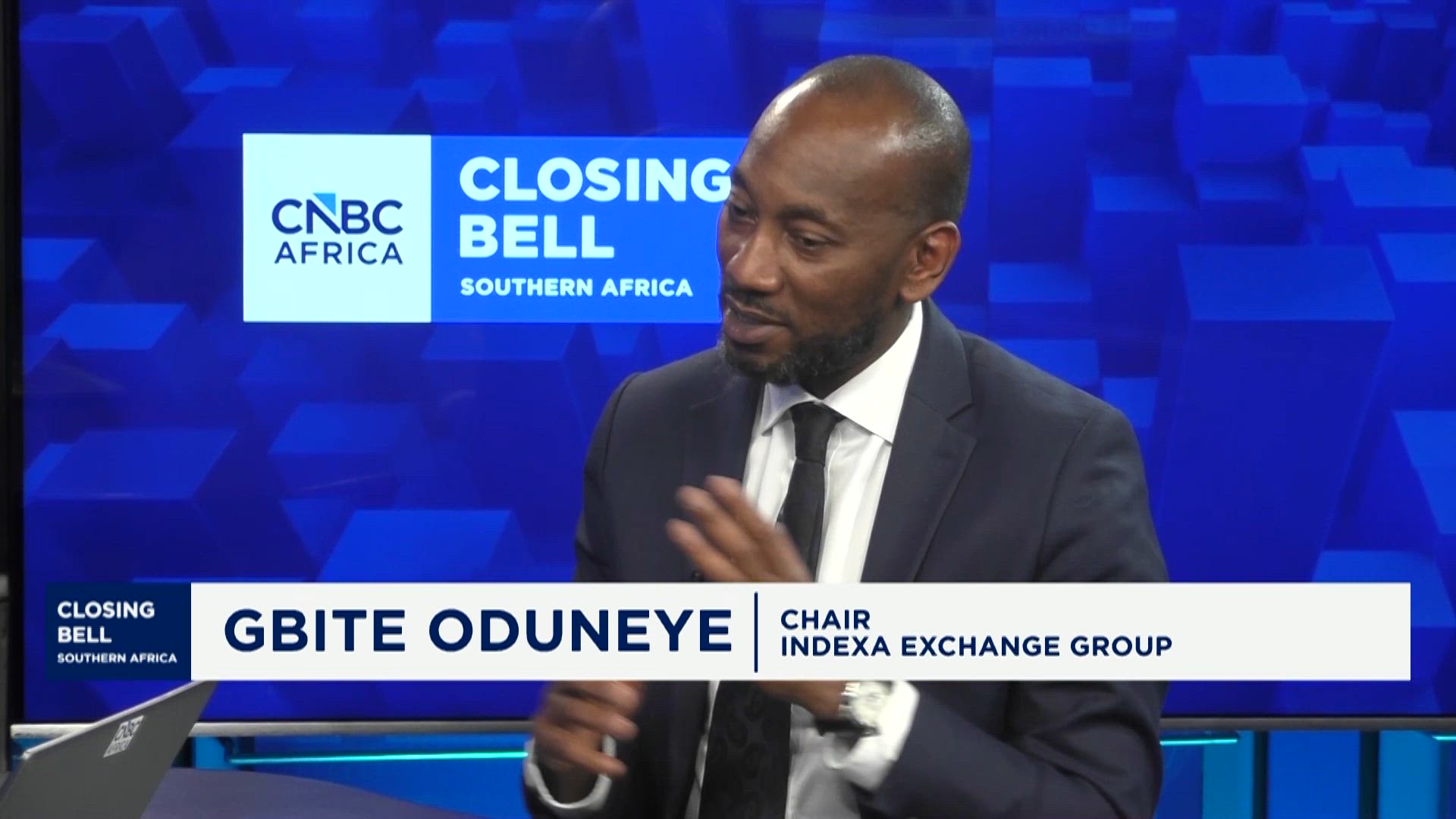
Kebile Odune, chairman of Indexa Exchange Group, highlighted during an interview with CNBC Africa that the goal of the index is to present Africa’s most promising private technology firms—those ready for initial public offerings or seeking market exposure—to global investors and investment banks.
The launch event gathered a diverse group of capital market stakeholders, marking Africa’s first step towards broader continental expansion. Following Johannesburg, the initiative plans to extend to the Egyptian Exchange, with future launches in Nairobi and Nigeria, and aspirations for international visibility on platforms like Euronext Paris and Nasdaq.
Many African tech companies have remained private for extended periods, even as they achieve business valuations that previously would have warranted public listings. As Odune noted, venture capital forms a minor fraction of global investment, and greater institutional funding could be accessible if companies adhere to the disclosure, governance, and reporting standards favored by later-stage investors.
This is where the Africa Tech 50 Index plays a critical role. By offering a structured framework that mirrors public market dynamics, the index aims to provide investors a standardized approach to evaluating businesses that typically resist easy comparison. Odune emphasized that the index adopts a structured methodology and governance process, including contributions from the Capital Markets Preparation Council, the Index Committee, and an independent secretariat.
The methodology adheres to international standards, assessing companies across six key pillars to identify factors influencing public market valuations. Although private firms do not disclose information as frequently or comprehensively as their publicly traded counterparts, the index aims to enhance transparency by linking disclosure requirements to access to a broader pool of institutional capital.
Odune explained that capital flows to recognized opportunities, suggesting that enhanced visibility and standardized benchmarks could unlock new fundraising avenues for Africa’s fastest-growing tech firms. Currently, the index comprises 11 South African companies, including notable names such as Yoco and TymeBank, as well as pan-African businesses like Flutterwave that have piqued investor interest.
Benchmarks such as this are dynamic. Companies that go public or are acquired will exit the index, affirming its identity as a primarily private market index. These firms are expected to be replaced by others from the broader Africa Tech 1000 universe, creating a structure aimed at keeping the index relevant. The first rebalancing is scheduled for this quarter, which will see two firms exit and two new entrants joining the ranks.
This index could serve as a crucial pipeline for future listings on stock exchanges. Companies included in the index are positioned to potentially enter domestic markets, while investment banks and brokers gain access to a curated pool of candidates for trading and advisory services. Following its London launch, Indexa swiftly initiated discussions with a major African bank regarding a $500 million exchange-traded fund targeting private tech companies. While Odune noted that independent benchmarks can guide financial institutions in creating investable products, the influence of the index cannot be overlooked.
The Africa Tech 50 Index addresses a long-standing challenge in African capital markets: the gap between startup financing and mainstream institutional investment. Many leading tech firms have successfully secured seed and growth capital but now face the need for stronger governance, consistent returns, and transparent communication, both positive and negative.
It’s important to note that inclusion in the Africa Tech 50 does not guarantee a public listing. Odune emphasized that readiness for public markets varies among companies; some might pursue acquisitions while others may remain private for longer. The broader goal of the index is to foster behavioral and financial improvements in governance and reporting practices, ultimately increasing companies’ long-term investment potential.
This focus is especially pertinent in Africa, where founders often deliberate between listing domestically or in financial centers like London or New York. Strengthening the national and regional capital markets ecosystem is essential, and Indexa aims to achieve this by establishing a continental benchmark that can be adopted across various exchanges in Africa.
Preliminary signs indicate a positive response from investors. Odune reported increasing institutional demand for access to high-growth private companies, particularly as these companies continue to remain private. If this trend holds, the JSE’s launch of the Africa Tech 50 may signify more than a mere ceremonial occasion. It could represent a pivotal test of whether Africa’s private tech sector can transition into a more visible, quantifiable, and ultimately investable asset class for global capital.
