


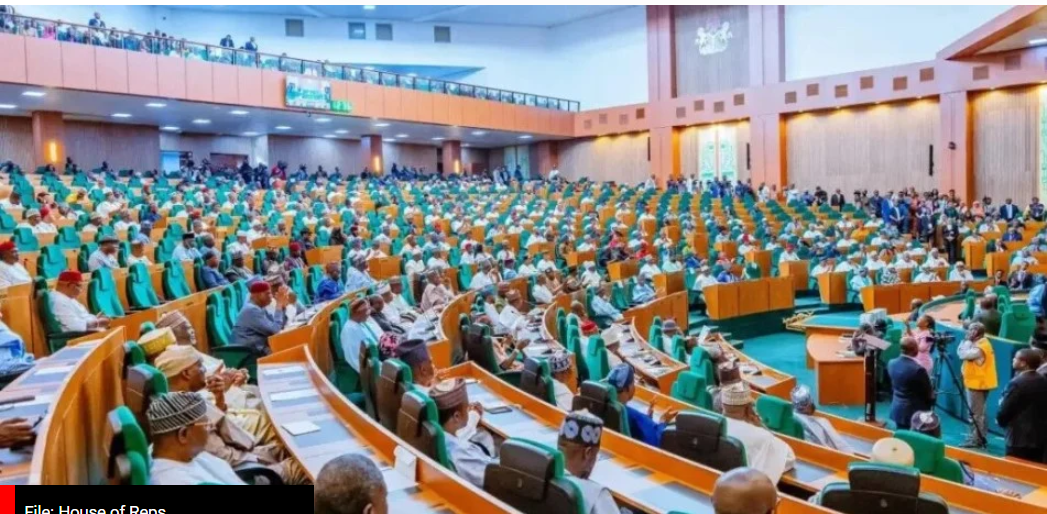
House Committee Demands Clarity on R34 Trillion Import Duty Exemptions
The House Committee on Finance has requested a detailed account of the R34 trillion in import duty exemptions granted in 2025. The Nigeria Customs Service (NCS) has been directed to disclose the beneficiaries of these exemptions, the legal grounds for the concessions, and the specific goals these incentives aim to achieve.
Oversight Dialogue with Customs Authorities
This directive emerged during a dialogue session with the Administrator of the Nigeria Customs Service, which was part of Parliament’s ongoing oversight efforts to enhance transparency and fiscal accountability within the revenue agency.
Committee Chairman Calls for Full Disclosure
Chairman Hon. James Abiodun Faleke emphasized that while the committee supports the government’s policy of granting import duty exemptions when warranted, full transparency is crucial. This information would allow lawmakers to evaluate whether the extent of these concessions aligns with the nation’s economic objectives.
Incentives and Economic Growth
Faleke expressed a keen interest in understanding who benefits from these exemptions and whether the incentives indeed foster the intended economic outcomes. He noted, “Exemptions can be beneficial, especially for sectors like healthcare and agriculture, but transparency regarding the beneficiaries and objectives is essential.”
Concerns Over Revenue Reporting Discrepancies
In addition to discussing the exemption framework, the committee questioned customs authorities about inconsistencies in their revenue reporting, despite surpassing annual revenue targets consistently. Although Faleke acknowledged the agency’s successful collections, he insisted that the financial records shared with lawmakers did not sufficiently detail the fluctuations in monthly revenue and the sources of excess revenue.
Revenue Performance and Target Setting
Committee Vice-Chairman Hon. Saidu Mohamed Abdullahi suggested that the federal government should consider establishing more ambitious revenue targets for the Customs Department, highlighting its consistent overachievement. “I believe they can outperform the goals we set for them,” he noted, citing their impressive track record in surpassing revenue targets.
Customs Service’s Role Defined
Kikelomo Adeola, the Deputy Inspector General for Finance, Administrative, and Technical Services, clarified that the Nigeria Customs Service does not solely approve import duty exemptions. Instead, it implements the approvals granted by the Federal Ministry of Finance, in line with established laws and policies. Adeola emphasized the importance of developing inland dry ports to alleviate congestion at established ports and expedite cargo clearance.
Corporate Affairs Commission Under Scrutiny
The committee also scrutinized the Corporate Affairs Commission (CAC), directing it to submit comprehensive records of all registered companies and their operations in Nigeria, including registration fees. Lawmakers expressed concern over the CAC’s failure to submit audited financial statements to the Fiscal Responsibility Committee (FRC) since 2019, mandating a prompt reconciliation of records.
Outstanding Debt and Future Collaborations
During the hearing, a representative from the Fiscal Responsibility Committee reported that the Corporate Affairs Commission owes ₦13.99 billion to the Federal Government in unpaid operating surplus accumulated over several years. Responding, the Executive Director of the CAC indicated that coordination with the FRC has already commenced, with an agreed repayment plan of ₦500 million quarterly to address the debt.
Strengthening Fiscal Discipline with Oversight Initiatives
This hearing was part of the House Finance Committee’s broader initiative to enhance oversight of revenue-generating agencies in a bid to improve transparency, reinforce fiscal discipline, and ensure that public revenues and tax incentives comply with legal mandates, ultimately serving the national interest.
